



Mega Doctor News


EDINBURG, Texas – As a new school year begins, the Injury Prevention Division at the DHR Health Level I Trauma Center is urging parents, students, and drivers to prioritize safety on the roads and around school zones. With increased pedestrian activity near campuses across the region, the risk of preventable injuries also rises.
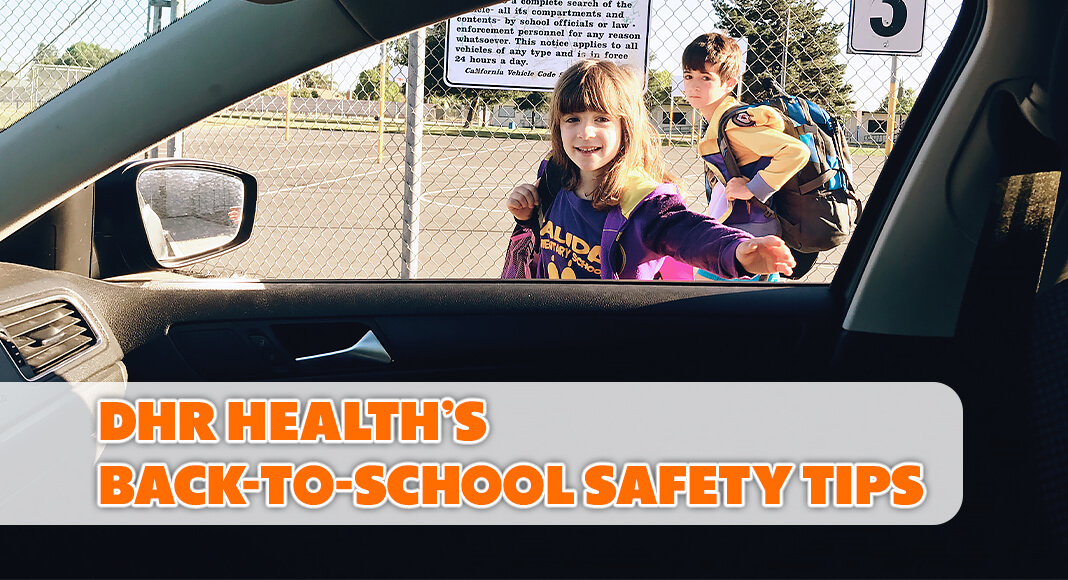
To help protect students and reduce accidents during the back-to-school season, the Injury Prevention Division is sharing safety tips for pedestrians, drivers, and families. Students are encouraged to always use crosswalks and sidewalks, avoid jaywalking, and look both ways before crossing the street. Children should remain alert while walking by removing headphones, staying off phones, and wearing bright or reflective clothing to improve visibility. When exiting vehicles, children need to carefully be mindful of passing vehicles and remember to exit on the side of the curb.
Drivers are also reminded to stay focused and avoid distractions. Texting while driving is not only dangerous but also illegal in many areas, so phones should be put away while behind the wheel. Motorists must obey all school zone speed limits (normally much slower than surrounding roads) and traffic signs, and never pass a stopped school bus with flashing lights, as doing so is a serious violation of the law. Extra caution should be taken near intersections, crosswalks, and bus stops, where children are likely to be present.

Families are also encouraged to take general safety precautions. This includes ensuring that a child’s emergency contact and medical information is current with their school, teaching children to walk in groups and avoid strangers. Students who bike to school should always wear helmets, obey traffic signals, and walk their bikes when crossing streets. Practicing situational awareness is key—if you see something, say something. Students should not take rides from people they do not know.
To support community-wide safety efforts, the Injury Prevention Division is partnering with local schools, law enforcement agencies, and community organizations to distribute educational materials and increase public awareness. As part of these efforts, increased law enforcement presence may be seen in designated school zones during peak times.
“At the DHR Health Level I Trauma Center, we’re calling on the entire community to take simple but effective steps to ensure every child, teacher, and administrator gets to and from school safely,” said Dr. Jeffrey Skubic, Medical Director of the DHR Health Level I Trauma Center. “It only takes a moment of distraction or a split-second decision to cause a lifetime of consequences for someone else’s family, or yours. Let’s work together to protect our children and make this school year a safe one.”
For additional safety resources, call DHR Health Level I Trauma Center’s Injury Prevention Division at (956) 362-6285.