




Mega Doctor News
By George Washington University
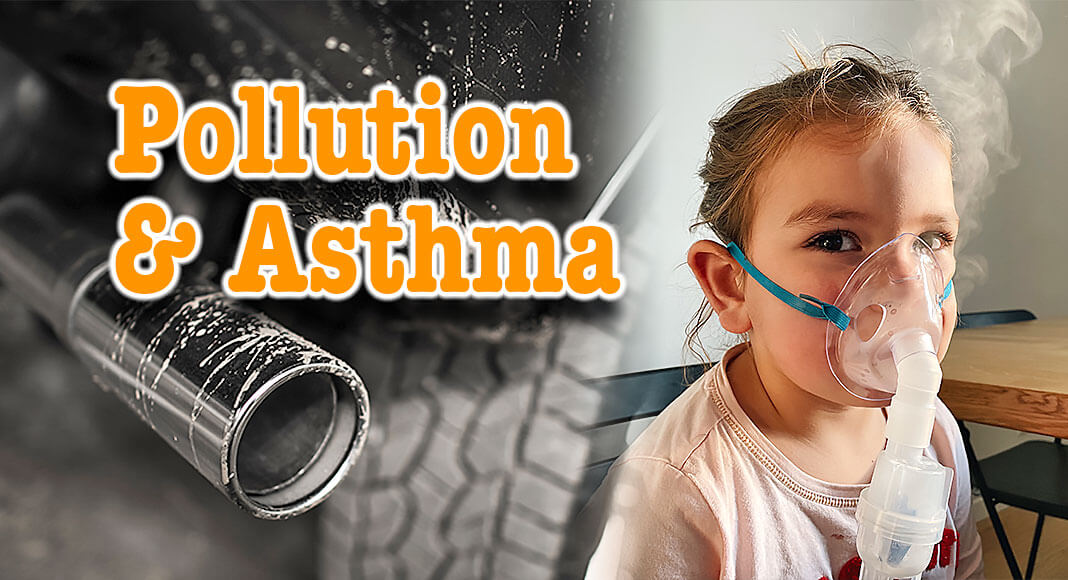
Newswise — WASHINGTON — Nearly 2 million new cases of pediatric asthma every year may be caused by a traffic-related air pollutant, a problem particularly important in big cities around the world, according to a new study published today. The study is the first to estimate the burden of pediatric asthma cases caused by this pollutant in more than 13,000 cities from Los Angeles to Mumbai.
“Our study found that nitrogen dioxide puts children at risk of developing asthma and the problem is especially acute in urban areas,” Susan Anenberg, a co-lead author of the article and a professor of environmental and occupational health at the George Washington University, said. “The findings suggest that clean air must be a critical part of strategies aimed at keeping children healthy.”


Anenberg and her colleagues studied ground concentrations of nitrogen dioxide, or NO2, a pollutant that comes from tailpipe vehicle emissions, power plants and industrial sites. They also tracked new cases of asthma that developed in children from 2000 until 2019. Asthma is a chronic illness that causes inflammation of the lung’s airways.
Here are some key findings from the study:
- Out of the estimated 1.85 million new pediatric asthma cases attributed to NO2 globally in 2019, two-thirds occurred in urban areas.
- The fraction of pediatric asthma cases linked to NO2 in urban areas dropped recently, probably due to tougher clean air regulations put in place by higher income countries like the United States.
- Despite the improvements in air quality in Europe and the U.S., dirty air, and particularly NO2 pollution, has been rising in South Asia, Sub-Saharan African and the Middle East.
- Pediatric asthma cases linked to NO2 pollution represent a large public health burden for South Asia and Sub-Saharan Africa.
A previous study by the GW researchers found that NO2 was linked with about 13% of the global pediatric burden of asthma and up to 50% of the asthma cases in the most populated 250 cities worldwide.
Overall, the fraction of pediatric asthma cases linked to NO2 declined from 20% in 2000 to 16% in 2019. That good news means that cleaner air in Europe and parts of the U.S. have resulted in big health benefits for children, especially those living in neighborhoods near busy roadways and industrial sites.
Much more needs to be done, both in higher income countries and in parts of the world still struggling to curb harmful emissions from vehicles and other sources of NO2, the researchers conclude.
A second study by Veronica Southerland at GW, Anenberg and their colleagues finds that 1.8 million excess deaths can be linked to urban air pollution in 2019 alone. This modeling study shows that 86% of adults and children living in cities around the world are exposed to a level of fine particulate matter that exceeds the guidelines set by the World Health Organization.
“Reducing fossil fuel-powered transportation can help children and adults breathe easier and may pay big health dividends, such as fewer cases of pediatric asthma and excess deaths,” Anenberg said. “At the same time, it would also reduce greenhouse gas emissions, leading to a healthier climate.”
Both studies appear Jan. 5 in the Lancet Planetary Health.