








Three Ways to Prevent Head & Neck Cancer

Translate to Spanish or other 102 languages!

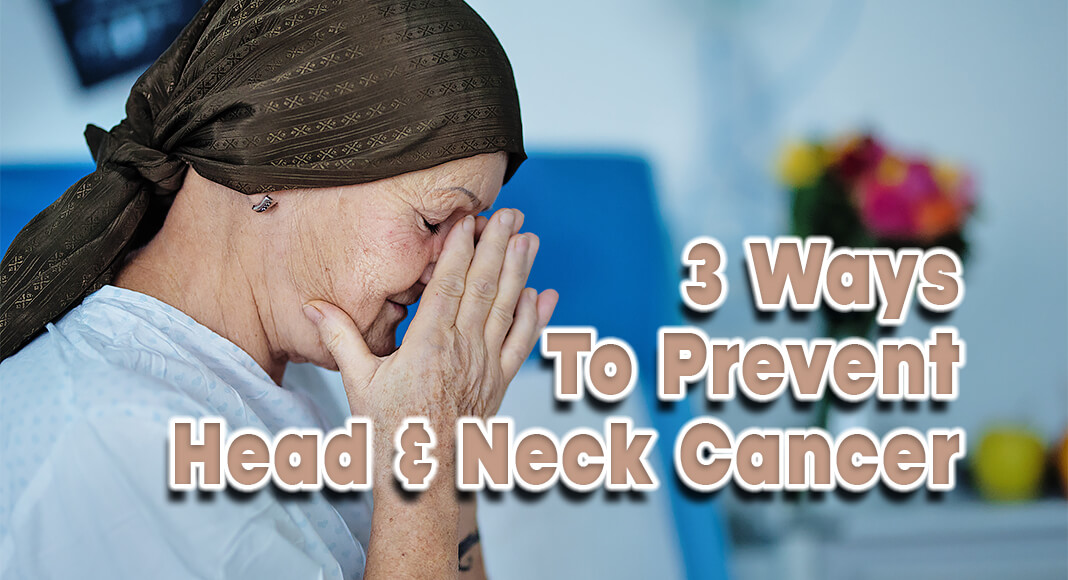
Throat cancer is one of the fastest-growing cancers, and it is often linked to human papillomavirus (HPV). Oropharyngeal cancer, or throat cancer, is a type of head and neck cancer that can be divided into two subgroups: HPV-associated cancers and non-HPV-associated cancers. And depending on the type of subgroup, they are treated differently.  Image for illustration purposes
- Advertisement -

By Mayo Clinic

NEWSWISE – ROCHESTER, Minnesota — Throat cancer is one of the fastest-growing cancers, and it is often linked to human papillomavirus (HPV). Oropharyngeal cancer, or throat cancer, is a type of head and neck cancer that can be divided into two subgroups: HPV-associated cancers and non-HPV-associated cancers. And depending on the type of subgroup, they are treated differently.  

Katharine Price, M.D., a medical oncologist with the Mayo Clinic Comprehensive Cancer Center in Rochester, says there are three ways to reduce your risks and help prevent head and neck cancer. 

- Advertisement -

Tobacco and alcohol use increase the risk of non-HPV tumors, while HPV is responsible for about 70% of head and neck cancers. 

“What’s important about that is they have different biology and are much more treatable, meaning they respond better to treatments and tend to have a higher cure rate. We’re sort of treating those differently than how we treat some of the non-HPV cancers,” Dr. Price says. 

Surgery, radiation and chemotherapy are all treatment options, but Dr. Price says it is better to reduce the risks of infection. 

“The big three: no smoking tobacco use, minimizing alcohol and then HPV vaccination,” she says. 

- Advertisement -

“We know that smoking and alcohol are big risk factors for head and neck cancer if you do both. This increases your risk even more,” Dr. Price says. 

And she encourages eating a healthy diet. 

“We really should be striving to have a good whole-food diet, trying to minimize eating processed foods and refined sugars,” Dr. Price says. 

- Advertisement -
- Advertisement -

- Advertisement -

More Articles

Vital Hydration Tips for Student-Athletes This Fall

Whether it’s two-a-days for football or another fall sport, student athletes need to make sure they’re staying hydrated. 

DHR Health Launches Support Group for Heart Health and Healing

If you have undergone open-heart surgery and are looking to connect with others who understand the recovery journey, the DHR Health Cardiac and Open-Heart Support Group invites you to attend its monthly meetings.

Mayo Clinic Q&A: Heartburn or heart attack? How to tell the difference

Many people worry that heartburn-like symptoms could be a heart attack — and that concern is understandable.

AI-Powered Blood Test Successfully Detects Liver Cancer

Researchers at the Johns Hopkins Kimmel Cancer Center validated an artificial intelligence (AI)-powered blood test that accurately detected liver cancer in people from two geographically and biologically distinct populations and also uncovered the underlying biological signals that make the test effective.
- Advertisement -

