








Mega Doctor News
Mega Doctor News
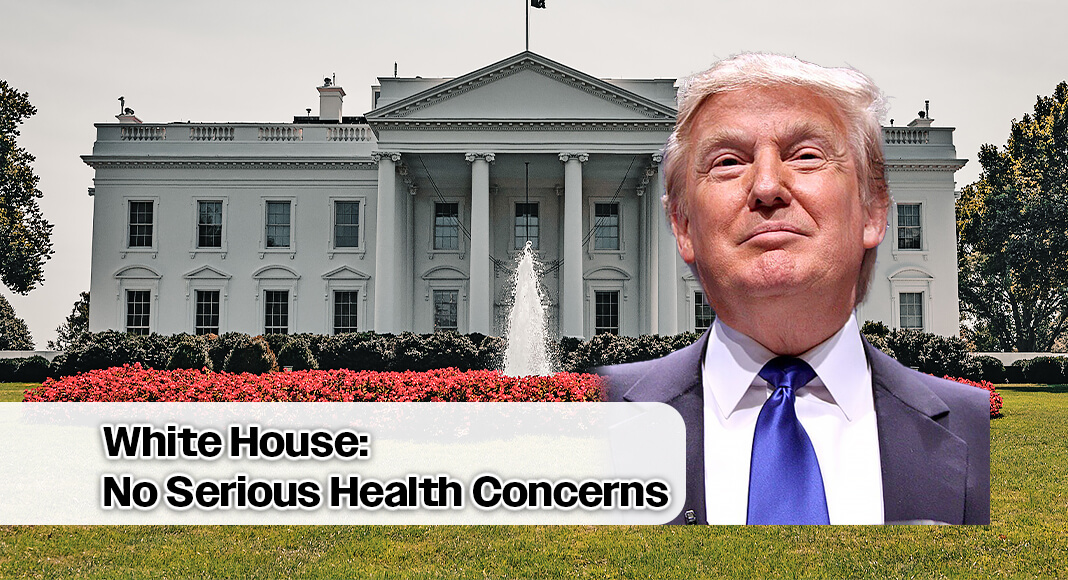
President Donald Trump has been diagnosed with chronic venous insufficiency, a common vascular condition that affects blood flow in the legs. The announcement came Thursday, July 17, 2025, during a briefing by White House Press Secretary Karoline Leavitt.
“President Trump recently noticed mild swelling in his lower legs and sought medical evaluation out of an abundance of caution,” Leavitt stated. She explained that the former president underwent a series of vascular assessments, including Doppler ultrasounds, to determine the cause of the swelling.

The tests confirmed that Trump is experiencing chronic venous insufficiency, a condition in which the valves in the veins of the legs are unable to return blood efficiently to the heart, leading to fluid buildup and swelling. “This is a benign and manageable condition, frequently seen in older adults, particularly those over 70,” Leavitt said. “It is not life-threatening and does not impact his ability to travel, speak, or lead.”
According to the White House medical team, Trump’s diagnosis followed the exclusion of more serious conditions. “The president has tested negative for deep vein thrombosis, arterial disease, heart failure, and kidney dysfunction,” Leavitt reported. “His cardiovascular and renal health remain excellent.”
Chronic venous insufficiency affects approximately 5 percent of adults and is characterized by symptoms such as leg swelling, discoloration, and in some cases, skin ulcers. It is typically managed with compression garments, leg elevation, and lifestyle adjustments.
“President Trump is not experiencing discomfort and remains in excellent overall health,” Leavitt assured reporters. “His energy and daily activity level are unchanged, and he continues to fulfill his schedule without restriction.”
The announcement followed recent public speculation after photographs circulated online showing swelling in Trump’s lower legs during a campaign appearance. When asked about these concerns, Leavitt responded, “Out of transparency and care for public interest, we wanted to provide full clarity regarding the former president’s health.”
At this time, no additional medical interventions are planned beyond routine monitoring. “The president will continue to be evaluated regularly, as is standard for someone of his age and stature,” Leavitt added.
The White House emphasized that the condition poses no current health risk and does not interfere with Trump’s ongoing political activities.


