








The Surprising Ways Magnesium Supports Sleep, Muscles, and Digestion

Translate to Spanish or other 102 languages!

We’ve heard a lot about protein and creatine lately, and now it seems like magnesium is growing in popularity too – and for good reason. Image for illustration purposes
- Advertisement -

CLEVELAND CLINIC – We’ve heard a lot about protein and creatine lately, and now it seems like magnesium is growing in popularity too – and for good reason. 

As Julia Zumpano, RD, a registered dietitian with Cleveland Clinic explains, the mineral offers many health benefits.  

“It’s responsible for over 300 enzymatic reactions in our body. So, it’s essential and it really does help support the body in so many ways. It can help with sleep and relaxation. It can help with bowel regulation. It can help with muscle contractions,” said Zumpano.

- Advertisement -

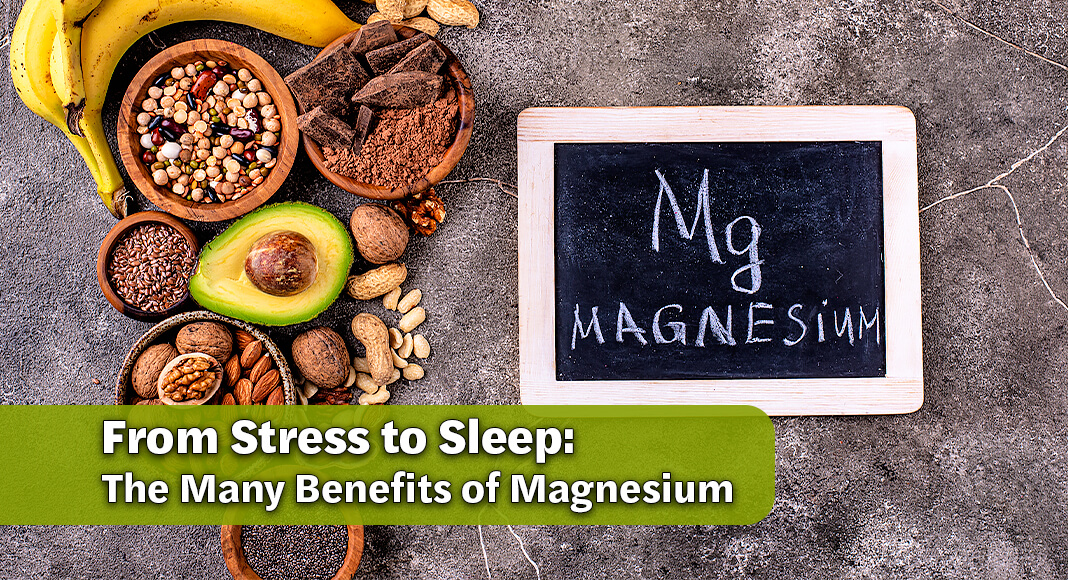
Zumpano said magnesium can be found in foods like nuts, leafy greens, beans, whole grains and even dark chocolate. 

If a person is eating those foods on a regular basis, then they are probably meeting their magnesium needs. 

However, studies show that’s often not the case. 

A majority of Americans are not eating enough foods with magnesium, which is where a magnesium supplement may be helpful. 

- Advertisement -

Zumpano notes that there are different forms of magnesium, so it’s important to know which one is right for you. 

Magnesium glycinate, for example, is best used for stress, sleep, muscle relaxation and cognitive function. 

“The form that’s most often recommended is magnesium glycinate because it’s absorbed and utilized best by the body. Magnesium citrate is commonly used for constipation. So, if you’re using it for that purpose alone, magnesium citrate is probably the better way to go. If you’re using it in an overall supplemental standpoint, on a daily basis and to aid with sleep, the glycinate is the way to go,” she said.

She adds that dietary supplements are not regulated by the FDA, so be sure to only buy reputable brands that have been third-party tested.

- Advertisement -
- Advertisement -

- Advertisement -

More Articles

How Heart Arrhythmia Impacts the Brain

An irregular heartbeat, or arrhythmia, leads to inefficient pumping of blood by the heart, which then prevents blood and oxygen from getting to the body’s other organs. When blood and oxygen flow poorly to the brain, the risk of stroke and cognitive decline increases. 

AI Breakthrough Offers New Hope for Early Dementia Diagnosis

Alzheimer’s disease and related dementias are expected to more than double by 2060. As June marks Alzheimer’s and Brain Awareness Month, three University of Florida researchers are working to improve clinicians’ ability to distinguish between these diseases — a critical step toward earlier diagnosis and better outcomes. 

STHS Webinar Dedicated to Spine Health, June 16th

Spine health plays a vital role in overall wellness, mobility and quality of life. A healthy spine is the backbone of a healthier, more active life, supporting proper posture, balance and movement while protecting the nervous system.

Texas Launches $10M Push for Rural Pediatric Telemedicine

The Health and Human Services Commission (HHSC) is making $10 million in grant funding available for eligible rural hospitals and rural health clinics to provide pediatric telemedicine services.
- Advertisement -

