



Mega Doctor News

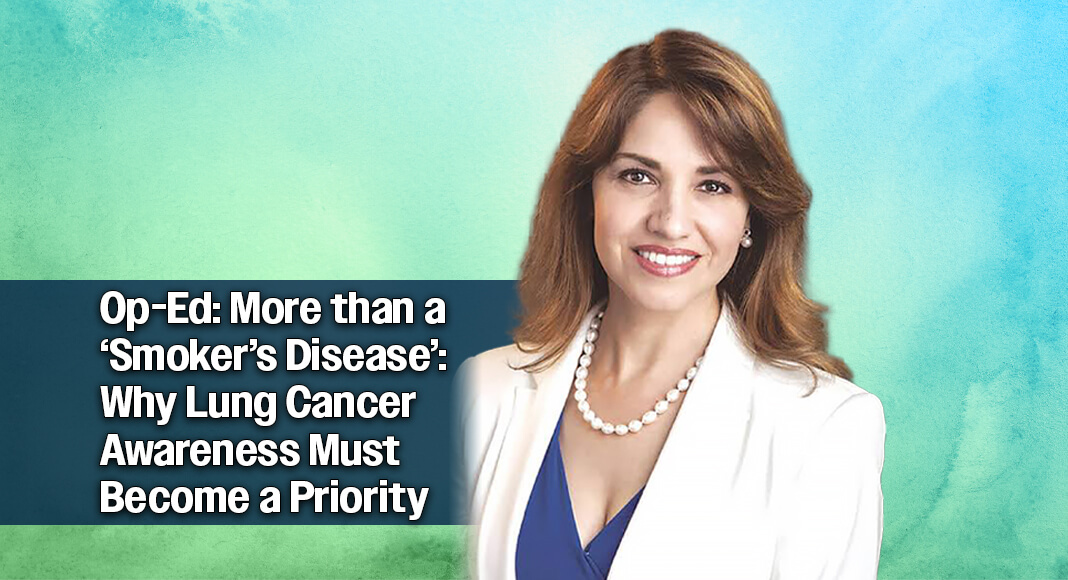
By: Lorena Saenz Gonzalez
In the wake of Pope Leo XIV’s recent lung cancer diagnosis, public interest in the disease has surged, underscoring the important role prevention and early detection play in achieving better outcomes.
Lung cancer is one of the most common and deadly cancers in the United States, yet misconceptions and stigma continue to surround the disease. An estimated 229,410 people will be diagnosed with lung cancer in 2026. In Texasalone, 14,260 will be diagnosed.1 Many people still view lung cancer as a “smoker’s disease,” but the reality is that anyone can develop it. And while routine screening can detect lung cancer early, when it’s most treatable, only about18% of eligible Americans are getting screened.


Early stages of lung cancer usually don’t have any symptoms. When symptoms develop, they can include:
- A cough that does not go away or worsens
- Coughing up blood
- Constant or intermittent and unexplained chest pain
- Repeated pneumonia or bronchitis
- Weight loss and loss of appetite
- Hoarseness lasting a long time
- Wheezing or shortness of breath
- Feeling very tired all the time
If you are experiencing any of these symptoms, do not ignore them. Talk to your healthcare provider.
Screening can be lifesaving for those at high risk, and is recommended for people ages 50-80 who have at least a 20pack-year* history of smoking cigarettes. If you smoke cigarettes or used to smoke cigarettes, talk to your healthcare provider about getting screened with a low-dose CT scan, a quick and painless procedure. Low-dose CT scans use up to 90% less radiation than traditional CT scans.
Though smoking cigarettes is the leading cause of lung cancer, it’s not the only risk factor. Other risk factors include heavy exposure to secondhand smoke; exposure to indoor or outdoor air pollution; having a job with radiation exposure; exposure to certain toxic substances, such as arsenic, radon or asbestos; and a personal or family history of lung cancer.
There are steps everyone can take to reduce their risk. If you do smoke, it’s never too late to quit. Quitting has near-immediate benefits to your cancer risk and general health. For help
1American Cancer Society. Cancer Facts & Figures 2026. Atlanta: American Cancer Society; 2026.
quitting, call 1-800-QUIT-NOW. You can also make lifestyle changes to reduce your risk including avoiding all forms of tobacco; staying away from secondhand smoke; eating lots of fruits and vegetables; making your home andcommunity smoke-free; and testing your home for radon.
Pope Leo’s diagnosis is a reminder that anyone with lungs can get lung cancer. But it is also a reminder that early detection can mean better outcomes. Now is the time to make your lung health a priority. Visit www.preventcancer.org/lung to learn more.
*A “pack-year history” is an estimate of how much a person has smoked over time. To calculate, multiply the number of packs of cigarettes smoked every day by the number of years smoking that amount.
Lorena Saenz Gonzalez is the spouse of Congressman Vicente Gonzalez and a member of the Prevent Cancer Foundation’s Congressional Families® Program.