


loader image
Monday, February 9, 2026
62.9 F
McAllen
- Advertisement -

Study Shows How Vaping Can Damage Your Airway

New Cleveland Clinic research shows how e-cigarettes and vaping can damage your airway and also put you at risk for viral infections.

Translate to Spanish or other 102 languages!

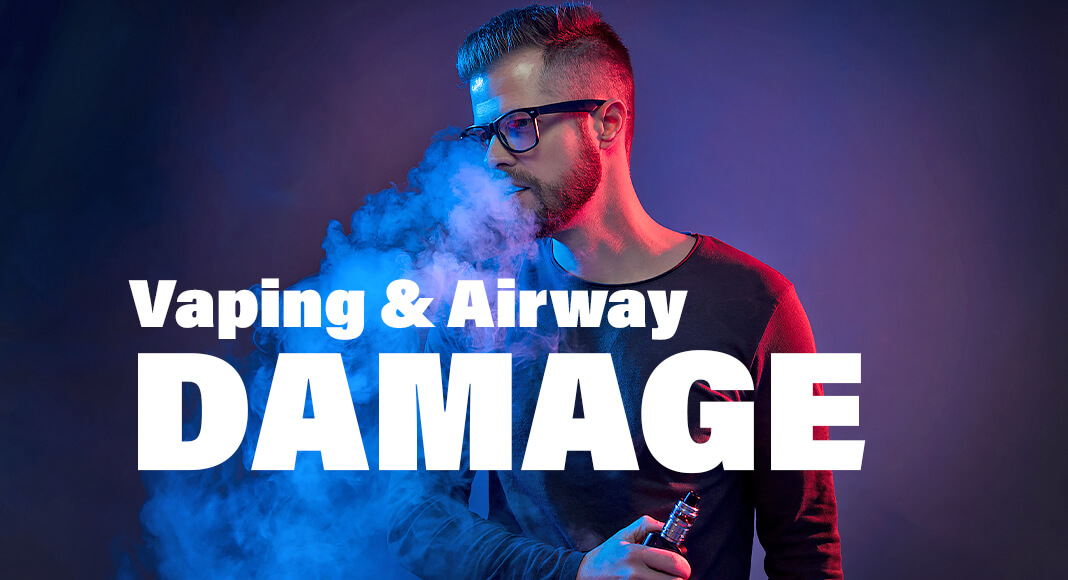
According to researchers, the popular devices have been shown to damage cells that protect your airway. Image for illustration purposes
- Advertisement -

CLEVELAND CLINIC – A Cleveland Clinic study is highlighting the dangers of e-cigarettes and vaping

According to researchers, the popular devices have been shown to damage cells that protect your airway. 
 
“Why is this important? Because if the integrity of the airway barrier is disrupted, everything can get in, viruses can get in, or other pollutions or allergens can get in,” explained Fariba Rezaee, MD, pediatric pulmonologist for Cleveland Clinic Children’s.   
 
Dr. Rezaee said they created a breathing simulator for the study, and then tested different devices and flavors to see how they would impact cells in the airway. 

She said they discovered that no matter the device, or flavors introduced, they all caused harm. 

- Advertisement -

However, the combination of flavor and nicotine were said to be the worst.  

They also learned that the use of e-cigarettes or vapes can put a person at greater risk for viral infections, like RSV.
 
“We exposed the cells to the aerosols generated by this machine, and then we did the viral infection, and we saw that the effect was worse,” she noted. “So basically we saw more viral infections and more damage to the airway epithelial cells.”  
 
Dr. Rezaee said more research needs to be done on the long-term effects. 

- Advertisement -
- Advertisement -

- Advertisement -

More Articles

Inside the Physiology and Neuroscience of Winter Olympians

What makes Olympians the very best at what they do — even in cold, slippery or icy conditions? 

Study Finds 60% of American Women Choose Clinic Visits Over At‑Home Cervical Screening

American women now have the option of screening for cervical cancer at home, using newly approved self-collection tools. While experts hope this will increase uptake in the under-screened population, a first-of-its kind study by researchers from The University of Texas MD Anderson Cancer Center found the majority (60.8%) still prefer to see a medical professional in-clinic.

Food Safety Tips for a Healthy Super Bowl Sunday

Super Bowl parties often feature takeout, delivery and foods that are served over several hours. To help prevent foodborne illness, the U.S. Department of Agriculture’s (USDA) Food Safety and Inspection Service (FSIS) is reminding fans to keep food safety in play on game day.

FDA Updates Guidance on “No Artificial Colors” Labels as Natural Options Expand

The U.S. Food and Drug Administration took additional steps to support the transition of our nation’s food supply from the use of artificial petroleum-based colors to alternatives derived from natural sources. Companies will now have flexibility to claim products contain ‘no artificial colors’ when the products do not contain petroleum-based colors. In the past, companies were generally only able to make such claims when their products had no added color whatsoever — whether derived from natural sources or otherwise
- Advertisement -
×