



Mega Doctor News

Every meal should help children grow and thrive, not put their health at risk.
From school lunches and after-school snacks to family dinners at home, food safety is a critical part of keeping children healthy.
“By following proper food handling, storage and preparation practices, families can significantly reduce the risk of foodborne illness and help support their children’s overall health and well-being,” says Santos Cantu, MD, a pediatric and emergency medicine physician and medical director of the South Texas Health System (STHS) Children’s Emergency Department. “Food safety begins long before a meal reaches the table, from selecting and storing ingredients to preparing and serving food safely. Taking these simple precautions can help protect children from preventable illnesses.”

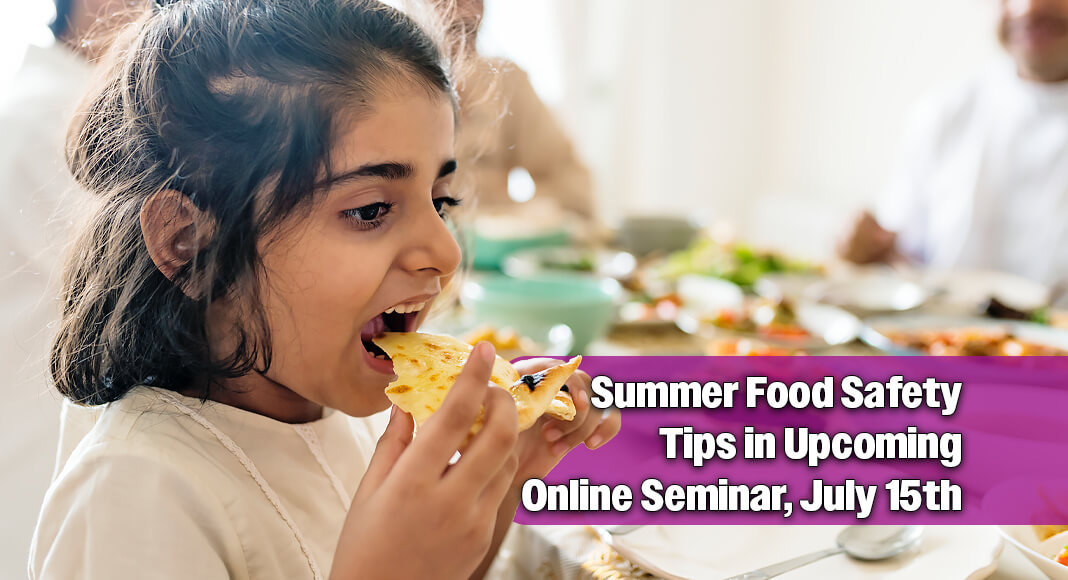
Because their immune systems are still developing, children are particularly susceptible to foodborne illnesses caused by common food safety mistakes, including undercooked foods, improperly stored leftovers and contaminated fruits and vegetables.
An estimated 48 million Americans experience a foodborne illness each year, according to the Centers for Disease Control and Prevention (CDC), with children ages 5 and younger particularly at risk. In fact, this age group is three times more likely to be hospitalized from a Salmonella infection than older children and adults.
Unfortunately, many of these illnesses can be traced back to unsafe food handling practices in the home.
“Something as simple as improper handwashing, cross-contamination between raw and ready-to-eat foods or storing foods at unsafe temperatures can increase a child’s risk of illness,” says Dr. Cantu. “Understanding and practicing safe food handling can go a long way in keeping children healthy.”
With the right knowledge and a few simple precautions, parents and caregivers can significantly reduce the risk of foodborne illness.
“Food safety doesn’t have to be complicated,” says Cantu. “Simple habits like washing your hands thoroughly, keeping raw and ready-to-eat foods separate and refrigerating leftovers promptly can make a significant difference. By making food safety a priority at home, families can help ensure every meal supports their children’s health and well-being.”
To help parents and caregivers protect their children from foodborne illness, STHS Children’s will focus its upcoming Let’s Talk Children’s Health webinar on food safety.
Streaming live via STHS Children’s Facebook Events page from 5:30 – 6:30 p.m. on Wednesday, July 15, 2026, the free virtual seminar will provide practical, easy-to-follow guidance on safely handling, preparing and storing food at home. Participants will learn how to identify common kitchen risks, prevent foodborne illness and build safer meal routines—from packing school lunches and preparing after-school snacks to serving healthy family dinners.
For more information on the webinar, visit the STHS Children’s Facebook Events page. If you would like to watch previous Let’s Talk Children’s Health Seminars, visit STHSLetsTalk.com.
| Who: | South Texas Health System Children’s |
| What: | FREE virtual seminar entitled “Let’s Talk Children’s Health – Food Safety” |
| When: | Wednesday, July 15, 2026, from 5:30 – 6:30 p.m. |
| Where: | Online via STHS’ Facebook page |