








Mega Doctor News
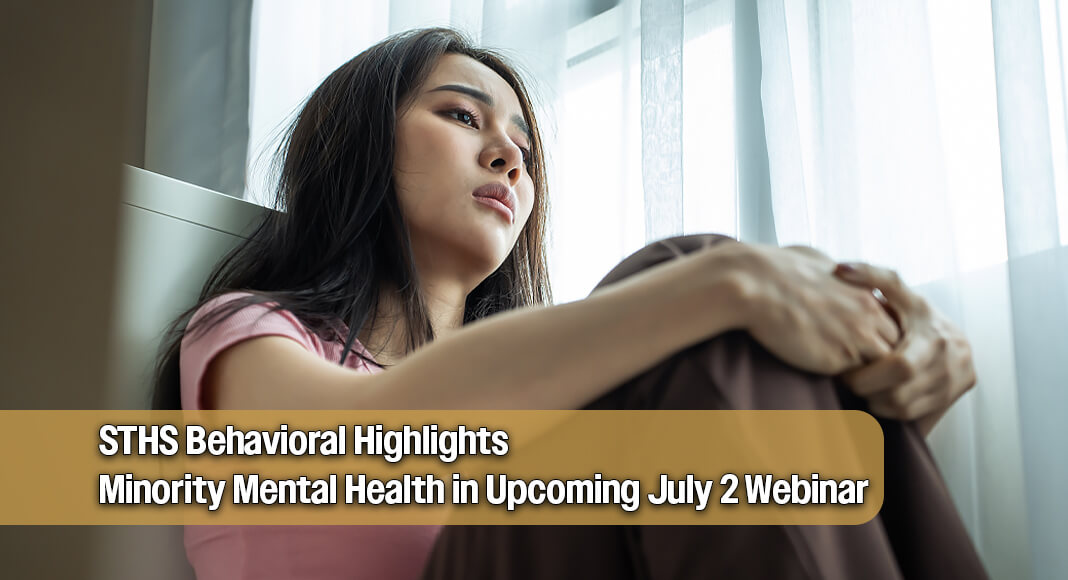
In many minority communities, including those in South Texas, mental health remains misunderstood and often goes undiscussed, leading many individuals to delay or avoid seeking help.
As a result, people may suffer in silence, suppressing or masking their emotions, which can worsen symptoms, increase stress and ultimately diminish their quality of life.
Moreover, family expectations, cultural shame and the fear of being judged or misunderstood can prevent individuals from speaking up, especially when conversations about mental health are limited or absent at home or in school.

“For many individuals in minority communities, talking about mental health can feel uncomfortable or even taboo,” says Leticia Sosa, MSSW, LCSW, LCDC-I., KAP, CLYL, EMDR Therapist, Director of Outpatient Services, South Texas Health System (STHS) Behavioral. “That silence can lead to people struggling alone, without the support they need. By fostering understanding and reducing stigma, we can empower individuals to seek help and prioritize their well-being.”
Despite growing awareness around mental health, disparities in access to care continue to affect minority communities across the nation.
In 2024, Hispanic/Latino adults were 12% less likely than the overall U.S. adult population to report experiencing a mental illness, according to the U.S. Department of Health and Human Services’ Office of Minority Health, and 28% less likely to have received mental health services in the previous year.
Similarly, Black/African American adults were 11% less likely than U.S. adults overall to report experiencing a mental illness and 36% less likely to have received mental health treatment in the previous year.
Although minorities continue to face barriers to mental health care, including stigma, limited access to culturally responsive services, socioeconomic challenges and longstanding inequities, mental health issues are treatable and often preventable.
“Preventing and treating mental health conditions starts with early awareness and timely intervention,” says Sosa. “When mental health concerns are identified and addressed early, individuals are more likely to experience better outcomes and avoid more serious, long-term challenges.”
With nearly one in four U.S. adults living with a mental illness, according to the National Alliance on Mental Illness, the need for greater awareness, understanding and access to care has never been more urgent.
By fostering understanding and encouraging open dialogue, communities play a vital role in building a future where mental health is prioritized, valued and treated, empowering individuals to seek support, find hope and take the first step toward healing.
“We all have a role to play in breaking the stigma surrounding mental health,” says Sosa. “When we speak openly, listen without judgment and support one another, we help remove the barriers that prevent so many individuals from getting the care they need.”
To help Rio Grande Valley residents take charge of their mental health, STHS will dedicate the latest installment of its Let’s Talk Your Health webinar series to raising awareness and addressing the challenges surrounding minority mental health.
Broadcast live via STHS’ Facebook page, from 5:30 – 6:30 p.m., on Tuesday, July 2, 2026, the webinar will offer valuable insights to help participants better understand the barriers and challenges affecting diverse communities while encouraging meaningful dialogue and ensuring every individual feels supported in seeking the help they need to thrive.
For more information on the webinar, visit the STHS Facebook Events page. If you’d like to view previous Let’s Talk Your Health seminars, visit STHSLetsTalk.com.
| Who: | South Texas Health System |
| What: | FREE virtual seminar entitled “Let’s Talk Your Mental Health – Minority Mental Health” |
| When: | Tuesday, July 2, 2026, from 5:30 – 6:30 p.m. |
| Where: | Online via STHS’ Facebook page |


