








Mega Doctor News
- Advertisement -
CDC, FDA, and public health officials in several states are investigating a multistate outbreak of Salmonella infections linked to shell eggs. If you have recalled shell eggs in your home or business, throw them out or return them.
On July 22, 2026, Midwest Poultry Services, L.P. recalled 1,589,577 dozen shell eggs due to possible Salmonella contamination.
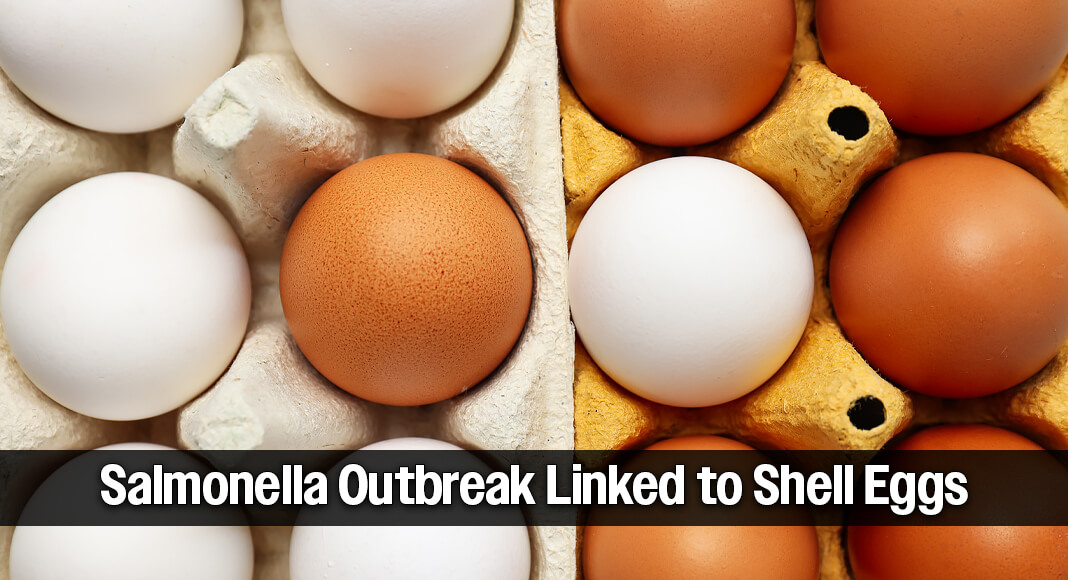
- Brown cage free shell eggs and white shell eggs
- Sold in bulk and retail sizes of 6, 12, 18, 24, 30, 36, and 60 eggsSell by or best by dates between July 20, 2026, and August 17, 2026 Produced in Texas and distributed between June 6, 2026, and July 3, 2026Shipped to foodservice and retail customers in Texas, Oklahoma and LouisianaRecalled eggs were available to consumers at Kroger stores in Texas and Louisiana; Brookshire Grocery stores in Texas, Oklahoma, Arkansas, and Louisiana, and other smaller retail and foodservice outlets in these states plus Mississippi and New MexicoSold under multiple brand names such as Kroger, Simple Truth, Brookshire’s, Cal-Maine, and Country Morning
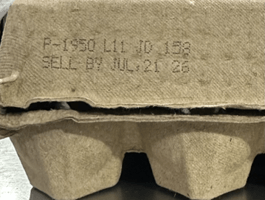
- Only codes P-1950 or 0840962 with a Julian Date between 157 and 184 printed on the side of the carton are included in the recall

What you should do
- Do not eat any recalled shell eggs. Throw them out or return them.
- Wash items and surfaces that may have touched the recalled shell eggs using hot soapy water or a dishwasher.
Urgent
Call your healthcare provider right away if you have any of these symptoms:
- Advertisement -
- Diarrhea and a fever higher than 102°F
- Diarrhea for more than 2 days that is not improving
- Bloody diarrhea
- So much vomiting that you cannot keep liquids down
- Signs of dehydration, such as:
- Not peeing much
- Dry mouth and throat
- Feeling dizzy when standing up
What businesses should do
- Do not sell or serve recalled shell eggs.
- Wash and sanitize items and surfaces that may have come in contact with recalled shell eggs.
Symptoms of Salmonella
- Most people infected with Salmonella experience diarrhea, fever, and stomach cramps.
- Some people—especially children younger than 5, adults 65 and older, and people with weakened immune systems—may experience more severe illnesses that require medical treatment or hospitalization.
Read more
For more information about Salmonella, see the About Salmonella Infection page.
Information source: CDC
- Advertisement -


