Mega Doctor News


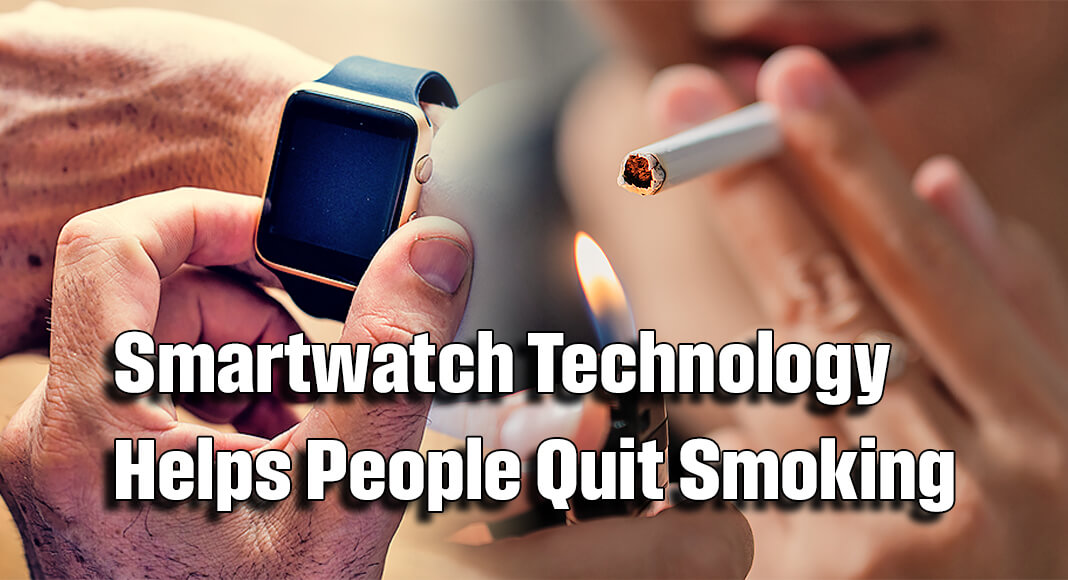
Newswise – Whether people decide to make New Year resolutions or not, they might want to lead a healthier lifestyle in 2025. According to a new University of Bristol-led study smartwatches could help people give up smoking. The researchers tested a smartwatch fitted with a custom app which used the smartwatch’s in-built motion sensors to detect typical smoking movements. The results, published in JMIR Formative Research, showed the technology has the potential to help over two thirds of trial participants quit the habit.
Smoking is the primary cause of preventable illness and premature death, harming nearly every organ of the body and reducing both quality of life and life expectancy. However, quitting is notoriously difficult, and many people try all sorts of ways to stop smoking, with limited success.

In this new feasibility study, researchers developed software that uses smartwatch motion sensors to identify the typical hand movements of cigarette smoking to help detect a smoking lapse. If the app detects the person is smoking, the smartwatch delivers a relapse prevention message, just at the moment it is needed, to help with their quit attempt.
Researchers tested the intervention on 18 people, interested in quitting smoking, who wore a normal Android smartwatch loaded with the custom app for a period of two weeks.
Participants reported that the smartwatch intervention increased their awareness of smoking, which helped with some of the more automatic aspects of smoking behaviour and made them think about what they were doing, motivating them to quit.
Researchers found that a smoking relapse prevention intervention and the use of a smartwatch as a platform to host a just-in-time behaviour change intervention are both feasible and acceptable to the majority of participants (12 out of 18, 66 per cent) as a relapse prevention intervention.
The researchers believe this is the first just-in-time intervention for preventing smoking relapse that runs entirely on a smartwatch, so doesn’t need to be paired with a smartphone.
Chris Stone, Senior Research Associate in Wearable Technology Application Development in Bristol’s Tobacco and Alcohol Research Group, and Integrative Cancer Epidemiology Programme (ICEP), explained why the approach could help people quit smoking: “For those who are trying to give up, an initial lapse is a vulnerable moment, and risks leading to a full relapse to smoking. People like smartwatches. They like the idea of it delivering a message at the point that they smoke. Therefore, if we can identify this point of lapse, and deliver an intervention precisely at that point, we have an opportunity to improve the success of the quit attempt.
“In carrying out this project, we have aimed to harness the latest thinking in intervention design, and deliver it in a convenient wearable package with minimal burden to the user and maximum engagement with behaviour change; and in doing so, make a difference to people’s lives.”
Alizée Froguel, Cancer Research UK’s Prevention Policy Manager, added: “Smoking is the biggest cause of cancer in the UK and stopping completely is the best thing you can do for your health. This study shows that smartwatches could be a useful method to help people quit smoking, but more research is needed to understand how effective they are. “There are many tools available to help people quit, and getting support from your free local stop smoking service will give you the best chance of stopping successfully. To help create a smokefree future, the UK government must ensure cessation services are sustainably funded and accessible for all.”
The research team recommend a longer-term effectiveness trial be carried out as the next step.
This work is part of the Smoking Cessation theme of the Cancer Research UK-funded Integrative Cancer Epidemiology Programme (ICEP).
Paper
‘Presenting and evaluating a smartwatch-based intervention for smoking relapse (StopWatch): feasibility and acceptability study’ by Chris Stone et al. in JMIR Formative Research