








Small Steps Toward Feeling Less Lonely

Translate to Spanish or other 102 languages!

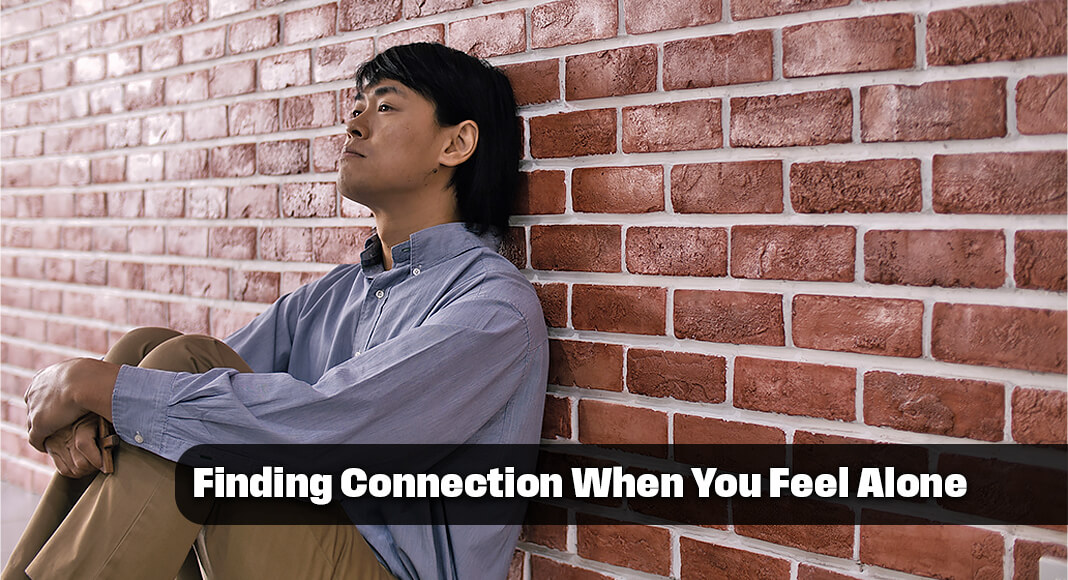
“Chronic loneliness is known to trigger the fight or flight response, the stress response in the body. When we feel stressed, our bodies are flooded with cortisol and this tends to weaken our immune system and increase inflammation, which leaves us at risk for higher incidents of strokes, heart attacks, heart disease, dementia, and early death,” explained Susan Albers, PsyD, a psychologist with Cleveland Clinic. Image for illustration purposes
- Advertisement -

CLEVELAND CLINIC – About one in three people report feeling lonely, according to the Centers for Disease Control and Prevention.

You may not realize it but chronic loneliness is damaging to mental and physical health.

“Chronic loneliness is known to trigger the fight or flight response, the stress response in the body. When we feel stressed, our bodies are flooded with cortisol and this tends to weaken our immune system and increase inflammation, which leaves us at risk for higher incidents of strokes, heart attacks, heart disease, dementia, and early death,” explained Susan Albers, PsyD, a psychologist with Cleveland Clinic.

- Advertisement -

Dr. Albers said loneliness can take many forms and some people may seem stressed, tired or turn to substance use.

She warned, the longer someone feels lonely, the more it impacts the brain.

So, the sooner it’s addressed – the better.

To combat loneliness, it’s important to be with people, not just around them.

- Advertisement -

Good ways to find quality interaction include volunteering or signing up for a class or book club. 

She noted that activities that pair people with exercise are a double bonus because activity releases feel-good neurotransmitters in the brain.

If you suspect someone in your life is lonely, check in with them — and if at first you don’t succeed, try again.

“When someone is dodging all of your efforts to connect, don’t give up. It’s important not to let them suffer in silence. Continue to circle around, check on them, and keep asking,” she said. “They often don’t see that people want to connect with them. So, the more you ask, the more it’s going to sink in that they are welcome and invited into your world.” 

Big life changes – like moving, a promotion, or becoming a parent — often cause feelings of loneliness. 

In these situations, Dr. Albers said it’s key to prepare and proactively plan ways to cope.

- Advertisement -
- Advertisement -

- Advertisement -

More Articles

DHR Health Recertified for Advanced Hip & Knee Replacements

DHR Health has once again earned The Joint Commission's Advanced Certification in Total Hip and Total Knee Replacement, reaffirming its commitment to providing high-quality, patient-centered orthopedic care to the Rio Grande Valley.

STHS Named to Newsweek’s America’s Greatest Midsize Workplaces for Women

The American workforce is more diverse than ever, with women helping lead that transformation. 

Study Points to High Blood Pressure as a Key Factor in Rising Heart Disease Rates

Heart disease is the leading cause of death in the United States according to the Journal of the American College of Cardiology. Its impact extends beyond biology, with social detriments such as food insecurity, socioeconomic status and education influencing outcomes.

Dysfunctional, Not Missing, Immune Cells Explain Skin Cancer Risk in Immunosuppressed Patients

Researchers at The University of Texas MD Anderson Cancer Center have discovered that immunosuppressed patients with non-melanoma skin cancer are not missing the key cancer-fighting immune cells found in immunocompetent patients, but those cells – known as macrophages – have lost the ability to communicate effectively.
- Advertisement -

