







Mega Doctor News

By American Academy of Dermatology
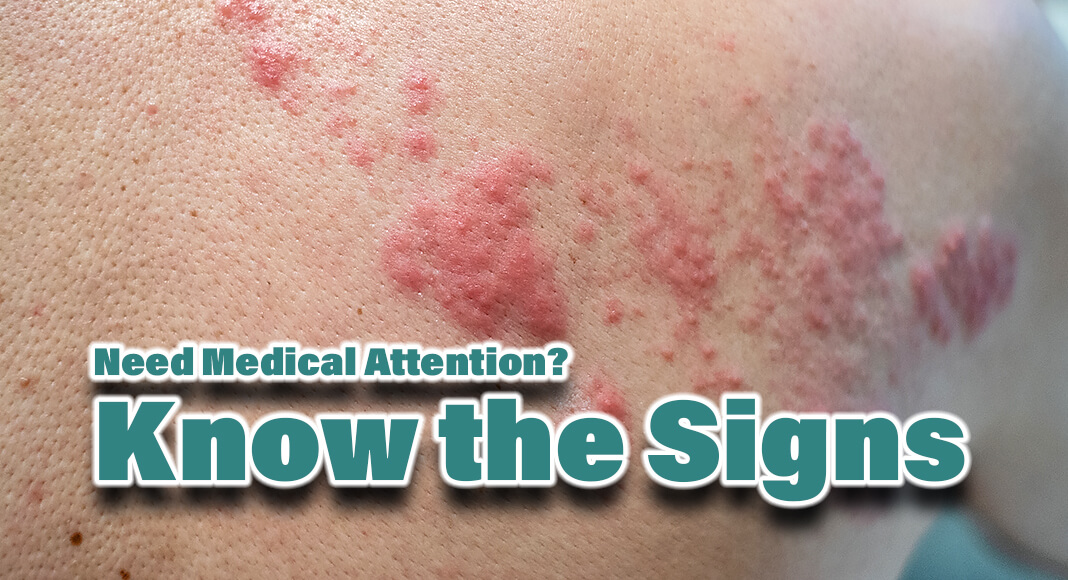
Newswise — ROSEMONT, Ill. — Rashes take many forms, may spread across the body, and affect people of all ages. To the untrained eye, rashes may look alike, and while some are treatable with over-the-counter medications, other rashes can be a sign of a more serious condition.
“It is important to watch your symptoms closely at the onset of a new rash,” said Mallory Abate, MD, FAAD, a board-certified dermatologist in Baton Rouge, La. “Making note of any changes or new developments are instrumental to determining the severity of the medical condition and if immediate assistance is needed.”

It’s easy for germs to enter a rash and cause an infection. Signs your rash is infected might include pus, yellow or golden crusts, pain, swelling, warmth, or an unpleasant smell. The skin around an infection might look red, purple, or brown, you might feel very hot or cold, have swollen lymph nodes, or a fever.
Dr. Abate and the AAD recommend people with rashes follow these tips to know when to seek medical attention:
- A rash over most of your body.
- A rash that blisters or turns into open sores or raw skin.
- Fever or illness with a rash.
- A rash that spreads rapidly.
- A painful rash.
- A rash involving the eyes, lips, mouth, or genital skin.
If you have trouble breathing or swallowing, or your eyes or lips swell up, emergency medical care may be necessary and should be sought immediately.
“If you have a rash and your symptoms are not improving, make an appointment to see a board-certified dermatologist,” Dr. Abate said.
These tips are demonstrated in “Signs your rash needs medical attention,” a video posted to the AAD website and YouTube channel. This video is part of the AAD’s “Your Dermatologist Knows” series, which offers tips people can use to properly care for their skin, hair, and nails.
To find a board-certified dermatologist in your area, visit aad.org/findaderm.


