







Mega Doctor News

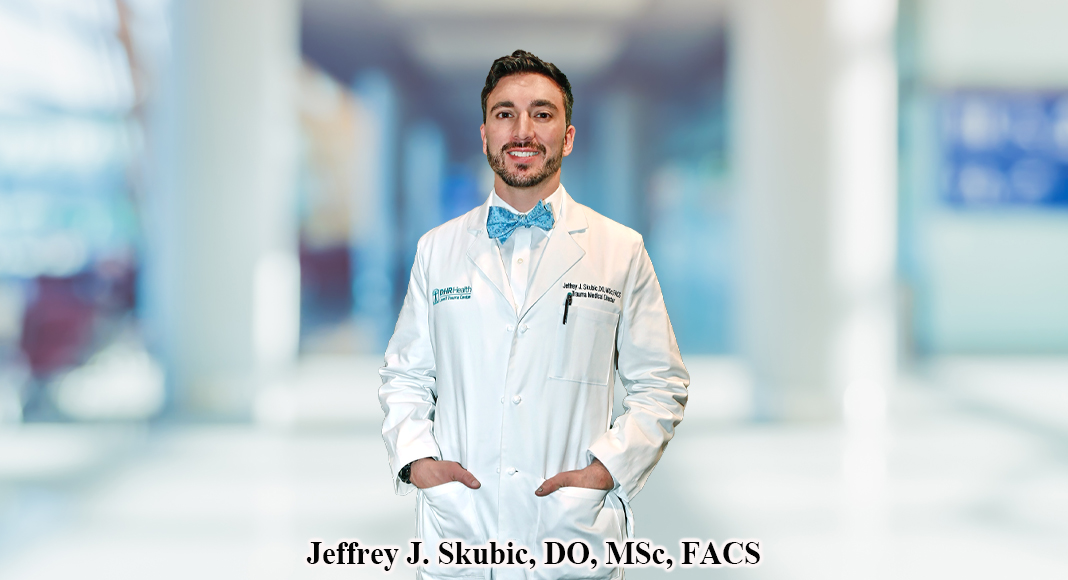
In a world where seconds can mean the difference between life and death, Dr. Jeffrey Skubic emerges as the light of hope and innovation in trauma care. As the Trauma Medical Director at DHR Health, Dr. Skubic’s groundbreaking work and visionary leadership have saved countless lives and paved the way for the future of injury prevention and medical education. In an enlightening conversation with Mega Doctor News, Dr. Skubic unveils his journey, from his rigorous academic background to launching life-saving initiatives like the ATV Injury Prevention Program at DHR Health.
This exclusive interview not only highlights Dr. Skubic’s impressive career and the impact of his initiatives but also offers invaluable insights into the complexities of trauma surgery, the importance of injury prevention, and the future of trauma care in the Rio Grande Valley and beyond. Join us as we explore “The Passion Behind the Precision” and get inspired by the man who saves lives and shapes the future of trauma care.
Read the full story to uncover the dedication, innovation, and strategic vision that Dr. Jeffrey Skubic brings to the high-stakes world of trauma care. Beyond the operating room, Dr. Skubic’s impact is felt through his proactive approach to community health and safety. His leadership in participating in the ATV Injury Prevention Program exemplifies his commitment to treating injuries and preventing them before they occur. This initiative was born from observing a troubling trend of preventable injuries.

Through workshops, outreach programs, and public awareness campaigns, Dr. Skubic and the team at DHR Health are making strides in cultivating a safer environment for everyone. This facet of his work highlights an often-overlooked aspect of trauma care: prevention. This forward-thinking and community-oriented approach further cement Dr. Skubic’s legacy as a pioneer in trauma care.
So, I invite you to dig into the heart of trauma surgery with Dr. Skubic as he shares his passion for operating under extreme conditions and his relentless pursuit of excellence that has led to the creation of the BRDR-T Consortium Trauma Centers, a pioneering network aimed at enhancing trauma care along the US-Mexico border. Discover the motivation behind his dedication to education, his role in developing the first-ever Surgical Critical Care fellowship in South Texas, and his strategies for addressing trauma care challenges in remote areas.
Enjoy!


