







Mega Doctor News

The dazzling bursts of red, white and blue that light up the night sky are a cherished Fourth of July tradition, but behind the spectacle lies a serious safety risk.
Every Independence Day, emergency departments across the country treat thousands of people for fireworks-related injuries, many involving severe burns, eye trauma and other injuries with life-altering consequences.
In 2024 alone, fireworks-related incidents resulted in 11 deaths nationwide, according to the U.S. Consumer Product Safety Commission. An estimated 14,700 people were treated in emergency departments for fireworks injuries, a significant increase from the 9,700 injuries reported the year before.

Burns were the most frequently reported injury, with hands and fingers most often affected.
“Fireworks, even seemingly harmless ones, burn at extremely high temperatures and can cause severe injuries in a matter of seconds,” says Santos Cantu, MD, an emergency medicine physician who serves as the medical director of the emergency department at South Texas Health System (STHS) Children’s. “These injuries can range from serious burns and permanent scarring to blunt-force trauma, eye injuries and even amputations. Taking proper precautions can help ensure a festive celebration doesn’t turn into a medical emergency.”
With Independence Day celebrations expected throughout the weekend, the STHS Trauma & Critical Care Institute is preparing for a potential increase in fireworks-related injuries.
Because fireworks can cause serious and life-altering injuries, trauma experts at STHS encourage Rio Grande Valley residents to leave fireworks to the professionals and attend organized displays hosted by local communities, including the City of McAllen and City of South Padre Island.
If you choose to use fireworks this Fourth of July, and they’re legal in your community, the STHS Trauma & Critical Care Institute recommends following these important safety tips to help protect yourself and your loved ones:
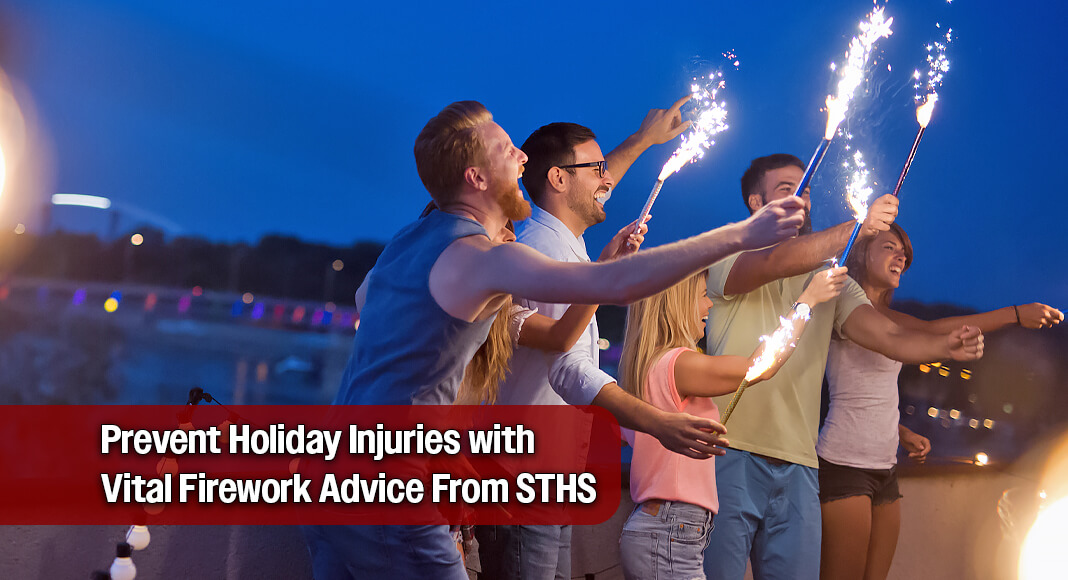
Keep Fireworks Out of Children’s Hands: Never allow young children to handle or ignite fireworks, including sparklers, which can burn at temperatures of up to 2,000 degrees Fahrenheit, hot enough to melt some metals.
Keep Water Nearby: Have a bucket of water, fire extinguisher or garden hose readily available in case of a fire or other emergency.
Use Fireworks in Open Areas: Light fireworks one at a time in a clear, open space away from homes, vehicles, dry grass and other combustible materials.
Maintain a Safe Distance: Never place any part of your body directly over a fireworks device while lighting the fuse.
Handle Misfires Properly: Never attempt to relight a malfunctioning firework. Instead, soak it thoroughly in water before disposing of it.
Prevent Fires After Use: Once fireworks have finished burning, douse them with water to ensure they are completely extinguished.
Purchase Fireworks Legally: Only buy consumer-grade fireworks from authorized retailers and follow all local laws and restrictions.
Never Aim Fireworks at Others: Do not point, throw or discharge fireworks toward people, animals, vehicles or structures.
Stay Sober: Never use fireworks while under the influence of alcohol or drugs.
Store Fireworks Safely: Keep fireworks in a cool, dry place and never carry them in your pockets.
If you or a loved one suffers a fireworks-related injury, seek immediate medical attention by calling 911 or visiting the nearest emergency room. Prompt treatment can help reduce the risk of serious complications.
The STHS Trauma & Critical Care Institute operates the largest integrated network of emergency care in the Rio Grande Valley, including the Level I Trauma Center at STHS McAllen and seven freestanding emergency departments across the region. To learn more about South Texas Health System’s emergency services or find an emergency room near you, visit www.southtexashealthsystem.com/our-facilities.


