








Mega Doctor News
CDC – West Nile virus season starting early, highest number of infections reported at this point in year since 2004.
The Centers for Disease Control and Prevention (CDC) is seeing the earliest start to the West Nile virus (WNV) season in the United States with the highest number of human disease cases reported by this time of year since 2004. At least 48 cases have been reported as of June 30, 2026: 38 have been cases of severe neuroinvasive disease. Since 2004, an average of 10 human disease cases has been reported to CDC by the end of June. This surge is driven by early circulation of the virus, with 23 states reporting West Nile virus activity – also the highest number recorded over the last 10 years.
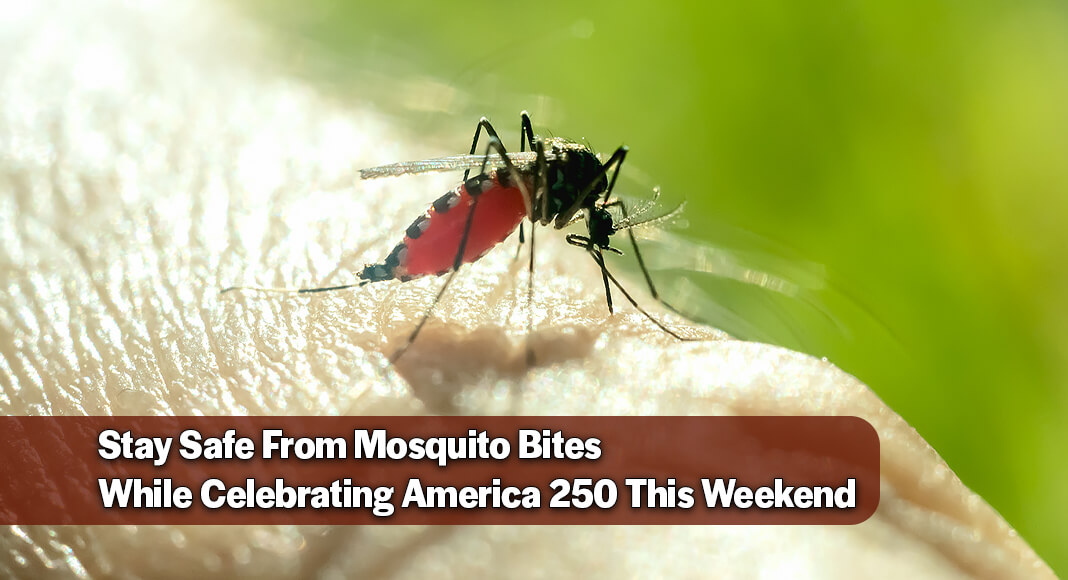
With millions of Americans expected to spend time outdoors over the America’s 250th Independence Day holiday weekend, CDC recommends taking the following precautions to reduce the risk of mosquito bites:

- Use an insect repellent registered with the Environmental Protection Agency.
- Wear long, loose-fitting shirts and pants so it is harder for mosquitoes to bite your skin.
- Avoid being outside between dusk and dawn when the mosquitoes that spread West Nile virus are most active.
- Use screens on windows and doors or air conditioning, if available, to keep mosquitoes outside.
State and local health departments continue to monitor mosquito populations and implement mosquito control measures where appropriate. CDC is working closely with public health partners nationwide to monitor disease activity and provide guidance to help communities reduce the risk of infection.
The latest data on WNV can be found here – https://www.cdc.gov/west-nile-virus/data-maps/current-year-data.html
For more information about West Nile virus visit www.cdc.gov/westnile.
Quote attributable to Erin Staples, MD, PhD, medical epidemiologist
“These findings serve as an important reminder that mosquito season is well underway,” said CDC Medical Epidemiologist Dr. Erin Staples. “As families gather outdoors to celebrate Independence Day, we encourage everyone to enjoy their holiday while taking simple steps to protect themselves and their loved ones from mosquito bites.”
Background
West Nile virus is the leading cause of mosquito-borne disease in the contiguous United States with several thousand cases and about 100 deaths on average reported each year. Most people infected with West Nile virus do not develop symptoms. However, approximately one in five infected individuals develop a fever and other symptoms such as headache, body aches, joint pain, vomiting, diarrhea, or rash. Less than one percent of infected people develops severe neurologic disease, including meningitis or encephalitis, which can result in long-term disability or death. Adults aged 60 years and older and people with certain underlying medical conditions are at increased risk for severe illness.
Information source: CDC


