








Mega Doctor News
TEXAS MEDICAL ASSOCIATION (TMA)
Texans are no strangers to hot temperatures, but physicians are warning Texans about the dangers of heat exhaustion and heat stroke.
“As the temperatures rise and the heat index surges, we see more people in the emergency department (ED) suffering from heat-related illnesses,” said Hilary Fairbrother, MD, an emergency medicine physician and chair of the Texas Medical Association’s Committee on Emergency Medical Services (EMS) and Trauma.

Austin is an example: since April, Austin-Travis County EMS responded to 177 calls for help because of the heat, a nearly 90% increase from the same period last year. In May, 123 people went to Austin hospitals with heat-related illnesses, compared to 48 last year, officials said.
Human bodies have mechanisms to adapt to the heat; sweating is one of them. If the heat index becomes very high or if someone stays out in the heat too long, the body becomes overwhelmed and cannot cool down enough. That’s when heat exhaustion or the more severe heat stroke can occur.
Dr. Fairbrother, who treats patients suffering from heat illnesses, says some of the signs of heat exhaustion are a racing pulse, rapid heartbeat, headache, dizziness, nausea, and mild confusion. The condition may pass if the person rests in the shade and drinks water.
Someone suffering from heat stroke will exhibit similar symptoms but on a higher scale. Heat stroke is a serious heat-related illness that can increase body temperature to 106°F or higher within 10 to 15 minutes, according to the Centers for Disease Control and Prevention. It also can cause permanent disability or death if the person does not receive immediate medical help.
“A person suffering from heat stroke will appear intoxicated, will not make sense, and sometimes will become unconscious or comatose,” said Dr. Fairbrother, adding, “Their body temperature has gotten so high their brain is not functioning very well.”
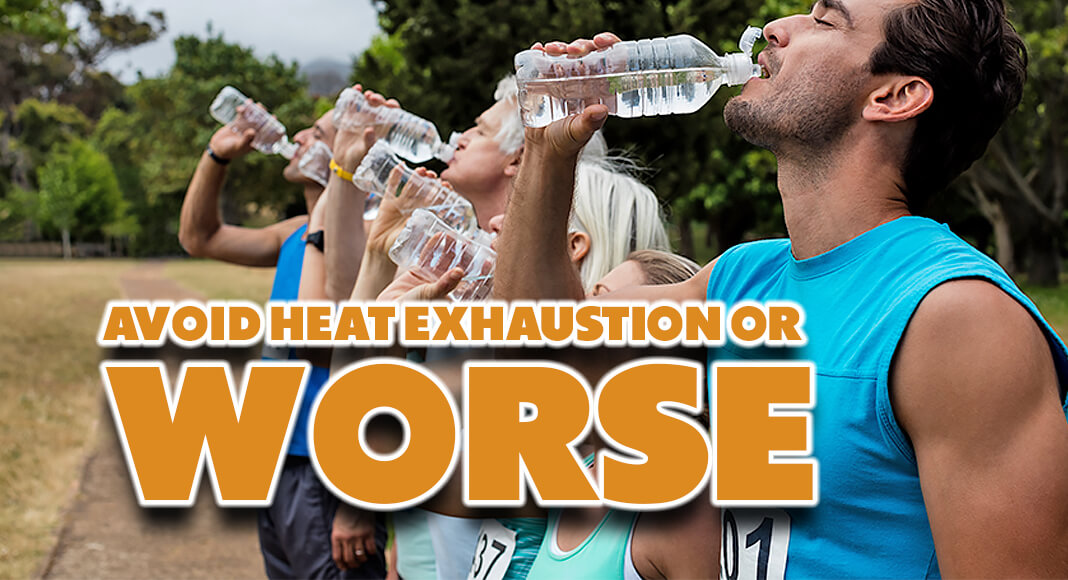
The emergency physician says the best way to stay safe in the heat is to stay hydrated. Drink water before going outside, and continue to drink water while out in the heat.
Dr. Fairbrother says she sees patients in her ED who cannot take care of themselves, like infants or older adults who are unable to remove themselves from a dangerously hot environment. Two examples, she says, are a child left in a hot car or an older adult who does not have a working air conditioner, and has no transportation. Seniors in that situation should call 311 to get a ride to a cooling center, she said.
She stresses the importance of being vigilant because intense heat like the Texas summer brings can seriously affect people’s health.
“Sadly, we lose patients every year to heat-related illness,” said Dr. Fairbrother. “They have organ failure because their body has been too hot for too long, and they die.”
She says to immediately call 911 to get medical help if someone has passed out in the heat or seems very sick.


