








Mega Doctor News
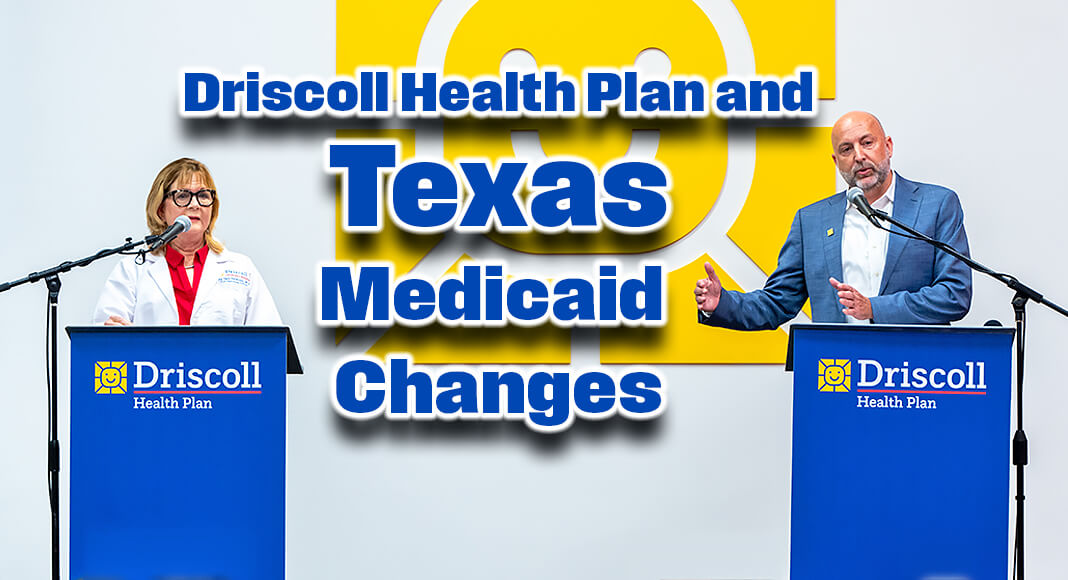
CORPUS CHRISTI, Texas — On Wednesday, Driscoll Health Plan CEO Craig Smith spoke to members of the media about state Medicaid changes that could shutdown Driscoll Health Plan. He was joined by Dr. Mary Dale Peterson, Executive Vice President and Chief Operating Officer of Driscoll Health System.
Since March 2024, Driscoll Health Plan has been appealing to the state after it was denied the opportunity by Texas Health and Human Services Commission to continue to provide Medicaid STAR and Children’s Health Insurance Program (CHIP) coverage.
“It’s a decision by the agency that if not reversed, could effectively mean the end of Driscoll Health Plan. As a result, three-quarters of the children and pregnant mothers on Medicaid across South Texas will have their health insurance disrupted. More than 500 jobs in our part of the state could be eliminated, and access to pediatric care and maternal care will be reduced for a generation of individuals in need,” said Driscoll Health Plan CEO Craig Smith.

“Even worse, Driscoll is not alone in this situation. HHSC is also eliminating other top quality health plans, like Cook Children’s and Texas Children’s. The ripple effect of the agency’s drastic action will force 1.8 million children and pregnant mothers to change their Medicaid insurance provider,” Smith said.
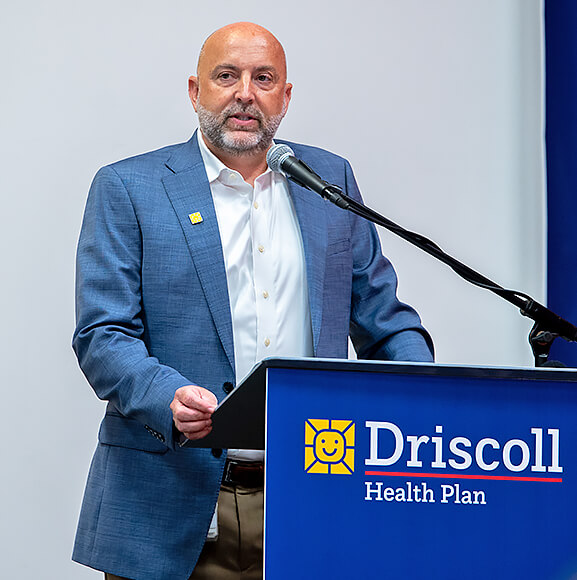
“I’m here to assure you, our friends and families at Driscoll, that we will fight until the very end to continue serving our members and our communities, because South Texas is our home,” Smith said.
Driscoll will file a second appeal with the state this week. If the second appeal is rejected, Driscoll is prepared to pursue legal action against the state.
“For more than two decades, Driscoll Health Plan has been providing Medicaid coverage throughout South Texas. Today, Driscoll Health Plan has grown to serve 24 counties and 185,000 members,” said Dr. Mary Dale Peterson, Executive Vice President and Chief Operating Officer of Driscoll Health System.
Watch Press Conference Below Courtesy of Driscoll Health Plan:
Driscoll Health Plan funds dozens of health-related programs in the community, including an annual $10 million investment into maternal fetal medicine to guarantee coordinated care and keep pregnant moms healthy. This has saved the state of Texas more than $1 billion between 2008 and 2022 in reduced NICU costs. The investment sees the employment of several full-time maternal fetal medicine physician-specialists who provide care at clinics across South Texas and the Rio Grande Valley.
This initiative reduced the preterm birthrate in the region from 15.1 percent to its lowest point of 9.1 percent before the pandemic.
“To me that’s not a number. That’s all the babies that can now have a more normal life,” Dr. Peterson said.
Other programs funded by Driscoll Health Plan focus on keeping the community healthy, like providing vaccines and diapers to new moms, sponsoring fun activities for kids to stay healthy and outdoors, or helping kids get back to school with new backpacks and school supplies. Driscoll Health Plan partners with more than 500 different organizations, ranging from other nonprofit groups with parallel missions, to community groups, food banks, first responders, local governments and school districts. In total, Driscoll Health Plan generates $330 million in annual business activity, impacting over 2,800 jobs across the state, according to a Perryman Group study commissioned by Driscoll.
“The basis of our appeal is to illustrate that the procurement process conducted by the state was fundamentally flawed and we believe actually violated state statues … It did not take into consideration past performance, any historical results, didn’t look at the 150 quality measures that we report on every year … it basically ignored two decades of investment,” said Dr. Peterson.
“Perhaps the most disappointing aspect of this decision is the fact that members and physicians and other providers were never consulted,” said Dr. Peterson.
Driscoll Health Plan began in 1998 as an answer to the uninsured population in South Texas. It has grown to serve a 14-county area surrounding Nueces County and a 10-county area in the Rio Grande Valley. The plan offers both Medicaid-managed and low-cost coverage options for children, young adults and expecting mothers.


