








Mega Doctor News
Health challenges can affect individuals at any stage of life, but the likelihood of complications rises significantly with age.
Nearly 92% of older adults live with at least one chronic condition, according to the National Council of Aging, while about 77% manage two or more. Among the most common and most costly are heart disease, stroke and diabetes, which together account for nearly two-thirds of deaths among seniors.
“When seniors are living with multiple chronic conditions, even a minor issue can quickly escalate into a medical emergency,” says Jason Waller, BSN, RN, CEN, CPEN, TCRN, CCEMT-P, NREMT-P, Emergency Department Director, South Texas Health System (STHS) Heart. “That’s why it’s critical for emergency departments to be equipped with the right protocols, training and resources to recognize those complexities and deliver timely, specialized care that can improve outcomes and quality of life.”

Older adults are more likely to require emergency care than younger populations, often facing increased risks associated with aging. Factors such as declining bone density, along with reduced strength and flexibility, make seniors more vulnerable to falls. In fact, a senior dies from a fall every 29 minutes, making it the leading cause of injury among older adults, according to the Centers for Disease Control and Prevention (CDC).
At the same time, the senior population continues to grow at a rapid pace. Americans are living longer than ever, with an estimated 10,000 Baby Boomers turning 65 each day. By 2030, all members of this generation are expected to reach that milestone, according to the U.S. Census Bureau.
“At every stage of care, older adults present unique challenges that require a more comprehensive and tailored approach in the emergency room,” says Waller. “From managing multiple chronic conditions to addressing mobility, cognitive and medication-related concerns, it’s essential that our teams are trained to recognize these complexities and provide care that is both specialized and compassionate.”
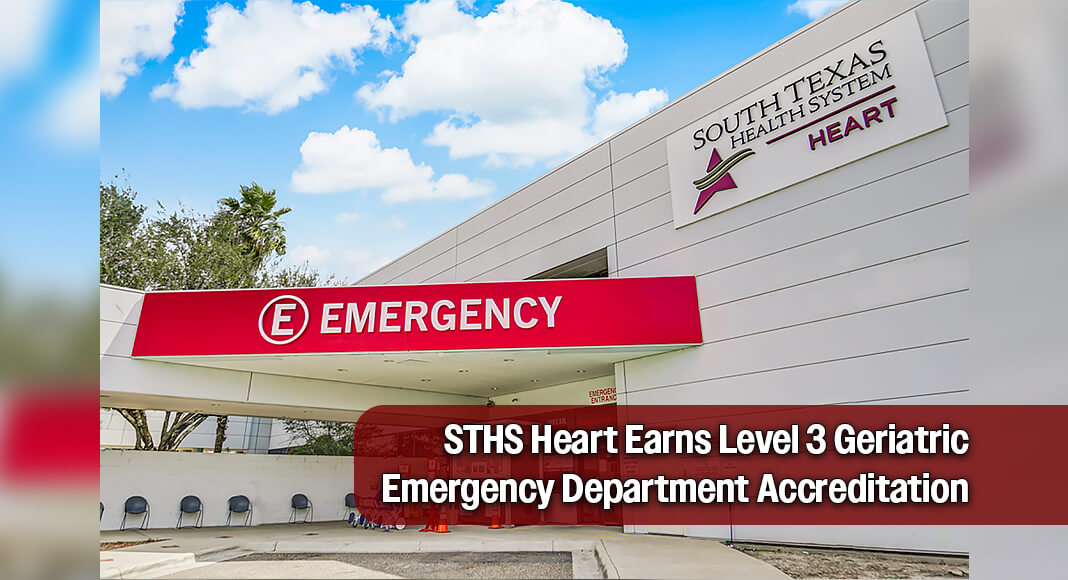
In the Rio Grande Valley, older adults can rely on STHS Heart for nationally recognized, specialized care that meets the unique healthcare needs of the region’s growing senior population. One of the nation’s first freestanding cardiovascular hospitals and the first dedicated heart hospital in Texas, the facility has earned a Level 3 Geriatric Emergency Department Accreditation (GEDA) from the American College of Emergency Physicians (ACEP).
This bronze-level accreditation underscores the dedication of STHS Heart to delivering high-quality, compassionate care tailored to older adults across the region.
“It’s not just about treating illness; it’s about helping our seniors preserve their dignity, independence and quality of life,” says Brenda Ivory, Chief Executive Officer, STHS Heart. “We’re deeply committed to delivering compassionate, specialized care that supports older adults and their families, ensuring they feel safe, respected and cared for at every stage of their health journey.”
To earn the accreditation, emergency departments must meet specific standards focused on geriatric care. These include having a physician with dedicated training in geriatric emergency medicine, a nurse with specialized geriatric education, access to mobility aids such as canes and walkers and the implementation of geriatric-focused care initiatives. Facilities must also ensure basic patient comfort needs are met, including convenient access to food and beverages.
As a Level 3 GEDA-designated emergency department, STHS Heart incorporates many of the program’s best evidence-based practices, including interdisciplinary geriatric education and access to specialized equipment and resources designed to support the unique needs of older adults.
The GEDA program was developed by the ACEP, in collaboration with the Society for Academic Emergency Medicine, the Emergency Nurses Association and the American Geriatrics Society, to improve and standardize emergency care for older adults. The program emphasizes enhanced staffing and education, geriatric-focused policies and protocols, and improved preparation of emergency care environments to better serve this population.
The guidelines also outline a range of recommended measures, including the use of geriatric-friendly equipment, specialized training for care teams and routine screening for conditions such as delirium, dementia and fall risk—common but often underrecognized challenges among older patients.
STHS Heart is the latest STHS facility to earn Level 3 Geriatric Emergency Department Accreditation. STHS ER Weslaco first received the designation in fall 2022, followed by STHS ER Alamo in spring 2023.
To learn more about the comprehensive cardiovascular care at STHS Heart, including its Level IV Trauma Center- and Primary Stroke Center-accredited emergency department, visit www.sthsheart.com.


