




loader image
Sunday, January 18, 2026
61.1 F
McAllen
- Advertisement -

How Many Steps Do We Really Need Each Day?

Translate to Spanish or other 102 languages!

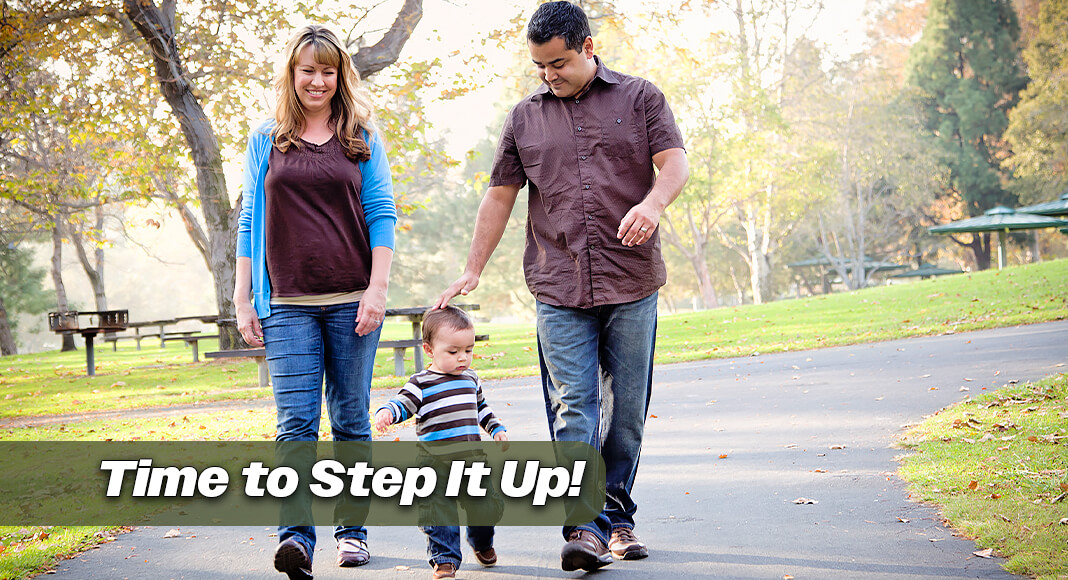
Many people have probably heard that you’re supposed to walk at least 10,000 steps a day to help stay healthy but new research shows you can see benefits with even less. Image for illustration purposes

- Advertisement -

CLEVELAND CLINIC – Many people have probably heard that you’re supposed to walk at least 10,000 steps a day to help stay healthy but new research shows you can see benefits with even less. 

Tamanna Singh, MD. Image Courtesy of Cleveland Clinic

“We’ve seen benefits from cardiovascular risk reduction for steps as low as 3,500 to 5,000. And certainly, as you get incremental increases in steps, every 1,000 step increment actually correlates to about a 15% reduction in cardiovascular risk. So, it all comes down to what I think most of us already know, the more movement, the better for your heart,” said Tamanna Singh, MD, sports cardiologist at Cleveland Clinic.

Dr. Singh was not part of the study but said walking is a great form of exercise. 

- Advertisement -

It can help lower your blood pressure, blood sugar levels, cholesterol, and can also strengthen your muscles and bones. 

It’s convenient too since it can be done anywhere.

For example, if you’re at work, you could take a couple of laps around your office or walk outside during lunch. 

You could also take the stairs instead of the elevator. 

- Advertisement -

Speed doesn’t matter either. 

Dr. Singh said it’s okay to start slow and adjust as needed. 

“Walking is really a very sustainable means to incorporate exercise. If you want to build on top of that, certainly. I love running. I love biking. I think all those activities are great. And your heart really doesn’t care what you do, as long as you do something that is enough to help your heart rate come up, help your blood pressure appropriately rise, help you get a little bit of a sweat, challenge your body. And if you can do all of that with walking, why not?,” said Dr. Singh.

Dr. Singh said walking is generally safe for most people. 

However, if you have an injury or some other medical condition you are concerned about, it’s best to consult with your physician. 

- Advertisement -
- Advertisement -

- Advertisement -

More Articles

DHR Health Backs Education at 30th Annual VAMOS Golf Tournament

The Valley Alliance of Mentors for Opportunities and Scholarships (VAMOS) will hold a press conference on Wednesday, January 28, 2026, at 10:00 a.m. at the Edinburg Conference Center at Renaissance, located at 118 Paseo Del Prado, Edinburg, TX 78539,  to announce DHR Health as the Presenting Sponsor of the 30th Annual VAMOS Golf Tournament, scheduled for Saturday, March 7, 2026 at Champion Lakes Golf Course in McAllen, Texas. This is the organization’s largest fundraiser and one of the most anticipated charitable sporting events in the region.

Abdominal Muscle Quality Identified as Major Factor in Fall Risk

Artificial intelligence (AI) applied to abdominal imaging can help predict adults at higher risk of falling as early as middle age, a new Mayo Clinic study shows.

Abbott Directs State Agencies to Probe Possible Medicaid Fraud

Governor Greg Abbott sent a letter directing the Texas Health and Human Services (HHS) Office of Inspector General and the Texas Health and Human Services Commission (HHSC) to launch investigations into potential Medicaid fraud in Texas to safeguard taxpayer funds, maintain access for eligible Texans, and ensure efficient, high-quality healthcare delivery.

Algorithm Forecasts Decades‑Long Mortality Outcomes in Prostate Cancer

Prostate cancer is the second-leading cause of cancer death in American men.
- Advertisement -
×

