









Mega Doctor News
Mega Doctor News
A new federal report has sparked renewed debate over the causes of autism in the United States. On April 15, 2025, the Centers for Disease Control and Prevention (CDC) released the latest findings from its Autism and Developmental Disabilities Monitoring (ADDM) Network, showing that autism prevalence among 8-year-olds born in 2014 has risen to 1 in 31 children. This marks a sharp increase from 1 in 36 two years earlier and is nearly five times higher than the CDC’s first autism survey of children born in 1992, which showed a prevalence of 1 in 150.
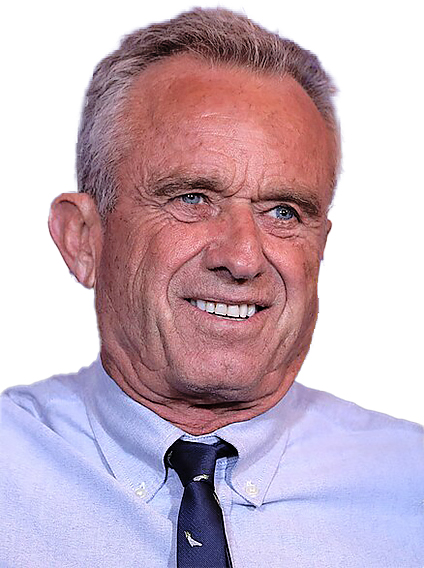
“This is an epidemic that is running rampant,” said Health and Human Services (HHS) Secretary Robert F. Kennedy Jr. in a statement accompanying the report. “One in 31 American children born in 2014 are disabled by autism. That’s up significantly from two years earlier and nearly five times higher than when the CDC first started running autism surveys in children born in 1992. Prevalence for boys is an astounding 1 in 20, and in California, it’s 1 in 12.5” (HHS press release, April 16, 2025).

The CDC’s 2022 survey, conducted across 16 monitoring sites nationwide, also revealed concerning trends in severity. Nearly two-thirds of children identified with autism spectrum disorder (ASD) had either severe or borderline intellectual disability, while the proportion of cases with higher IQs above 85 has steadily declined over the past six ADDM reports to 36.1% in this latest study.
Minority children were more severely affected. The report noted autism prevalence rates of 3.66% among Black children, 3.82% among Asian children, and 3.30% among Hispanic children, compared to 2.77% among White children. The severity gap was also notable: 78.9% of Black children with autism had severe or borderline intellectual disability, compared to 55.6% of White children.
Kennedy described these findings as a national emergency: “The autism epidemic has now reached a scale unprecedented in human history because it affects the young. The risks and costs of this crisis are a thousand times more threatening to our country than COVID-19. Autism is preventable, and it is unforgivable that we have not yet identified the underlying causes. We should have had these answers 20 years ago” (HHS press release).
During a Cabinet meeting earlier this year, Kennedy assured President Donald Trump that the Department of Health and Human Services would expedite efforts to identify the root causes of autism. “By September, we will know what has caused the autism epidemic and we’ll be able to eliminate those exposures,” Kennedy promised, adding, “We are assembling teams of world-class scientists to focus research on the origins of the epidemic.”
The HHS announcement comes as new research adds to the discussion. A study published this month in the peer-reviewed journal BMC Environmental Health reviewed dozens of studies on prenatal acetaminophen exposure and autism risk. The authors concluded that higher-quality studies were more likely to report associations, urging “cautious, time-limited use under medical supervision.” Although not an official guideline, the findings could “prove valuable to the Department of Health and Human Services’ campaign to narrow down the possible causes of autism,” the report noted. Source: https://www.mountsinai.org/about/newsroom/2025/mount-sinai-study-supports-evidence-that-prenatal-acetaminophen-use-may-be-linked-to-increased-risk-of-autism-and-adhd?utm_source=chatgpt.com
The latest ADDM findings emphasize a need for clarity. As Kennedy said, “President Trump has tasked me with identifying the root causes of the childhood chronic disease epidemic—including autism.” With HHS promising preliminary answers by September, the debate over whether environmental exposures, diagnostic changes, or a combination of both explain the rise in autism is set to intensify in the coming months.
Additional information:
Acetaminophen is an over-the-counter (OTC) pain reliever and fever reducer in most countries.
• In the United States and Canada, it is commonly sold under the brand name Tylenol, as well as in numerous generic versions labeled simply as Acetaminophen.
• In most of Europe, Asia, Africa, and Latin America, the same drug is known as Paracetamol, with brand names including Panadol, Calpol (for children), and many store-brand generics.


