








loader image
Thursday, February 12, 2026
73.6 F
McAllen
- Advertisement -

How Exercise Can Help You Get a Better Night’s Rest

Translate to Spanish or other 102 languages!

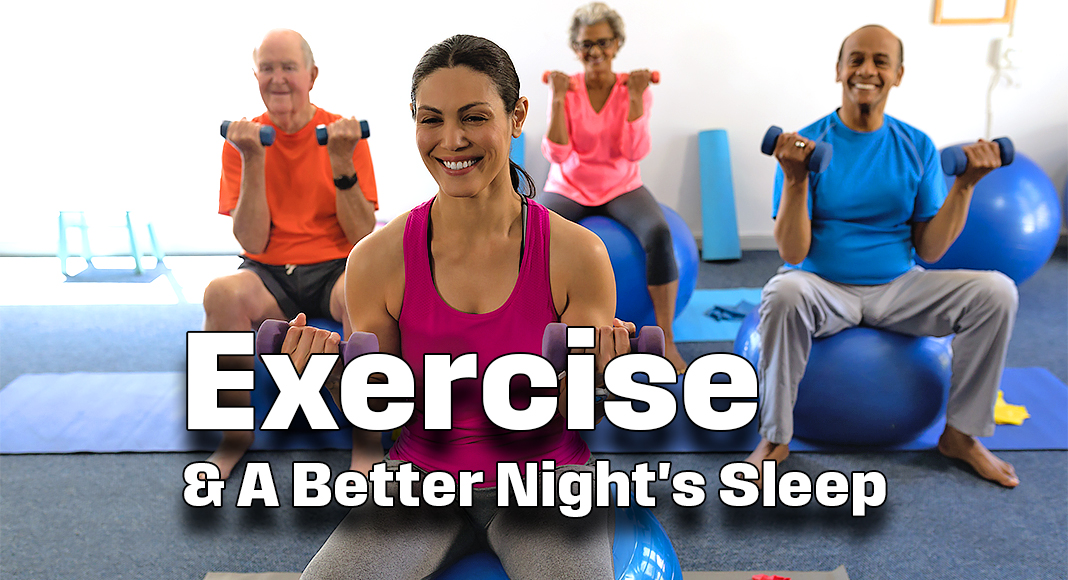
“In the short term, exercise boosts our wake drive a little bit. But in the long term, meaning over the course of the day, exercise is going to boost our sleep drive as well,” explained Alicia Roth, PhD, sleep psychologist for Cleveland Clinic. Image for illustration purposes
- Advertisement -

CLEVELAND CLINIC – Find yourself tossing and turning at night?

Getting up and moving throughout the day may be key to helping you get a better night’s rest.

“In the short term, exercise boosts our wake drive a little bit. But in the long term, meaning over the course of the day, exercise is going to boost our sleep drive as well,” explained Alicia Roth, PhD, sleep psychologist for Cleveland Clinic.

- Advertisement -

Any type of physical activity may help with insomnia, according to Dr. Roth.

Whether it’s cardio, strength training or simply walking your dog – consistently moving your body each day is crucial.

In fact, those in a recent study who were persistently active were 55% more likely to be normal sleepers.

Dr. Roth, who was not involved in the study, stressed the time of day you exercise doesn’t matter too much, but you want to avoid strenuous activity at least an hour before bed.

- Advertisement -

Although being active can increase your sleep drive, you may still struggle to get a good night’s rest because of a broader sleep issue.

“Any sleep problem, unfortunately, is very multidimensional. There’s a lot that goes in to having a sleep problem, so there’s never going to be one thing that cures your sleep issues,” Dr. Roth said. “It’s probably going to be a mix of things you change or a mix of new habits you develop.”

Dr. Roth added it’s best to seek help from an expert if you’re consistently experiencing issues with your sleep.


- Advertisement -
- Advertisement -

- Advertisement -

More Articles

Researchers Identify Ancestry‑Specific Risk Factors for IBD in Hispanic Populations

Hispanic patients with inflammatory bowel disease (IBD) can experience very different disease patterns depending on whether they have higher African or Amerindian genetic ancestry, according to a large multicenter study led by Cedars-Sinai.

Unexpected Cancer Drug Combo Shows Stronger Results Against Ovarian Tumors

A new study published by Mayo Clinic researchers suggests that ovarian cancer cells quickly activate a survival response after PARP inhibitor treatment, and blocking this early response may make this class of drugs work better.

Frontal Cortex Signal Found to Drive OCD Symptoms, Study Shows

A specific pattern of brain activity in a frontal brain region is linked to compulsive behaviors like excessive hand washing, chronic hair-pulling, and skin-picking in people with obsessive compulsive disorder, according to new research from the Perelman School of Medicine at the University of Pennsylvania.

How serious are heart palpitations?

Mega Doctor News By American Heart Association Heart palpitations – a sensation that...
- Advertisement -
×
