







Mega Doctor News

AMERICAN RED CROSS – As extreme heat blankets the Texas Gulf Coast Region, the American Red Cross is asking residents to take three steps to stay safe: slow down, stay hydrated and spend time indoors.
Heat is more than uncomfortable, it can be deadly, especially for older adults, the very young and those with chronic medical conditions. Last year, some 2,300 heat-related deaths occurred. To help stay safe, the Red Cross recommends that people take three steps:
- Slow down by postponing or limiting outdoor activities, including strenuous exercise. If you must work outdoors, take frequent breaks and avoid the hottest part of the day by scheduling tasks earlier or later. Hot cars can be deadly — never leave children or pets in your vehicle alone.
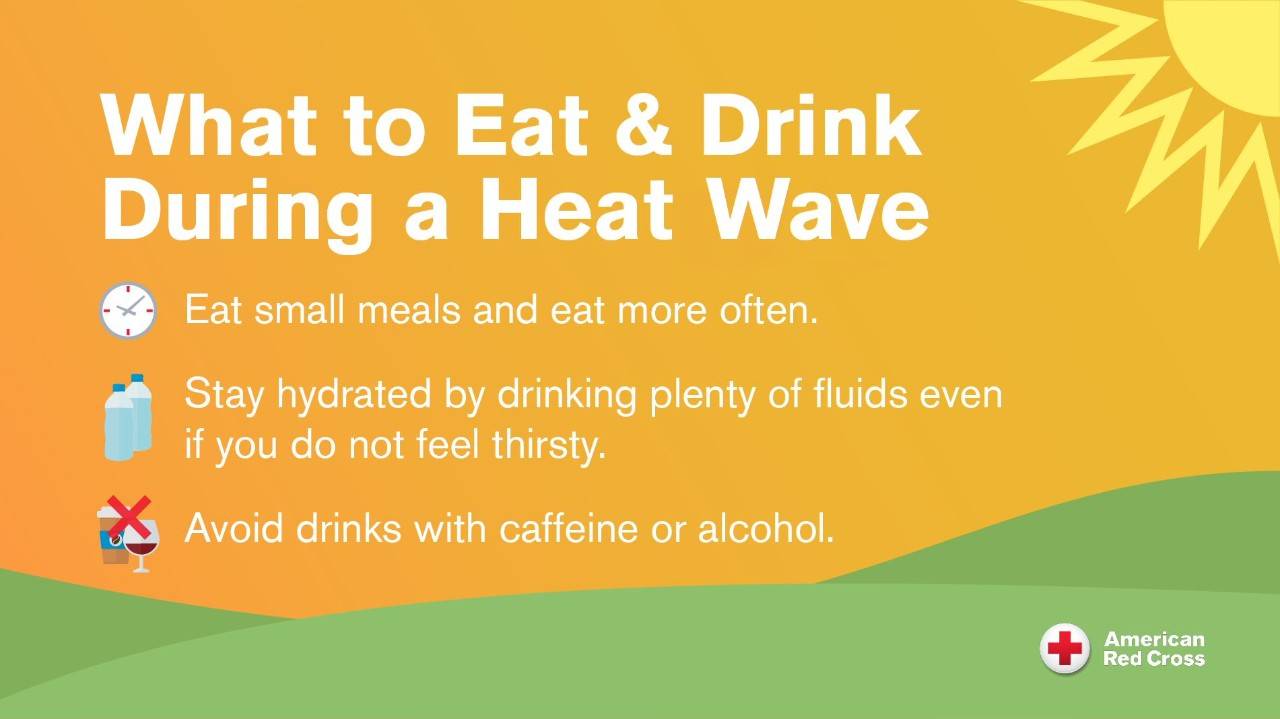
- Stay hydrated by drinking plenty of water and avoiding sugary, caffeinated and alcoholic drinks. Check that animals also have access to plenty of fresh water and shade.
- Spend time indoors in an air-conditioned place. If you don’t have air conditioning, go to a public library, shopping mall or a public cooling center. Call 211 to find an open location. Check on loved ones and neighbors who may be at risk and do not have air conditioning to make sure they are safe.
Unusually hot days and heat waves are both a natural part of weather patterns, however, since the 1960s, heat waves have become more frequent and intense and are lasting longer in the U.S. As the climate crisis worsens, 2023 was the hottest year on record, scientists warn that 2024 could break records for a second year in a row.

As heat waves become more common and last longer, heat-related deaths are also on the rise. Heat illness can be prevented, and the Red Cross recommends learning the warning signs and how to help so you can act fast.
Heat cramps are an early sign of trouble and include heavy sweating with muscle pains or spasms. To help, move the person to a cooler place and encourage them to drink water or a sports drink. Get medical help if symptoms last longer than an hour or if the person has heart problems.
Heat exhaustion is a more severe condition signaled by heavy sweating; cool, pale and clammy skin; a fast or weak pulse; nausea or vomiting; muscle cramps; tiredness or weakness; or a headache, dizziness or passing out. To help, move the person to a cooler place, loosen tight clothing, encourage them to sip water slowly. Use wet cloths, misting or fanning to help cool them off. Get medical help right away if symptoms get worse or last longer than an hour, or if they begin vomiting or acting confused.
Heat stroke is a deadly condition that requires immediate medical help. Symptoms include a high body temperature; hot, red, dry or damp skin; a fast or strong pulse; a headache or dizziness; or nausea, confusion and passing out. Call 911 right away if you think someone may have heat stroke. After calling 911, move the person to a cool place, anduse wet cloths, misting or fanning to help cool them off. Do not give the person anything to drink.
Heat can make anyone ill, but older adults, the very young, pregnant women and those with chronic medical conditions are more at risk. People who work outdoors, have limited personal resources and live in places that lack green spaces are also at higher risk.
Download the free Red Cross First Aid app so you’ll know what to do if emergency help is delayed and the free Emergency app for real-time weather alerts and heat safety information. Content is available in English and Spanish with an easy-to-find language selector. Find both apps in smartphone app stores by searching for the American Red Cross or going to redcross.org/apps.


