








loader image
Wednesday, January 28, 2026
71.2 F
McAllen
- Advertisement -

How Does Diabetes Affect Wound Healing?

Translate to Spanish or other 102 languages!

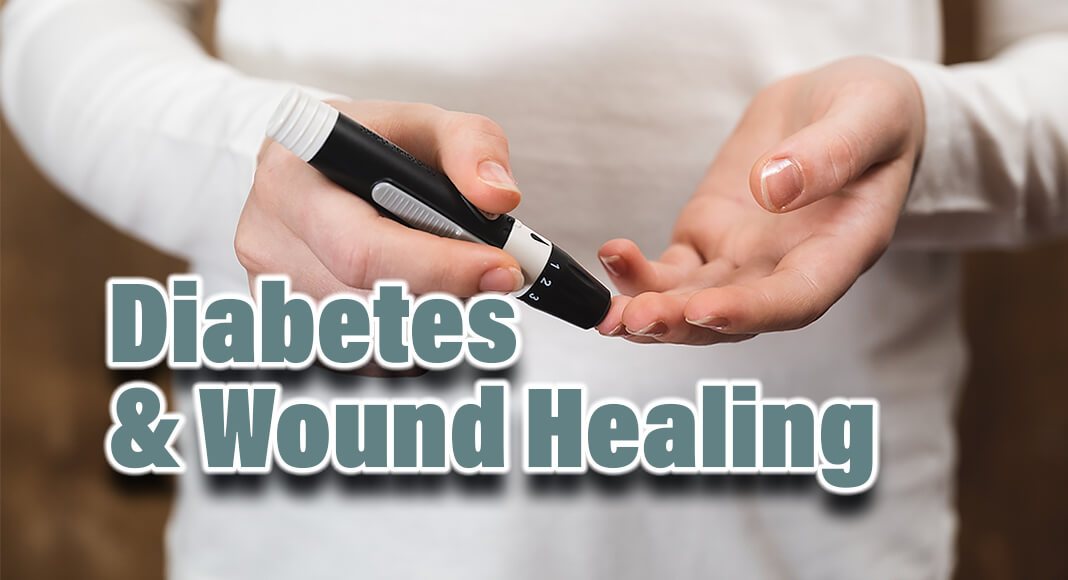
A person who manages their diabetes well can improve the rate at which wounds heal and reduce the likelihood of a severe infection. Image for illustration purposes

Medical News Today

- Advertisement -

In people with diabetes, wounds can take longer to heal. These wounds often appear on the feet and legs. This slow healing can increase the risk of developing infections and other complications.

A person who manages their diabetes well can improve the rate at which wounds heal and reduce the likelihood of a severe infection.

Follow the link below to read the full story on Medical News Today:

- Advertisement -

https://www.medicalnewstoday.com/articles/320739

Information Source: https://www.medicalnewstoday.com

- Advertisement -

- Advertisement -

- Advertisement -

More Articles

New Data Shows Nursing Homes Strengthening Workforce Despite Ongoing Shortages 

 The American Health Care Association (AHCA), the nation’s largest organization representing long term and post-acute care providers, released updated data showing that nursing homes continue to make progress in strengthening their workforce.

Three Travel‑Related Measles Cases Prompt Health Alert in West Texas

The Texas Department of State Health Services is announcing three confirmed cases of measles in non-Texas residents who spent time in Reeves and Ward counties.

Measles Cases in South Carolina Surpass West Texas Outbreak as Numbers Climb Rapidly

A rapidly growing measles outbreak in South Carolina has now sickened at least 789 people — surpassing the 2025 West Texas outbreak and making it one of the largest U.S. measles outbreaks in decades.

Altered Sleep–Wake Cycles Linked to Dementia Development

isruptions in patterns of daily activity and rest may provide early clues to heightened dementia risk, a study co-led by a UT Southwestern Medical Center scientist found. The research, published in Neurology, suggests data from a widely used heart monitor could help identify circadian rhythm changes associated with dementia in older adults. 
- Advertisement -
Ă—

