



Mega Doctor News


By Cedars-Sinai
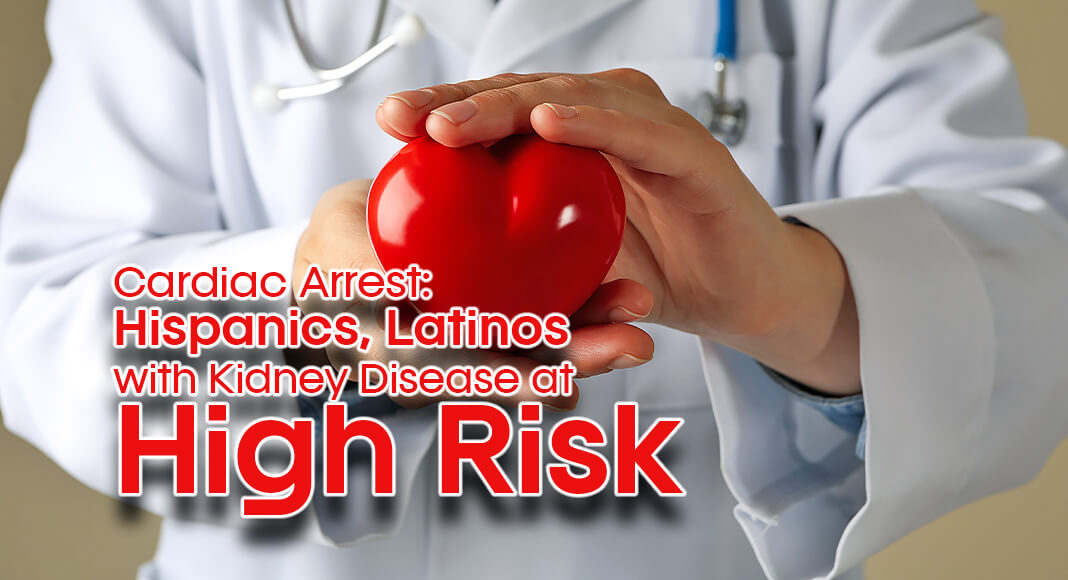
Newswise — LOS ANGELES – Hispanics and Latinos with chronic kidney disease are at significant risk for suffering from sudden cardiac arrest, according to a new study from the Smidt Heart Institute at Cedars-Sinai.
During sudden cardiac arrest, the heart unexpectedly stops beating.
“Because people who experience sudden cardiac arrest have a survival rate of less than 10%, prevention is extremely important,” said Kyndaron Reinier, PhD, associate director of Epidemiology in the Center for Cardiac Arrest Prevention at the Smidt Heart Institute and lead author of the study published in the Journal of the American Heart Association.
“This study highlights the importance for Hispanic and Latino individuals with chronic kidney disease to understand their risk of sudden cardiac arrest, and to closely monitor and manage their renal disease with their medical care team.”
The study also reports that Hispanics and Latinos with cardiovascular disease have an increased risk of sudden cardiac arrest.
The research was conducted as part of an ongoing study called the Prediction of Sudden Death in Multi-Ethnic Communities (PRESTO) that is led by Sumeet Chugh, MD, director of the Center for Cardiac Arrest Prevention in the Smidt Heart Institute. Investigators involved are gathering data on people in Ventura County, California, who experience sudden cardiac arrest. The goal is to learn about possible causes for this often-fatal event.
In this study, investigators reviewed information from 1,468 adults in Ventura County who had sudden cardiac arrest between 2015 and 2021. From this cohort, they extracted data from 295 people who were Hispanic or Latino.
To create a comparison group, investigators looked at data from 3,033 Hispanic and Latino adults who participated in the San Diego site of a study called the Hispanic Community Health Survey/Study of Latinos. Participants in the Hispanic Community Health Survey study completed one medical examination between 2008 and 2011 and another between 2014 and 2017. Investigators selected 590 people from this cohort to compare with the group that had experienced sudden cardiac arrest.
The investigators took into account age, sex, and other variables when comparing people who suffered sudden cardiac arrest with those who did not.
They found that people who suffered sudden cardiac arrest were more likely than people who did not suffer sudden cardiac arrest to have had chronic kidney disease, a stroke, atrial fibrillation, coronary artery disease, heart failure, diabetes or to have been heavy drinkers.
Of the people who had sudden cardiac arrest, 51% had a prior diagnosis of chronic kidney disease, and 20% were on dialysis at the time of the event.
“This study is the first we know of to analyze risk factors for sudden cardiac arrest among U.S. Hispanic and Latino individuals,” said Chugh, the Pauline and Harold Price Chair in Cardiac Electrophysiology Research and senior author of the study.
Reinier said she hopes the findings spur research into the connection between chronic kidney disease and sudden cardiac arrest.
Cedars-Sinai investigators Harpriya Chugh; Arayik Sargsyan, MD; Kotoka Nakamura, PhD; Faye Norby, PhD; and Audrey Uy-Evanado, MD, also worked on the study.
Funding: The PRESTO study was funded, in part, by the National Heart, Lung, and Blood Institute.
The Hispanic Community Health Survey/Study of Latinos study was supported by the National Heart, Lung, and Blood Institute; National Institute on Minority Health and Health Disparities; National Institute on Deafness and Other Communication Disorders; National Institute of Dental and Craniofacial Research; National Institute of Diabetes and Digestive and Kidney Disease; National Institute of Neurological Disorders and Stroke; and the Office of Dietary Supplements.
Read more on the Cedars-Sinai Blog: New Research on Sudden Cardiac Arrest Shows Racial Gap