








Mega Doctor News
STHS McAllen’s Level I Trauma Center plays a vital role as part of the South Texas Health System Trauma & Critical Care Institute, the largest and most comprehensive trauma and critical care network in the Valley
It’s a simple fact: a traumatic injury can happen in a moment’s notice. Whether caused by a motor vehicle accident, sports injury, fall or another type of accident, it can take months, even years, of ongoing medical treatment and support to recover.
Each year, 40 million Americans are rushed to the emergency room due to traumatic injuries, according to the Centers for the Disease Control and Prevention, with about 2.6 million of them requiring hospitalization for additional treatment and observation, making trauma a leading cause of death and disability.

In the event of a traumatic event, Rio Grande Valley residents can continue to depend on South Texas Health System McAllen to provide the highest level of trauma and critical care.
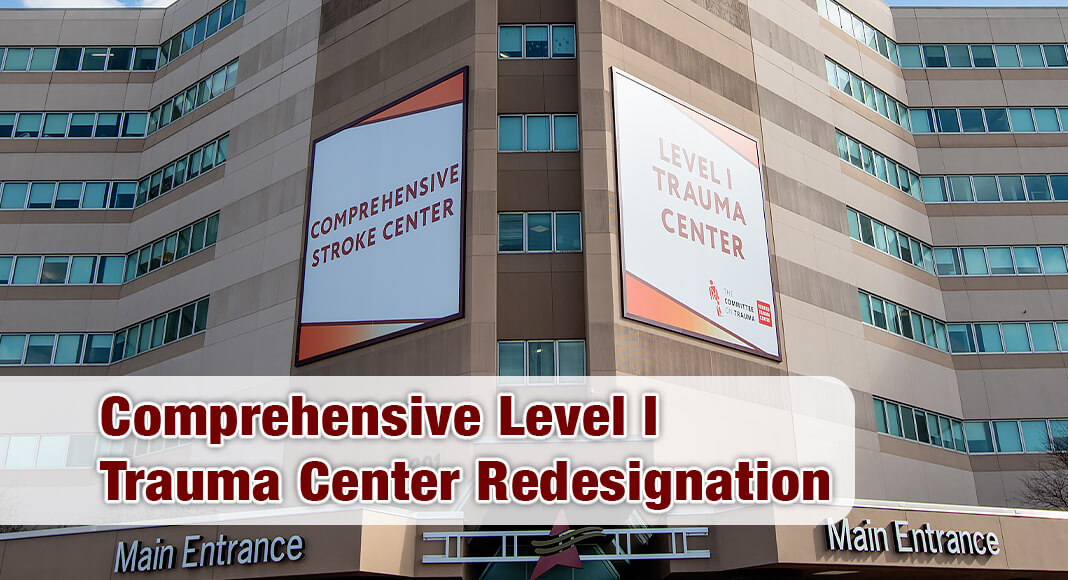
The facility recently earned its Comprehensive Level I Trauma Center redesignation from the Texas Department of State Health Services, which signifies STHS McAllen’s ability to provide the most comprehensive trauma and critical care 24 hours a day, seven days a week for every aspect of injury – from prevention and treatment to surgery and rehabilitation.
“This achievement is a testament to the unwavering commitment of STHS McAllen’s trauma team, including ourphysicians, nurses, respiratory therapists, radiology technologists and other support staff, to providing quality, compassionate trauma and critical care to patients requiring swift medical attention, as well as the facility’s dedication to advancing clinical excellence, fostering innovation and strengthening collaboration across all disciplines to ensure positive patient outcomes,” says Emma Montes-Ewing, Chief Executive Officer, STHS McAllen. “I’m extremely proud of the entire team at STHS McAllen for their passion in helping transform trauma care in the Rio Grande Valley.”
As outlined by the American College of Surgeons’ Committee on Trauma, who verified STHS McAllen’s Trauma Center status in June, a Level I Trauma Center provides the highest level of surgical care to trauma patients. It has a full range of specialists and equipment available 24 hours a day and must admit at least 1,200 trauma patients a year or have 240 admissions with an Injury Severity Score of more than 15 for adults. Throughout the years, STHS McAllen has exceeded these minimum requirements, admitting more than 1,250 trauma patients annually.
STHS McAllen plays a significant role in South Texas Health System’s commitment to providing close-to-home emergency care throughout the Rio Grande Valley. The facility’s Level I Trauma Center forms part of the STHSTrauma & Critical Care Institute, the largest integrated network of trauma and critical care in the four-county region.
Comprised of the system’s 11 emergency departments, including seven freestanding emergency departments, theinstitute provides the most comprehensive emergency medical attention to help treat critical injuries threatening life or limbs. If necessary, staff can swiftly stabilize and transfer high-risk patients to STHS McAllen for the highest level of trauma care.
“This Level I Trauma Center redesignation by the State of Texas, coupled with South Texas Health System’s network of emergency departments across the region, demonstrates STHS McAllen’s commitment to providinghigh-quality trauma and critical care to patients in their moment of need,” says Carlos Palacio, MD, Chief of Medical Staff, South Texas Health System. “It’s an honor to be a part of a healthcare system that commits the resources required to provide first-rate patient care that helps improve health outcomes for the people of the Rio Grande Valley.”
The redesignation of STHS McAllen, which first earned its Level I Trauma designation in the fall of 2022, is valid through November 2028.
In addition to its Level I Trauma Center, STHS McAllen is home to a Comprehensive Stroke Center and an accredited chest pain center. The facility actively advocates for trauma system development and works to improve the availability and quality of trauma care as an active member of the Lower Rio Grande Valley Regional Advisory Council.
To learn more about STHS McAllen and the services it provides, visit www.sthsmcallen.com.


