







Mega Doctor News

By Iowa State University
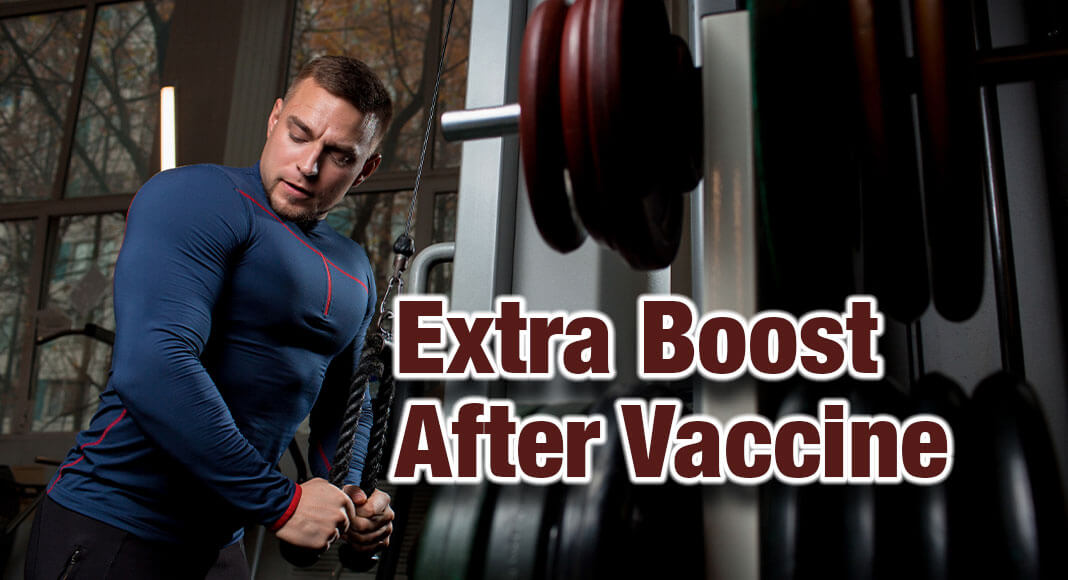
Newswise — AMES, IA — Researchers at Iowa State University found 90 minutes of mild- to moderate-intensity exercise directly after a flu or COVID-19 vaccine may provide an extra immune boost.
In the newly published study, participants who cycled on a stationary bike or took a brisk walk for an hour-and-a-half after getting a jab produced more antibodies in the following four weeks compared to participants who sat or continued with their daily routine post-immunization. The researchers found similar results when they ran an experiment with mice and treadmills.

Antibodies are essentially the body’s “search and destroy” line of defense against viruses, bacteria, fungi and parasites. Vaccines help the immune system learn how to identify something foreign and respond by bolstering the body’s defenses, including an increase in antibodies.
“Our preliminary results are the first to demonstrate a specific amount of time can enhance the body’s antibody response to the Pfizer-BioNtech COVID-19 vaccine and two vaccines for influenza,” said Kinesiology Professor Marian Kohut, lead author of the paper published in the journal Brain, Behavior, and Immunity.
The researchers said the study’s findings could directly benefit people with a range of fitness levels. Nearly half of the participants in the experiment had a BMI in the overweight or obese category. During 90 minutes of exercise, they focused on maintaining a pace that kept their heart rate around 120–140 beats per minute rather than distance.
In the study, the researchers also tested whether participants could get the same bump in antibodies with just 45-minutes of exercising. They found the shorter workout did not increase the participants’ antibody levels. Kohut said the research team may test whether 60 minutes is enough to generate a response in a follow-up study.
Why the boost?
As to why prolonged, mild- to moderate-intensity exercise could improve the body’s immune response, Kohut said there may be multiple reasons. Working out increases blood and lymph flow, which helps circulate immune cells. As these cells move around the body, they’re more likely to detect something that’s foreign.
Data from the mouse experiment also suggested a type of protein (i.e., interferon alpha) produced during exercise helps generate virus-specific antibodies and T- cells.
“But a lot more research is needed to answer the why and how. There are so many changes that take place when we exercise – metabolic, biochemical, neuroendocrine, circulatory. So, there’s probably a combination of factors that contribute to the antibody response we found in our study,” said Kohut.
The researchers are continuing to track the antibody response in the participants six months post-immunization and have launched another study that focuses on exercise’s effects on people who receive booster shots.


