Mega Doctor News

by Rutgers University-New Brunswick
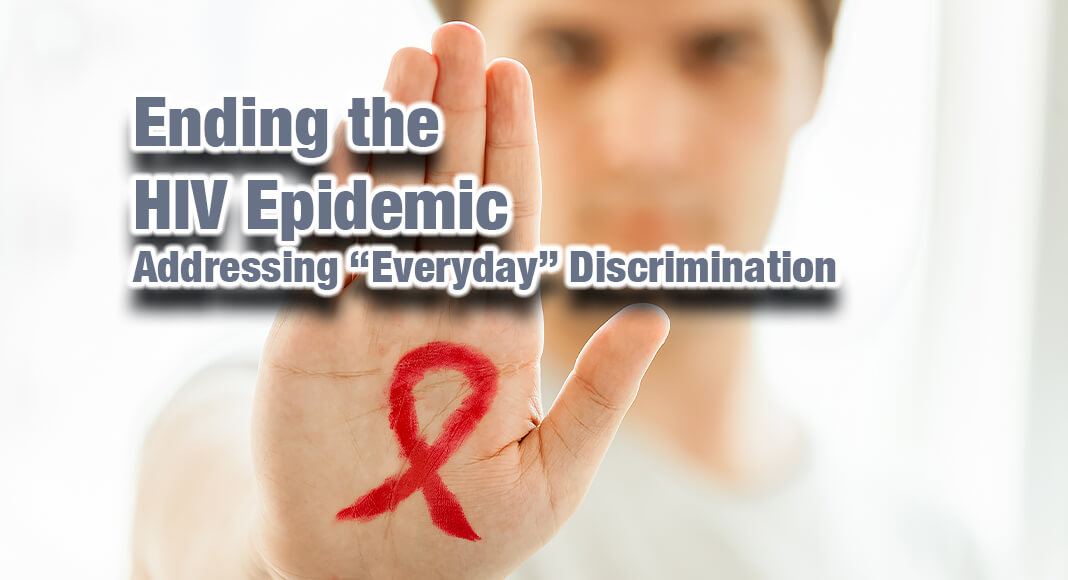
Newswise — Latino sexual minority men who experience racial, ethnic and sexual prejudice are more likely to delay HIV testing, complicating efforts to end the more than 40-year epidemic, according to a new Rutgers study.
“Total HIV infection rates in the United States are stabilizing, which is good news,” said Gabriel Robles, an assistant professor at the Rutgers School of Social Work and coauthor of the paper published in the journal AIDS Education and Prevention. “What’s bad is that the trend for some subgroups, including some Latino/x sexual minority men, is going in the opposite direction. Our study offers a possible explanation.”

In a nationally representative study of 484 Latino sexual minority men and Latinx individuals, Rutgers researchers found a strong correlation between discrimination and delayed HIV testing. (The researchers adopted the term “Latino/x” to reflect participants who use the traditional term “Latino” and those who have adopted “Latinx”). Everyday discrimination – perceived bias based on race, ethnicity or sexual orientation during day-to-day life – may be one reason why this is occurring, researchers said.
To end the HIV epidemic in the U.S., a goal health authorities believe is possible by 2030, early detection is essential. But for some of the most vulnerable populations, testing frequency is falling far short of what’s needed. Delays in testing can increase the likelihood of transmission for those unaware of their HIV status.
Despite effective technologies to limit the virus’ spread, new HIV infections are increasing for some vulnerable populations while testing rates lag. Robles and Yong Gun Lee, a postdoctoral associate at the Rutgers School of Social Work and the study’s lead author, said discrimination might be a barrier to testing frequency.
To confirm their theory, the researchers analyzed data from a 2018-2019 national survey of sexual health and relationships among partnered Latino/x sexual minority men. That survey, which Robles conducted, asked respondents about experiences with discrimination and how often they tested for HIV.
Through multinomial regression analyses, the researchers found that discrimination and testing were linked.
“Compared with participants who were most recently tested within the past six months, those tested longer than 12 months were significantly more likely to have experienced discrimination based on both sexual orientation and race/ethnicity,” they wrote.
The researchers also found delayed testing was most common for Latino sexual minority men and Latinx individuals born outside the U.S., suggesting that migration status may be an additional barrier.
More research is needed to determine a definitive causal link between discrimination and HIV testing, said the authors. But previous work had linked poor health outcomes with discrimination in medical care settings. Particularly for migrants, access to care and services can be difficult because of language, culture and cost.
“We have the technology to stop this epidemic; it’s things like this that are going to get in the way,” said Robles. “How can we bring the available medical technology to communities that need it? Only when we navigate psychosocial barriers will 2030 begin to look like a realistic goal.”