






Mega Doctor News

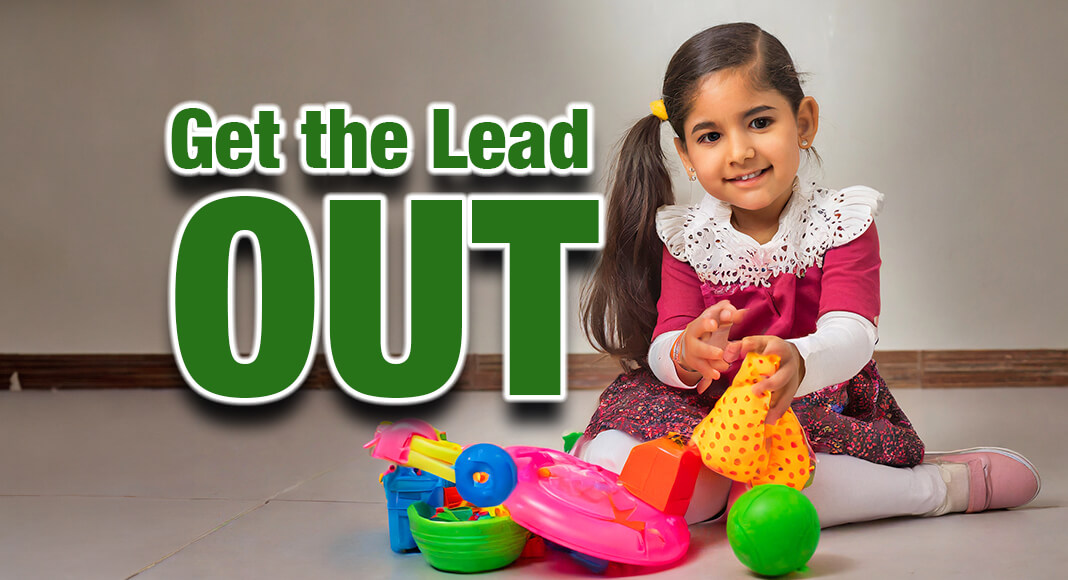
Protect children from exposure to lead in metal and plastic toys, especially some imported toys, antique toys, and toy jewelry. Childhood lead exposure is preventable.
Many children get toys and toy jewelry as gifts during the holiday season. Some toys, especially some imported toys, antique toys, and toy jewelry may contain lead. Although lead is invisible to the naked eye and has no smell, exposure to lead can seriously harm a child’s health. Young children tend to put their hands, toys, or other objects―which may be made of lead or contaminated with lead or lead dust―into their mouths. If you have a small child in your household, make sure the child does not have access to toys, jewelry, or other items that may contain lead.
Protect children from exposure to lead in metal and plastic toys, especially some imported toys, antique toys, and toy jewelry. Childhood lead exposure is preventable.

Many children get toys and toy jewelry as gifts during the holiday season. Some toys, especially some imported toys, antique toys, and toy jewelry may contain lead. Although lead is invisible to the naked eye and has no smell, exposure to lead can seriously harm a child’s health. Young children tend to put their hands, toys, or other objects―which may be made of lead or contaminated with lead or lead dust―into their mouths. If you have a small child in your household, make sure the child does not have access to toys, jewelry, or other items that may contain lead.
How can I test a toy for lead?
Only a certified laboratory can accurately determine how much lead is in a toy. Although do-it-yourself kits indicating the presence of lead are available, they do not show how much lead is present and their reliability at detecting low levels of lead has not been determined. The CPSC asks that parents check for possible recalls of their children’s toys and take the toys away immediately if they have been recalled.
What should I do if I am concerned about my child’s exposure to lead in a toy?
If you think your child has been exposed to a toy containing lead, or if your child has a recalled toy, take away the toy immediately and contact your child’s healthcare provider. Most children who are exposed to lead have no symptoms. A blood lead test is the best way to find out if your child has been exposed to lead. Your child’s healthcare provider can help you decide whether a blood lead test is needed and can recommend appropriate follow-up actions if your child has been exposed. As levels of lead in the blood increase, adverse effects from lead may also increase.
Lead in Toy Jewelry
What are the effects of wearing toy jewelry?
Just wearing toy jewelry that contains lead will not cause your child to have a high level of lead in their blood. However, young children often place their toys, fingers, and other objects in their mouths as a part of their normal development. Chewing, sucking on or swallowing toy jewelry that contains lead will expose your child to lead.
Make sure children in your home do not have access to jewelry or other items that may contain lead. Additionally, regularly washing children’s toys and hands can help reduce their risk of exposure to lead.
Information Source: CDC


