








Early Signs of Schizophrenia: What to Look For

Translate to Spanish or other 102 languages!

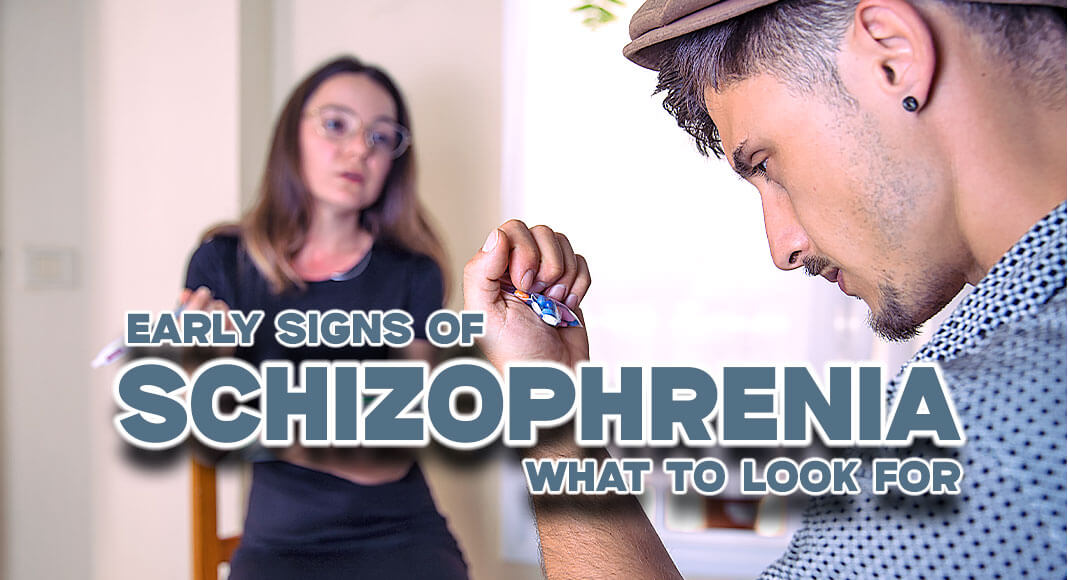
Schizophrenia is a mental health condition associated with delusions, hallucinations, “negative” symptoms, and cognitive decline. Image for illustration purposes

Medical News Today

- Advertisement -

People with schizophrenia may not show any signs leading up to the condition’s onset. When they do occur, they can vary widely. They may include changes in personal hygiene habits or a loss of interest in activities. 

Schizophrenia is a mental health condition associated with delusions, hallucinations, “negative” symptoms, and cognitive decline. The condition can majorly affect a person’s overall well-being and their work, schooling, and home life. 

Follow the link below to read the full story on Medical News Today:

- Advertisement -

https://www.medicalnewstoday.com/articles/early-signs-of-schizophrenia?utm_source=Sailthru%20Email&utm_medium=Email&utm_campaign=MNT%20Daily%20News&utm_content=2023-06-07&apid=&rvid=4ba4ec80177cae00eabc43b8bc6648d598c4a356d104663735777e0a0f8b5c9f

Information Source: https://www.medicalnewstoday.com

- Advertisement -

- Advertisement -

- Advertisement -

More Articles

Why do I have stomach pain with Wegovy?

Mega Doctor News Medical News Today Stomach pain is a common side effect...

What Parents Should Know About RSV

Respiratory syncytial virus (RSV) is a common virus that affects the upper respiratory system, which includes the nose and throat, and the lower respiratory system, which includes the lungs.

Adult-Onset Allergies Are More Common Than You Think

Many people think allergies are something you either have as a child or you don’t – but experts say that’s not always the case.

New Study Shows Wide Variation in Telemedicine Use Among Patient Groups

Use of telemedicine spiked amid the COVID-19 pandemic, but is still used significantly more in the years following crisis compared to the time before, new analysis from Penn Medicine researchers shows.
- Advertisement -

