Mega Doctor News

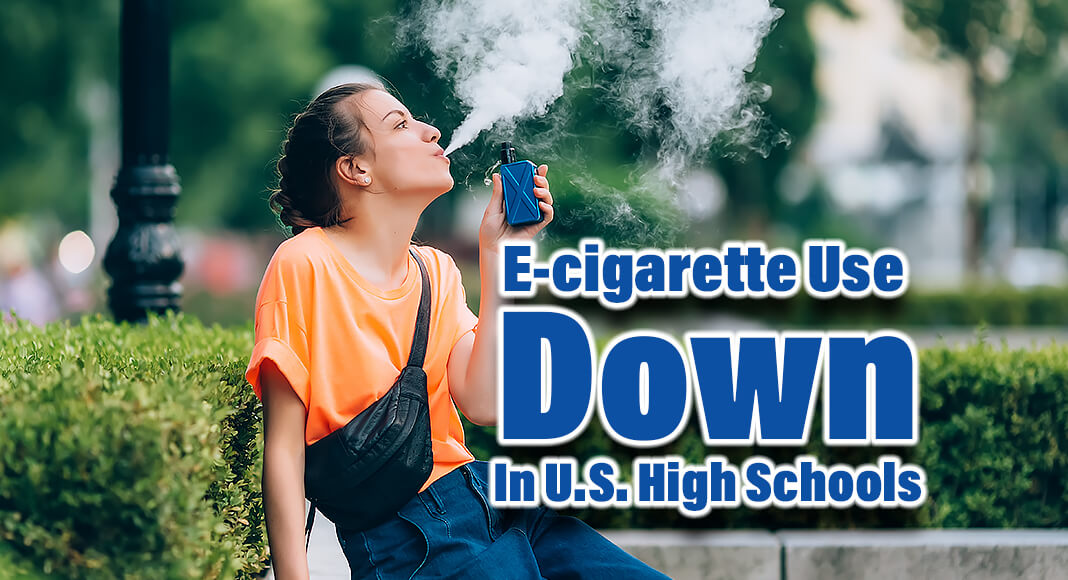
A study released today from the U.S. Centers for Disease Control and Prevention (CDC) and the U.S. Food and Drug Administration shows that, among high school students, current (past 30-day) use of any tobacco product declined during 2022-2023 (16.5% to 12.6%), primarily driven by a decline in e-cigarette use (14.1% to 10.0%). Declines also occurred for use of any combustible tobacco product, including cigars, among high school students.
Among middle school students, significant increases occurred during 2022-2023 in current use of at least one tobacco product (4.5% to 6.6%) and the use of multiple tobacco products (1.5% to 2.5%). However, no other significant changes occurred during 2022-2023 for any individual tobacco product type, including e-cigarettes, among middle school students.
For the 10th year, e-cigarettes have been the most commonly used tobacco product among both middle and high school students. Youth e-cigarette use remains a critical public health concern, as approximately half of students who evertried e-cigarettes reported currently using them, indicating that many youth who try e-cigarettes remain e-cigarette users. Additionally, among students reporting current e-cigarette use, about a quarter reported using e-cigarettes daily. Notably, nearly 9 in 10 used flavored e-cigarettes.

“The decline in e-cigarette use among high school students shows great progress, but our work is far from over,” said Deirdre Lawrence Kittner, Ph.D., M.P.H., director of CDC’s Office on Smoking and Health. “Findings from this report underscore the threat that commercial tobacco product use poses to the health of our nation’s youth. It is imperative that we prevent youth from starting to use tobacco and help those who use tobacco to quit.”
Other key findings
This study is based on findings from the 2023 National Youth Tobacco Survey and describes ever use and current use of nine tobacco product types, flavored tobacco products, and e-cigarette use behaviors among U.S. middle (grades 6-8) and high (grades 9-12) school students.
Among middle and high school students, 2.8 million (10%) reported current use of a tobacco product in 2023. Additionally, 2.13 million (7.7%) students reported current e-cigarette use in 2023. E-cigarettes were followed by cigarettes (1.6%), cigars (1.6%), nicotine pouches (1.5%), smokeless tobacco (1.2%), other oral nicotine products (1.2%), hookah (1.1%), heated tobacco products (1.0%), and pipe tobacco (0.5%).
Disposable products were the most commonly used e-cigarette device type among youth. However, the most popular brands included a variety of both disposable and cartridge-based products. Among students who currently used e-cigarettes, the most commonly reported brands were Elf Bar (56.7%), Esco Bars (21.6%), Vuse (20.7%), JUUL (16.5%) and Mr. Fog (13.6%).
What more can be done?
Youth use of tobacco products—in any form—is unsafe. Tobacco products contain nicotine and can harm the developing adolescent brain. Moreover, youth tobacco product use can lead to lifelong nicotine addiction and subsequent disability, disease, and death.
Multiple factors continue to influence youth tobacco product use, including flavors, marketing, and misperceptions of harm. Continued monitoring of youth tobacco product use behaviors and a comprehensive approach to prevent youth from starting to use tobacco, and strategies to help youth who use tobacco to quit, are critical to eliminating tobacco product use among youth.
Proven tobacco prevention policies, such as price increases, comprehensive smoke-free policies (which include e-cigarettes), counter-marketing campaigns, and healthcare interventions will continue to reduce youth initiation and tobacco use disparities.