








Mega Doctor News
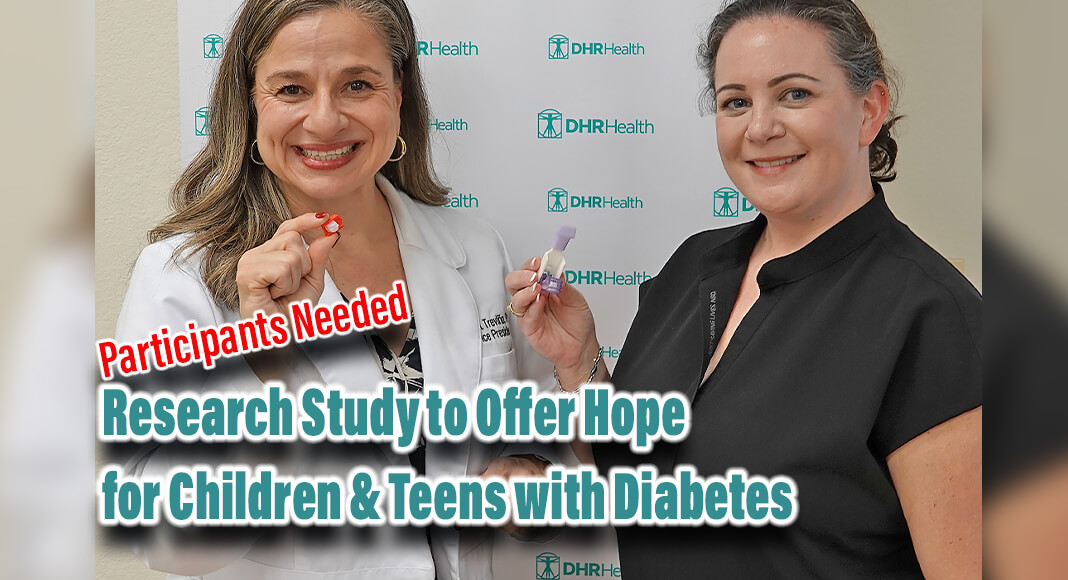
EDINBURG, Texas – DHR Health Institute for Research and Development announced today a groundbreaking clinical trial for a new medication with the potential to change diabetes management. INHALE-1, is an inhaled insulin product specifically designed for children and teenagers. The clinical trial aims to assess the medication’s safety and efficacy.
“Diabetes affects millions of children worldwide, and managing the condition can be challenging, especially for young patients,” said DHR Health Adult and Pediatric Endocrinologist, Dr. Surya Narayan Mulukutla. “NHALE-1 could provide a revolutionary means of simplified yet effective insulin administration for children with diabetes.”
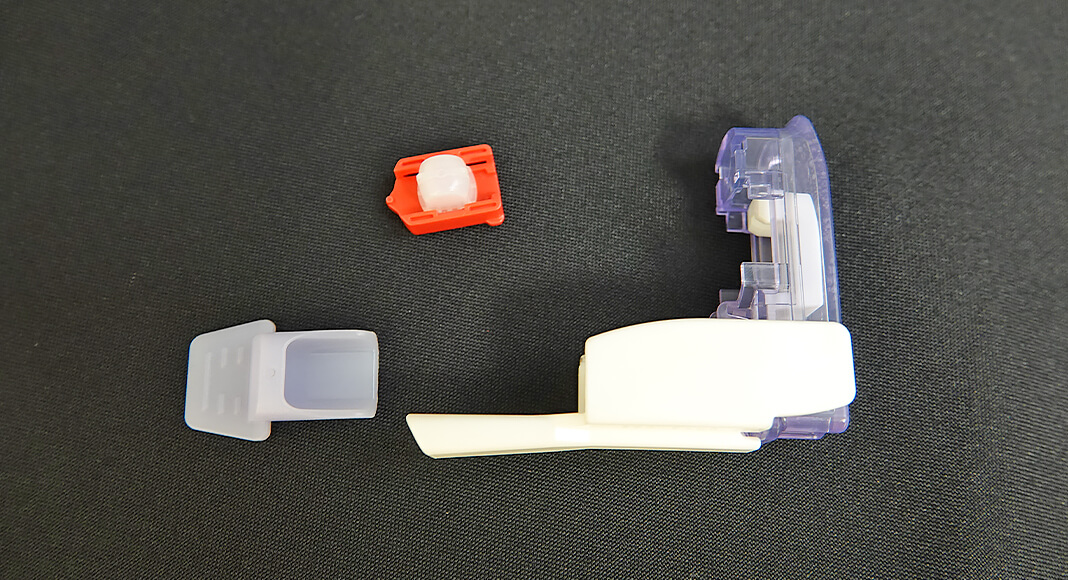
Upon parental consent, children from 4 to 17 years of age, diagnosed with type 1 or type 2 diabetes (with an A1c between 7% – 11%), and have no history of asthma or other lung conditions, may qualify to participate in the trial.

The highlights of the INHALE-1 clinical trial are as follows:
Random Assignment and Commitment Period:
Qualified participants will be randomly assigned to one of two groups. One group will receive inhaled insulin for a duration of 12 months, while the other will continue with their usual mealtime injectable insulin for 6 months and then transition to inhaled insulin for the subsequent 6 months. During the 12-month commitment period, participants will receive comprehensive medical support and monitoring. This will involve clinic visits, blood draws, and lung function tests.
Coverage and Compensation: All inhaled insulin and related trial materials will be provided at no cost to participants. This ensures that financial constraints do not hinder a child’s participation in the trial. Compensation will be also available.
Continuous Glucose Monitoring (CGM): Participants will be asked to check their glucose levels frequently using a trial-provided continuous glucose monitor. They will be equipped with a state-of-the-art continuous glucose monitor (CGM) for the duration of the study. This will allow for frequent and accurate glucose level monitoring, enabling researchers to track progress effectively.
Contact and Enrollment:
To inquire about taking part in this clinical trial, please contact Dr. Adrienne Casciato at (956) 362-2397 or via email at a.casciato@dhr-rgv.com. Casciato and the entire team at the DHR Institute for Research and Development are available to provide additional information and guide interested individuals through the enrollment process.


