Mega Doctor News

RIO GRANDE VALLEY, Texas – The DHR Health Neuroscience Institute is urging the community to learn vital stroke prevention and response strategies. According to the Centers for Disease Control and Prevention (CDC), stroke remains a leading cause of death and disability worldwide. Every year, approximately 795,000 people in the United States suffer a stroke. This equates to one stroke occurring every 40 seconds.
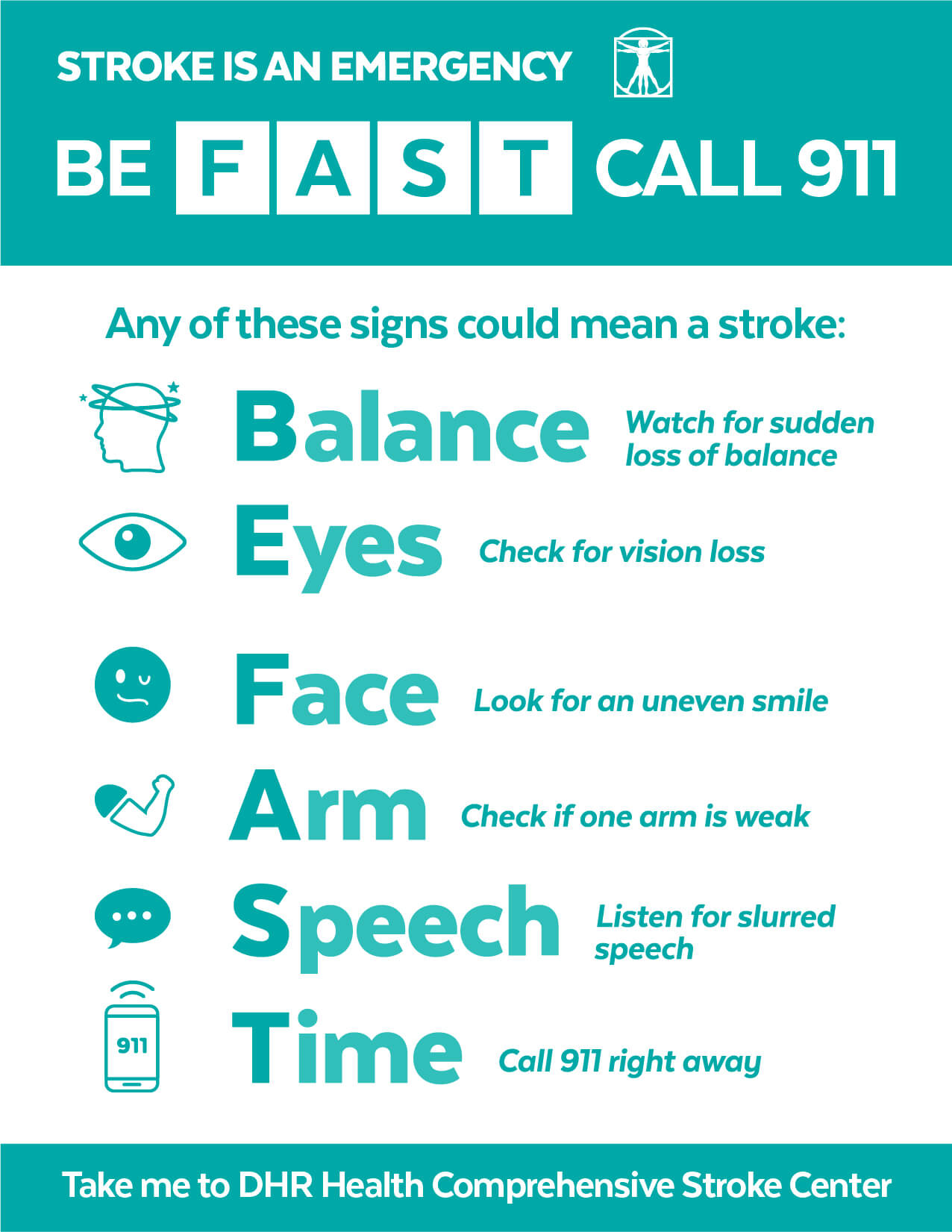
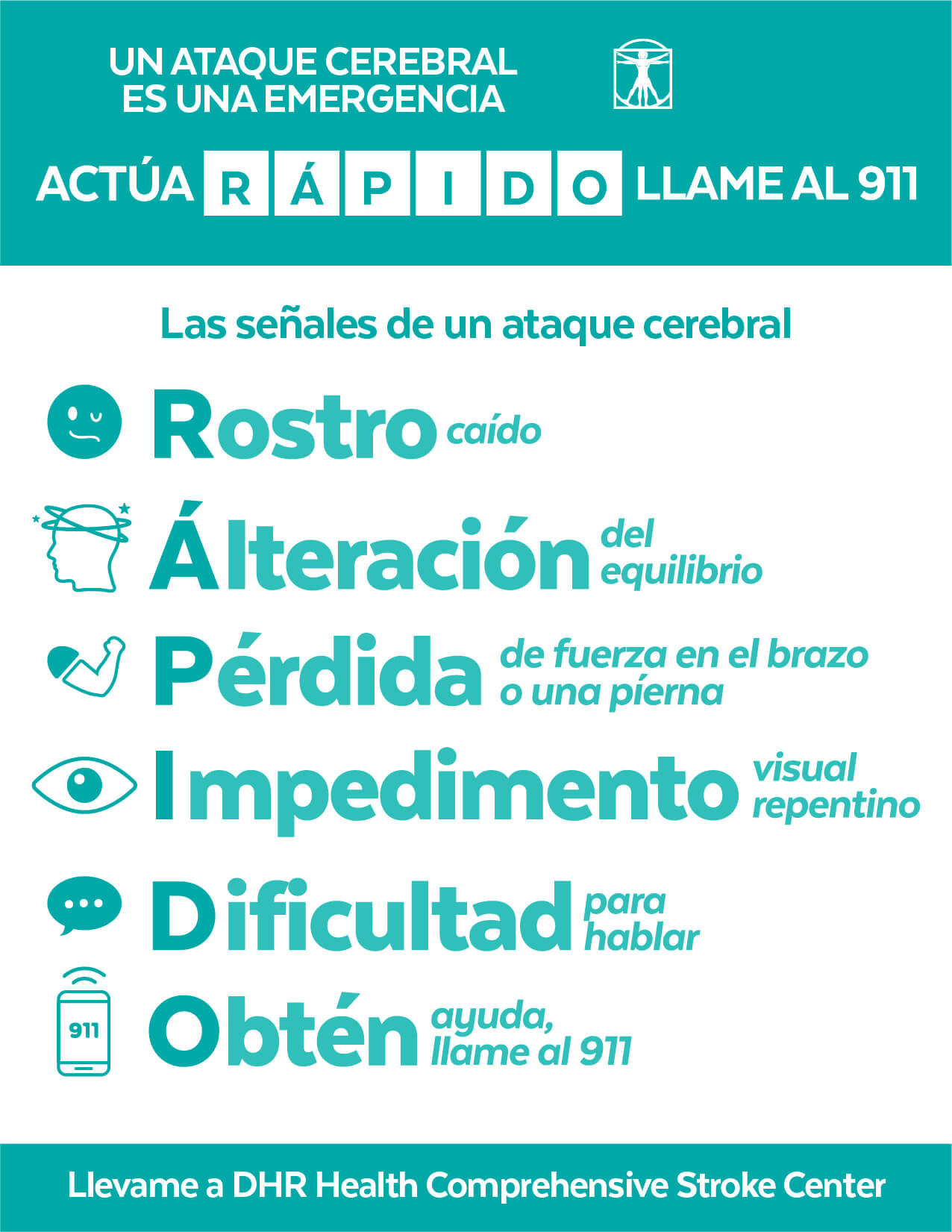
However, timely intervention can significantly improve outcomes for people. Which is why DHR Health encourages all to learn with the BE FAST acronym.
| The acronym BE FAST stands for: |
| B: Balance: Sudden loss of balance or coordination |
| E: Eyes: Sudden vision changes or loss of vision in one or both eyes |
| F: Face: Sudden weakness or drooping on one side of the face |
| A: Arms: Sudden weakness or numbness in one arm or leg |
| S: Speech: Sudden difficulty speaking or understanding speech |
| T: Time: Time to call emergency services immediately if any of these symptoms occur |
Recognizing these signs and acting quickly could make the difference between life and death, or between a full recovery and permanent disability for an individual.

“The ‘BE FAST’ acronym helps individuals spot strokes instantly,” said Dr. Patricia Fernandez, DHR Health Comprehensive Stroke Center Medical Director. “Minutes matter. If a friend or family member shows signs of a stroke, call 9-1-1 immediately to get them emergency care.”
A patient who has suffered a stroke would typically be seen by a neurologist. Neurologists specialize in diagnosing and treating disorders of the nervous system, including strokes. They are trained to evaluate symptoms, order diagnostic tests such as brain imaging scans (like CT or MRI), and develop treatment plans to help manage and rehabilitate stroke patients.
DHR Health stands out in the Rio Grande Valley as the first Joint Commission Certified Comprehensive Stroke Center and Level I Comprehensive Stroke Center. To make an appointment and access specialized care for stroke patients, please contact the DHR Health Neuroscience Institute at (956) 362-8500. The dedicated DHR Health Neurologists and Neurointerventional Radiologists are committed to providing compassionate and expert care to help those on a journey to recover from stroke.
Information source: DHR Health