







Mega Doctor News

by Rutgers Cancer Institute of New Jersey
Newswise — Now marks the time when students are gearing up for a new school year. It is important to be reminded of ways to protect children’s overall health and wellness, especially if your child is immunosuppressed due to treatment for cancer or other health conditions. Peter Cole, MD, chief of Pediatric Hematology/Oncology at Rutgers Cancer Institute of New Jersey shares healthy habits and reminders that may help ease the transition back into the classroom.
Reinforce Everyday Precautions

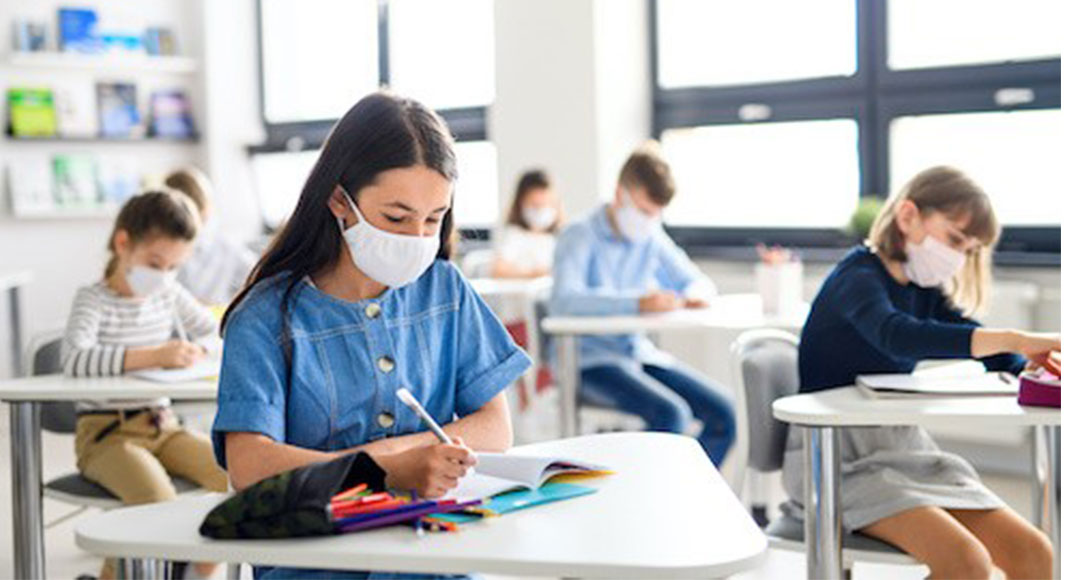
Despite an increased number of those vaccinated for COVID-19 and recommendations for students to wear masks in classrooms, as children gather in classrooms once again, this sets the stage for spreading illness and sharing germs. Remind children about healthy habits to prevent spreading illness such as coughing and sneezing into their elbow, not sharing drinks, keeping hands away from their eyes, nose and mouth and continuing frequent handwashing and hand sanitizing. Healthy eating, exercising and adequate sleep will also help to keep the immune system healthy and strong for a great school year.
Keep up to Date with Vaccinations
Vaccines play in important role in protecting your child’s health as well as the health of those around them, especially the most vulnerable in our communities like those with suppressed immune systems including those undergoing cancer treatment. Peak influenza season is just around the corner, so consider making time for flu shots for the entire family. Since clinical trials are still underway to test the safety and efficacy the COVID-19 vaccine for children under 12, it is critical to do everything possible to prevent other diseases. Those who are 12 and over should get the COVID-19 vaccine to protect themselves and their loved ones. Talk to your pediatrician to make sure your child has all the immunizations they need.
Monitor your Child’s Health
Continue to remain aware of the symptoms of COVID-19, which can range from symptoms of fever, cough, and/or shortness of breath according to the CDC. It is important to contact your family’s doctor if your child has any symptoms of illness, and if your child does get sick, keep them home from school so they don’t spread their illness to others. Making sure to maintain a close relationship with your pediatrician and staying on top of scheduling annual checkups are also a very important part of monitoring your child’s health.


