









CDC: Mpox Vaccine Safe & Effective

Translate to Spanish or other 102 languages!

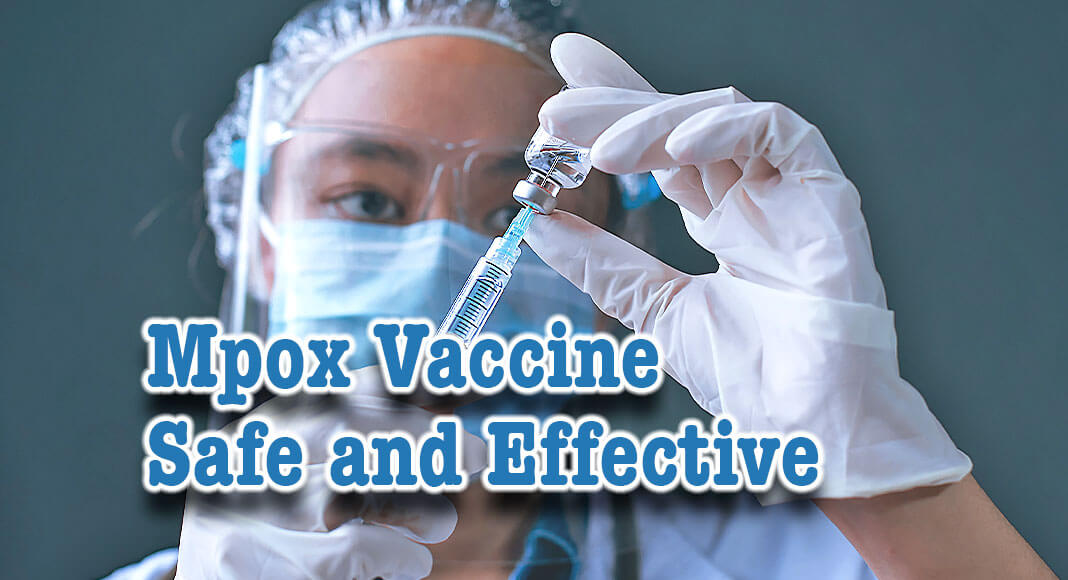
New data released today in CDC’s MMWR provide additional evidence to support that vaccination with the JYNNEOS mpox vaccine is safe and reduces the risk for getting mpox. Image for illustration purposes

Mega Doctor News

- Advertisement -

Studies show vaccinated people have substantially less risk for contracting mpox compared with those who are unvaccinated and identified no major safety concerns after nearly 1 million doses administered.

New data released today in CDC’s MMWR provide additional evidence to support that vaccination with the JYNNEOS mpox vaccine is safe and reduces the risk for getting mpox. CDC recommends vaccination for people at risk for getting mpox.

The first report looked at vaccine safety data among children and adults and found no major vaccine safety concerns after nearly 1 million JYNNEOS doses were administered. Common adverse health events reported were consistent with studies before the vaccine was licensed, including injection site redness, swelling, or pain, and dizziness.

- Advertisement -

The second report found rates of mpox illness in unvaccinated people were 10 times higher compared to those who had received both doses of the JYNNEOS vaccine, and there was no difference between intradermal and subcutaneous routes of administration. These findings provide additional evidence supporting the protective effect of vaccination.

“Mpox cases are decreasing, but so is public concern,” said Jonathan Mermin, M.D., M.P.H., mpox response Incident Manager. “With a safe, effective vaccine in our hands, this is our chance to turn the page and finish strong.”

CDC encourages everyone who is eligible for mpox vaccination to receive the complete two-dose series for best protection.

Information Source: CDC

- Advertisement -
- Advertisement -

- Advertisement -

More Articles

STHS Heart Ranks Among Nation’s Top Hospitals for Heart Attack Care

Every year, more than 800,000 people in the United States suffer a heart attack, according to the Centers for Disease Control and Prevention, an event that occurs approximately every 40 seconds.

DHR Health Burn Surgeon Urges Public to Avoid Preventable Risks

Many of the most serious burn and trauma injuries can be prevented by avoiding unnecessary risks, according to Dr. R. Dewayne Edwards, chief burn surgeon, surgical critical care and trauma surgeon at DHR Health, who said public awareness and timely medical care remain essential to improving patient outcomes.

STHS’ Freestanding ERs Earn National Recognition for High-Quality Resuscitation Care

Sudden cardiac arrest is a life-threatening medical emergency that occurs when the heart unexpectedly stops beating, abruptly cutting off blood flow to the brain and other vital organs. It can strike anyone, at any age, often without warning.

DHR Health Neuroscience Institute Nationally Recognized for Commitment to Excellence in Stroke Care

DHR Health Neuroscience Institute received the American Heart Association’s Get With The Guidelines® - Stroke Gold Plus quality achievement award for its commitment to ensuring people experiencing a stroke receive timely, appropriate treatment based on nationally recognized, research-based guidelines, ultimately helping to save lives and reduce disability.
- Advertisement -

