Mega Doctor News
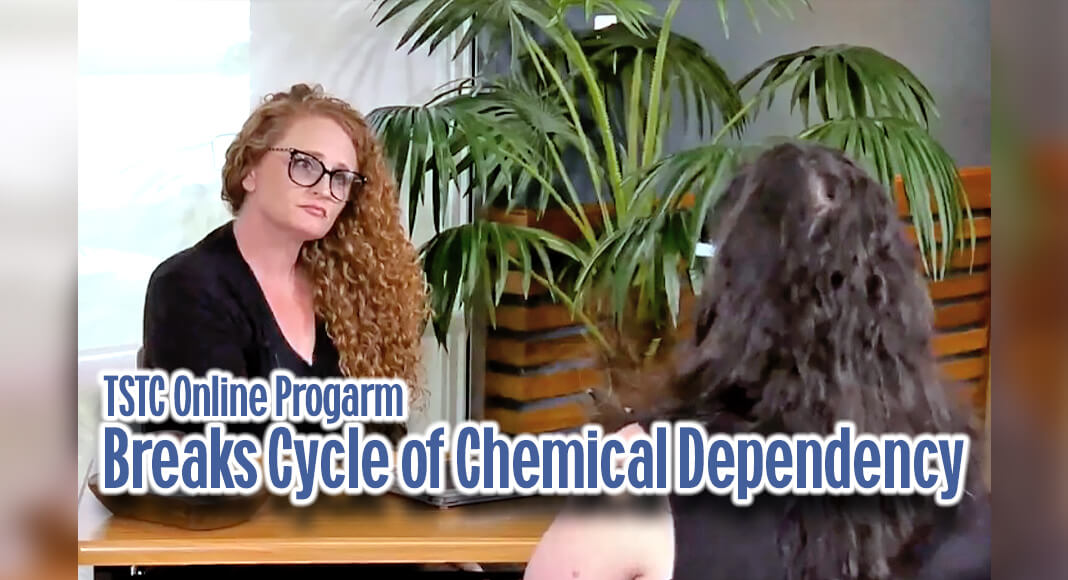
HARLINGEN, Texas – Students in Texas State Technical College’s online Chemical Dependency Counseling program receive support, guidance and training from licensed chemical dependency counselors on how to help people break the cycle of substance use disorder.
National Mental Health Awareness Month, observed each May, is a time to remember that such addiction can be associated with mental illness in certain people.
Connie Schaaf, director of alignment and program team lead for TSTC’s Chemical Dependency Counseling program, said witnessing an individual’s journey from addiction to recovery is rewarding.

“The process provides counselors with personal satisfaction, knowing their efforts have contributed to help a person regain control over their life and improve their well-being,” she said. “Our specialized education equips counselors with deep knowledge of addiction, psychology, effective treatment strategies, and fostering continuous professional growth as new research and therapeutic approaches emerge.”
Schaaf added that counselors should be cognizant of their patients for several reasons.
“Understanding the complexities of substance use disorders is essential for providing comprehensive and empathetic care,” she said. “An individual requires an approach that addresses the causes of their addiction. Being aware of these challenges enables a counselor to build trust with their client and allows them to review an accurate treatment plan.”
Keren Trevino, of Harlingen, is studying for an Associate of Applied Science degree in the program.
“The education I’m receiving is teaching me about a patient’s ‘why behind the why’ regarding their substance use disorder,” she said. “By learning about an individual’s situation, I can better assist a client in the future.”
TSTC offers an Associate of Applied Science degree and two certificates of completion in Chemical Dependency Counseling, all 100% online.
According to onetonline.org, substance abuse and behavioral disorder counselors can earn a median salary of $52,190 a year in Texas. The field was projected to have a growth rate of 28% in the state from 2020 to 2030.
Registration for TSTC’s fall semester is underway. For more information, visit tstc.edu.