








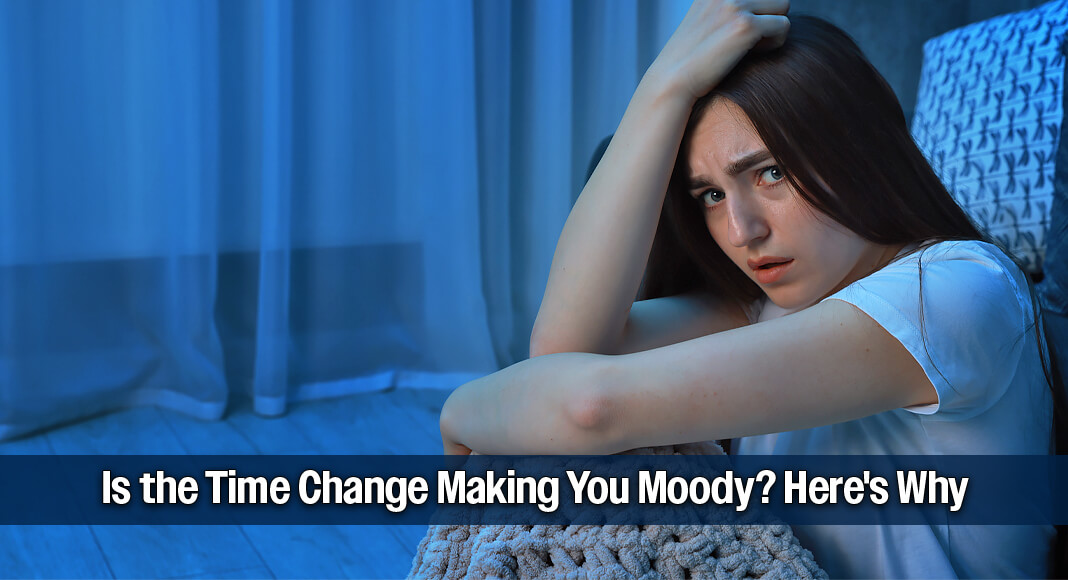

Understanding the Link Between Time Change and Mood

Translate to Spanish or other 102 languages!

After turning the clocks back, many of us are adjusting to earlier sunsets and darker evenings. Image for illustration purposes
- Advertisement -

CLEVELAND CLINIC – After turning the clocks back, many of us are adjusting to earlier sunsets and darker evenings.

As those daylight hours continue to shrink, some people may start experiencing seasonal affective disorder.

“Seasonal affective disorder is a form of depression that occurs when the seasons change, a lot of times fall into winter. Then, it usually subsides a little bit more going into the spring and summer,” said Beena Persaud, PsyD, a psychologist with Cleveland Clinic.


- Advertisement -

According to Dr. Persaud, the drop in sunshine can disrupt the body’s internal clock, affecting sleep, energy levels and mood.

Common symptoms of seasonal affective disorder include feeling sad, irritable or fatigued.

The condition often begins in young adulthood, and those with a history of depression may be at greater risk.

To help manage symptoms, Dr. Persaud recommends getting sunlight in the morning, exercising regularly and staying connected with others.

- Advertisement -

Above all, it’s important to recognize when to seek help if your symptoms aren’t getting better.

“For any mental health disorder, seek help if it starts disrupting your life – whether that be trouble getting out of bed, going to work or fulfilling duties that you’re supposed to,” Dr. Persaud said.

Dr. Persaud said you don’t have to manage seasonal affective disorder alone.

A mental health professional can help you come up with strategies to cope with symptoms.

- Advertisement -
- Advertisement -

- Advertisement -

More Articles

How to Avoid Getting Sick During Holiday Travel

Amid one of the busiest travel weeks of the year, an infectious disease specialist is sharing advice on how to lower your risk of getting sick when traveling this Thanksgiving.

STHS’s Latest “South Texas Healthy Living” Episode to Examine Bladder Health, Nov. 29

Healthy bladder function plays an important role in overall wellness, helping the body eliminate waste efficiently while supporting comfort, restful sleep and an active lifestyle.

Tips for Preventing and Treating Kitchen Cuts This Holiday Season

Preparing a holiday dinner can be as chaotic as it is joyous. A slip while chopping vegetables, peeling potatoes, or carving the turkey can happen even to the most experienced cooks.

STHS Behavioral to Host Webinar on Coping with Holiday Stress, Dec 3

The holiday season is often described as the most wonderful time of the year. However, for many people, it can also bring feelings of stress, sadness, anxiety and loneliness.
- Advertisement -