









loader image
Thursday, January 22, 2026
62.5 F
McAllen
- Advertisement -

AMA Backs Updated Dietary Guidelines, Commits to Advancing Nutrition in Medicine

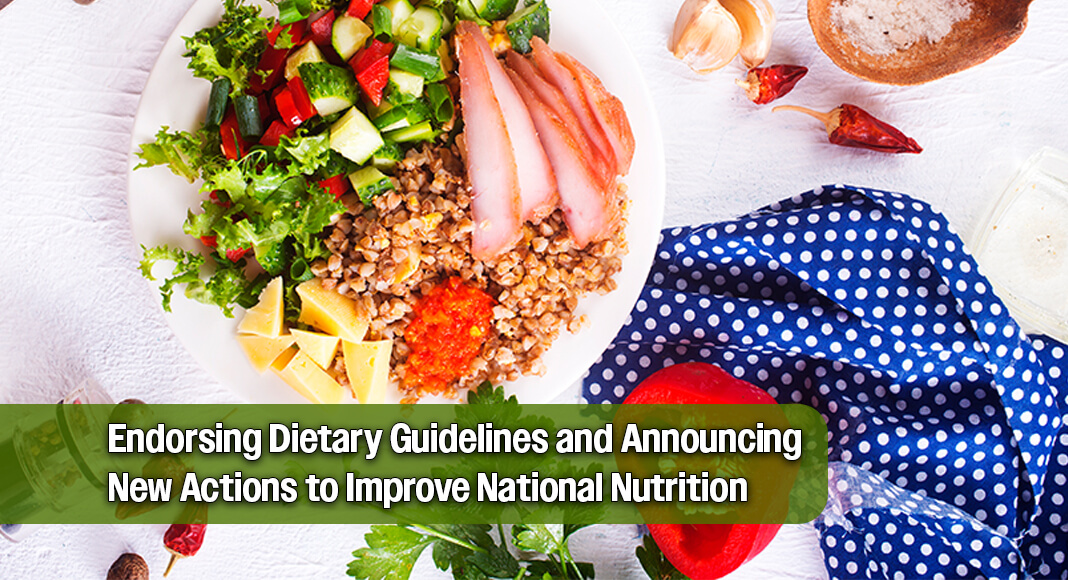
Endorsing Dietary Guidelines and Announcing New Actions to Improve National Nutrition

Translate to Spanish or other 102 languages!

“Today the AMA is making significant commitments to improve clinical competency, deliver educational resources for physicians, and work with Congress to enact meaningful, lasting nutrition change that can improve lives. The AMA is focused on helping physicians translate this science into everyday care and helping patients improve their overall health.” –Bobby Mukkamala, MD, President, American Medical Association" image for illustration purposes
“Today the AMA is making significant commitments to improve clinical competency, deliver educational resources for physicians, and work with Congress to enact meaningful, lasting nutrition change that can improve lives. The AMA is focused on helping physicians translate this science into everyday care and helping patients improve their overall health.” –Bobby Mukkamala, MD, President, American Medical Association” image for illustration purposes
- Advertisement -
Bobby Mukkamala, MD, President, American Medical Association. Courtesy image

“The American Medical Association (AMA) applauds the Administration’s new Dietary Guidelines for spotlighting the highly processed foods, sugar-sweetened beverages, and excess sodium that fuel heart disease, diabetes, obesity, and other chronic illnesses. The Guidelines affirm that food is medicine and offer clear direction patients and physicians can use to improve health.

“Today the AMA is making significant commitments to improve clinical competency, deliver educational resources for physicians, and work with Congress to enact meaningful, lasting nutrition change that can improve lives. The AMA is focused on helping physicians translate this science into everyday care and helping patients improve their overall health.” –Bobby Mukkamala, MD, President, American Medical Association

The AMA will:

- Advertisement -
  1. Launch a curated collection of nutrition education resources and continuing medical education (CME) on the AMA Ed Hub™. Additionally, the AMA will make curated educational resources available through institutional curriculum products that face specific audiences of medical students, residents and fellows, and physicians; 
  2. Convene a series of roundtables with physicians, nutrition experts, and public health leaders to strengthen nutrition education and clinical competency. These efforts–driven by the new Guidelines–should also make it easier for physicians to talk to patients about the role of food in preventing, and even treating, chronic disease; and
  3. Work with Congress to incentivize nutrient dense foods, expand food labeling efforts, define ultra-processed foods, and increase investment in nutrition research.

See related story:

- Advertisement -
- Advertisement -

- Advertisement -

More Articles

A Deep Dive into the Impact of Stress on Kids’ Health

Most research on the health effects of stress focuses on adults, but a new review looks at how stress uniquely affects children.

The Hidden Threat in Your Home: Understanding CO Exposure

If you haven’t checked your carbon monoxide detector in a while, now is a good time to do so -- especially as we crank up the heat to stay warm this winter.

FDA Aims to Make Gluten Easier to Spot on Food Labels

The U.S. Food and Drug Administration issued a Request for Information (RFI) regarding labeling and preventing cross-contact of gluten in packaged food.

Hydration 101: The Simple Habit That Keeps Your Body Running

Water. It is essential to support life. Water is one of the simplest, most accessible ways we have to support good health. Because the human body is made up of roughly 60 percent water, staying hydrated is essential for almost every biological function, from regulating temperature to transporting nutrients.
- Advertisement -
×

