Mega Doctor News


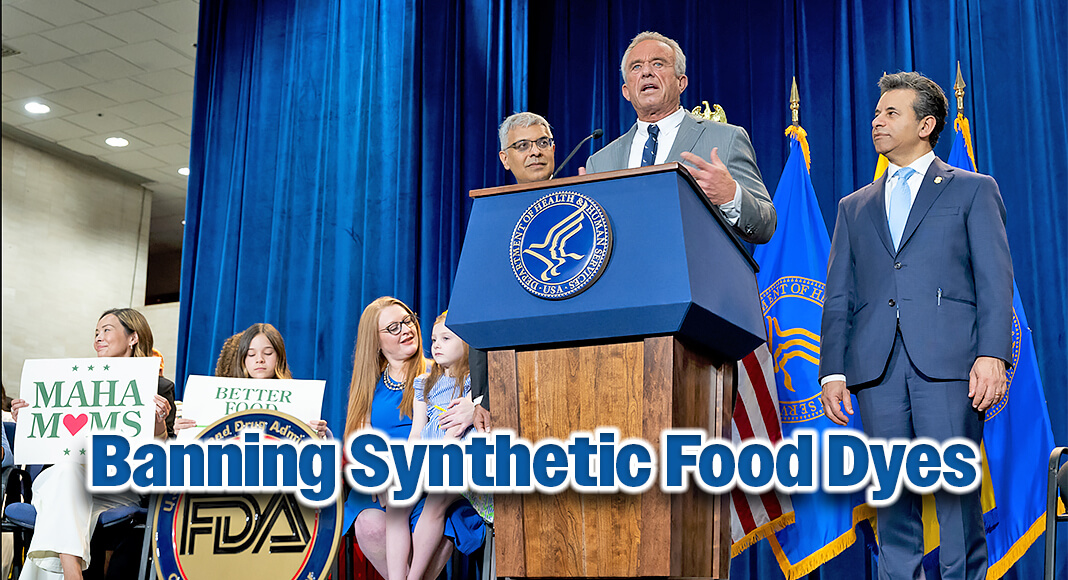
On April 22, 2025, U.S. Health and Human Services Secretary Robert F. Kennedy Jr. announced a plan to phase out eight synthetic food dyes from the American food supply by the end of 2026. The initiative, developed in collaboration with the Food and Drug Administration (FDA), targets petroleum-based dyes, including Red 3, Red 40, Yellow 5, Yellow 6, Blue 1, Blue 2, Green 3, and Orange B. The FDA intends to revoke authorization for Citrus Red No. 2 and Orange B in the coming weeks and work with the food industry to eliminate the remaining dyes voluntarily.
Synthetic dyes are commonly found in candies, cereals, beverages, baked goods, frostings, and snacks. To facilitate the transition from synthetic dyes, the FDA is expediting the evaluation of natural color alternatives, including calcium phosphate, Galdieria extract blue, gardenia blue, and butterfly pea flower extract.
During the same press conference, Secretary Kennedy addressed the issue of added sugar in the American diet. He referred to sugar as “poison” and recommended that Americans consume “zero” added sugar. Kennedy acknowledged that the federal government is unlikely to eliminate sugar from food products but emphasized the need for better labeling and new nutrition guidelines advising people to avoid added sugar entirely.

Kennedy stated, “For too long, some food producers have been feeding Americans petroleum-based chemicals without their knowledge or consent,” said HHS Secretary Robert F. Kennedy, Jr. “These poisonous compounds offer no nutritional benefit and pose real, measurable dangers to our children’s health and development. That era is coming to an end. We’re restoring gold-standard science, applying common sense, and beginning to earn back the public’s trust. And we’re doing it by working with industry to get these toxic dyes out of the foods our families eat every day.”
The FDA’s plan does not currently include formal regulations but relies on voluntary cooperation from the food industry. Some companies, such as W.K. Kellogg, have already committed to reformulating products to remove synthetic dyes.
The following eight petroleum-based synthetic food dyes will be removed from the American food supply by the end of 2026:
- FD&C Red No. 40
- FD&C Yellow No. 5
- FD&C Yellow No. 6
- FD&C Blue No. 1
- FD&C Blue No. 2
- FD&C Green No. 3
- Citrus Red No. 2
- Orange B
The FDA will initiate the process to revoke authorization for Citrus Red No. 2 and Orange B in the coming months. The remaining six dyes will be eliminated through voluntary cooperation with the food industry.
Synthetic dyes are commonly found in products such as candies, cereals, beverages, baked goods, frostings, and snacks. To facilitate the transition away from synthetic dyes, the FDA is expediting the evaluation of natural color alternatives, including calcium phosphate, Galdieria extract blue, gardenia blue, and butterfly pea flower extract.
This initiative builds upon a prior FDA ban of Red Dye No. 3, set to be removed from ingestible products by 2027 and 2028. Source: https://www.fda.gov/news-events/press-announcements/hhs-fda-phase-out-petroleum-based-synthetic-dyes-nations-food-supply