








loader image
Thursday, January 15, 2026
60.2 F
McAllen
- Advertisement -

What You Need to Know About Ban on Red Dye No. 3

Translate to Spanish or other 102 languages!

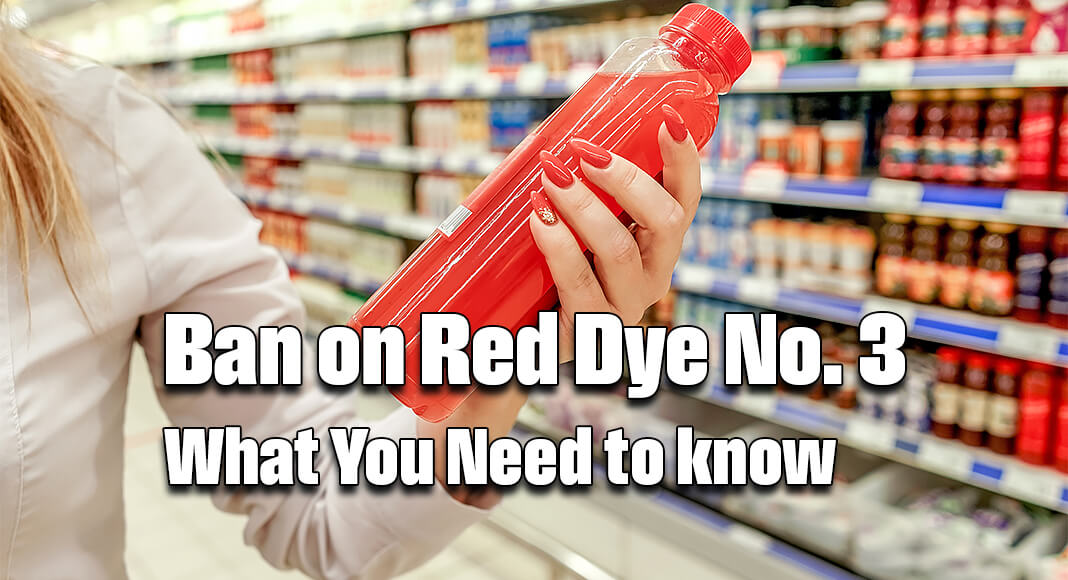
“Red dye no. 3 is something that the food manufacturers have used. It's a petroleum-based chemical, which now, because it's being banned, has actually had a positive correlation to cause cancer in rats,” explained Beth Czerwony, RD, registered dietitian with Cleveland Clinic. Image for illustration purposes
“Red dye no. 3 is something that the food manufacturers have used. It’s a petroleum-based chemical, which now, because it’s being banned, has actually had a positive correlation to cause cancer in rats,” explained Beth Czerwony, RD, registered dietitian with Cleveland Clinic. Image for illustration purposes
- Advertisement -

CLEVELAND CLINIC – The FDA recently announced a ban on red dye no. 3, which has been used for years in all kinds of food, like candy, cookies, and cereal.

It’s even added to some medications.

But, why did the agency decide now that it’s no longer safe?

- Advertisement -

“Red dye no. 3 is something that the food manufacturers have used. It’s a petroleum-based chemical, which now, because it’s being banned, has actually had a positive correlation to cause cancer in rats,” explained Beth Czerwony, RD, registered dietitian with Cleveland Clinic. “So, there are no human studies that have shown this, but there is strong evidence that it does have cancer causing properties based on the petroleum that it’s made out of.”

Czerwony said red dye no. 3 has no nutritional value.

It’s really just used to help make the color of a certain food look more vibrant and appetizing for the consumer.

It doesn’t affect the flavor or texture in any way.

- Advertisement -

She also notes that other countries have already banned red dye no 3. from being added to foods, so the FDA’s decision wasn’t surprising.

Here in the US, food manufacturers have until 2027 to reformulate their products, so shoppers need to be cautious in the meantime.

Czerwony suggests skipping any foods with the dye in it and opting for whole foods instead, which will be healthier anyway.

“A lot of foods that are going to have this red dye are already processed. They’re going to be in cereals, snacks and sugar-laden beverages and those types of things. So, ultimately, those are things that we would want you to avoid or limit in your diets anyway,” she said.

Czerwony said it’s hard to tell how this ruling will be enforced down the road or if manufacturers may try to find another dye to use instead.

That’s why consumers need to be mindful when they’re looking at ingredients.

- Advertisement -
- Advertisement -

- Advertisement -

More Articles

Resolutions That Add Years—and Quality—to Your Life

Following a joyful holiday season spent with loved ones, many people start the new year feeling sluggish—often from indulging in rich food and drinks or falling out of their workout routines.

Why Women’s Weight Gain May Begin Decades Before Menopause

Weight gain is common in women during perimenopause and after menopause, but the physical changes underlying it start much earlier in adulthood.

Scientists Identify a Treatable Vulnerability in Aggressive Blood Cancer

New research co-led by Indiana University School of Medicine scientists has exposed a vulnerability in acute myeloid leukemia by identifying the blood cancer's reliance on a specific signaling pathway involved in the body's inflammation response.

Substance Use and Treatment in 2025: AMA Report Reveals Critical Data

Overdose deaths declined from more than 110,000 in 2023 to about 75,000 in 2024, yet there is a tremendous amount of work to be done to sustain and accelerate this progres
- Advertisement -
×

