







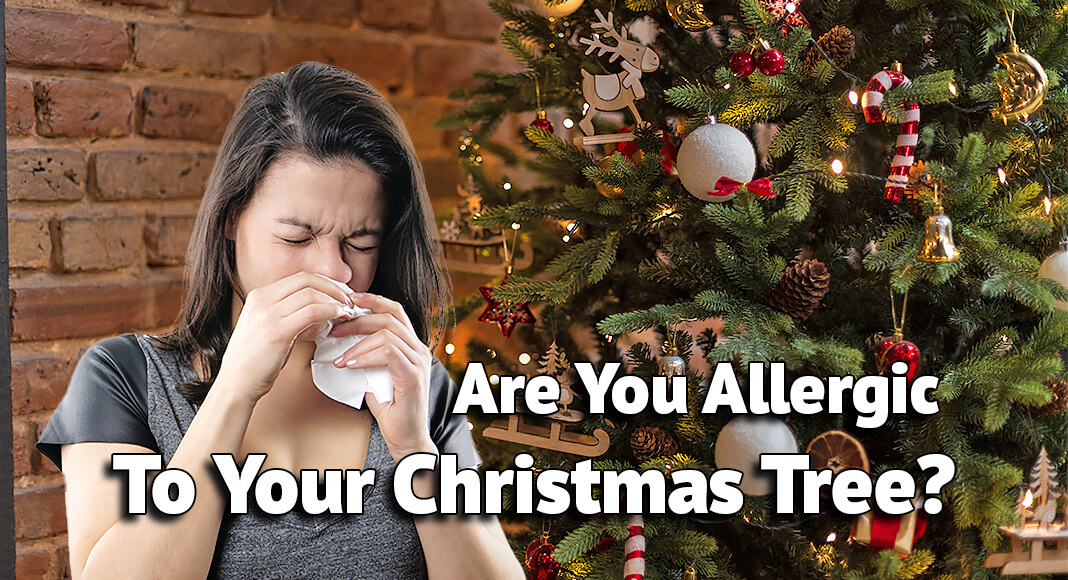

Are You Allergic to Your Christmas Tree?

Translate to Spanish or other 102 languages!

Since it’s possible for hidden allergens to be lurking inside your tree, you could be experiencing something called “Christmas tree syndrome.” Image for illustration purposes
- Advertisement -

CLEVELAND CLINIC – Is your Christmas tree making you reach for the tissue box?

Since it’s possible for hidden allergens to be lurking inside your tree, you could be experiencing something called “Christmas tree syndrome.”

“Christmas tree syndrome is when you put up a real or artificial tree in your home and begin noticing your allergy and asthma symptoms worsen,” explained DeVon Preston, MD, an allergist with Cleveland Clinic.

- Advertisement -

While being allergic to pine trees is relatively uncommon, Dr. Preston said it’s possible for them to carry allergens like dust and mold.

Artificial trees can pose the same problem if they’re not stored properly.

To cut down on potential allergens, Dr. Preston said to shake out your tree before bringing it indoors.

Once inside, putting an air purifier near the tree can help catch any allergens you missed.

- Advertisement -

He notes ornaments and other trimmings can irritate your allergies as well.

“Most Christmas decorations, especially if stored in the attic or basement, can be a source of different allergens and irritants that can cause symptoms,” Dr. Preston said. “With this in mind, you want to clean off those decorations before putting them on the tree.”

Dr. Preston recommends storing decorations and artificial trees in airtight containers – that way, you don’t have to do so much cleaning each year.

He added it’s best to get rid of real trees soon after the holiday season since mold and dust can continue to build up on them even once they’re inside.


- Advertisement -
- Advertisement -

- Advertisement -

More Articles

Lab-Grown Mini Organs Show Promise in Predicting Breast Cancer Treatment Outcomes

Researchers at UC San Francisco have developed a new method to predict how different types of breast cancer will respond to treatment, using patient data from the I-SPY2 breast cancer trial and rapid testing on lab-grown mini tumors. 

STHS Hosting Community Blood Drive Amid National Blood Shortage, August 21st 

The United States is facing a severe blood shortage, prompting the American Red Cross to issue only the second national blood crisis declaration in its history.

Study Points to High Blood Pressure as a Key Factor in Rising Heart Disease Rates

Heart disease is the leading cause of death in the United States according to the Journal of the American College of Cardiology. Its impact extends beyond biology, with social detriments such as food insecurity, socioeconomic status and education influencing outcomes.

Dysfunctional, Not Missing, Immune Cells Explain Skin Cancer Risk in Immunosuppressed Patients

Researchers at The University of Texas MD Anderson Cancer Center have discovered that immunosuppressed patients with non-melanoma skin cancer are not missing the key cancer-fighting immune cells found in immunocompetent patients, but those cells – known as macrophages – have lost the ability to communicate effectively.
- Advertisement -
