Mega Doctor News


By Shelly DeJong Michigan State University
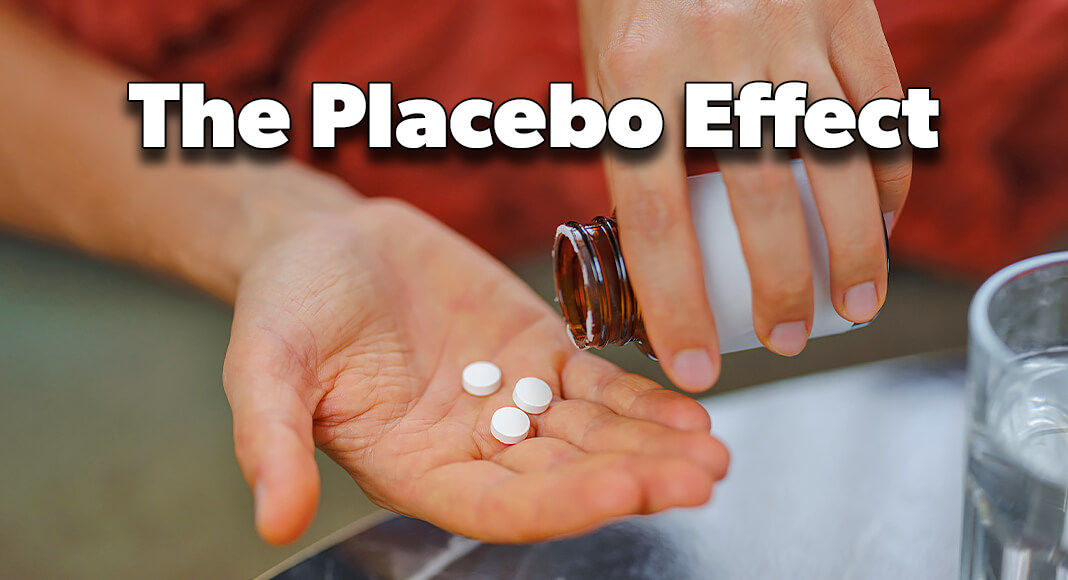
EAST LANSING, Mich. – A study out of Michigan State University found that nondeceptive placebos, or placebos given with people fully knowing they are placebos, effectively manage stress — even when the placebos are administered remotely.
Researchers recruited participants experiencing prolonged stress from the COVID-19 pandemic for a two-week randomized controlled trial. Half of the participants were randomly assigned to a nondeceptive placebo group and the other half to the control group that took no pills. The participants interacted with a researcher online through four virtual sessions on Zoom. Those in the nondeceptive placebo group received information on the placebo effect and were sent placebo pills in the mail along with instructions on taking the pills.

The study, published in Applied Psychology: Health and Well-Being, found that the nondeceptive group showed a significant decrease in stress, anxiety and depression in just two weeks compared to the no-treatment control group. Participants also reported that the nondeceptive placebos were easy to use, not burdensome and appropriate for the situation.
“Exposure to long-term stress can impair a person’s ability to manage emotions and cause significant mental health problems long-term, so we’re excited to see that an intervention that takes minimal effort can still lead to significant benefits,” said Jason Moser, co-author of the study and professor in MSU’s Department of Psychology. “This minimal burden makes nondeceptive placebos an attractive intervention for those with significant stress, anxiety and depression.”
The researchers are particularly hopeful in the ability to remotely administer the nondeceptive placebos by health care providers.
“This ability to administer nondeceptive placebos remotely increases scalability potential dramatically,” said Darwin Guevarra, co-author of the study and postdoctoral scholar at the University of California, San Francisco, “Remotely administered nondeceptive placebos have the potential to help individuals struggling with mental health concerns who otherwise would not have access to traditional mental health services.”
By Shelly DeJong
Read on MSUToday.