







Mega Doctor News

by Medical University of Vienna (MedUni Wien)
Newswise — Insomnia is not only associated with poor sleep and reduced daytime functioning, but may also be an indicator of increased health risks. An international review by the European Academy of Neurology, in collaboration with MedUni Vienna, shows a link to stroke, hospital admissions and several neurological and mental health conditions. The findings were published in the high ranking journal “Sleep Medicine Reviews”.
For the study, the research team summarised the available evidence across seven areas: dementia, stroke, depression, suicidal behaviour, mortality, workplace accidents and hospital admissions. In addition, new systematic reviews were conducted on stroke, workplace accidents and hospital admissions.
Link to stroke and hospital admissions
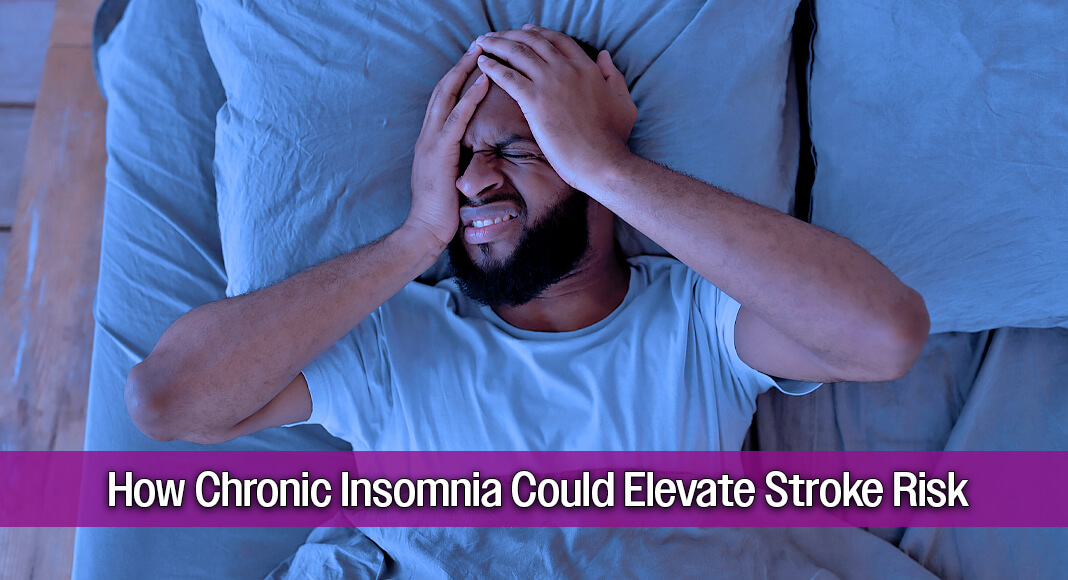
For the analysis on stroke, nine studies involving a total of more than 1.3 million participants were identified; six of these were combined in a meta-analysis. According to the findings, insomnia was associated with a 26 per cent higher risk of stroke. Five studies were evaluated for hospital admissions; the meta-analysis revealed that people with insomnia were 28 per cent more likely to be hospitalised.
Links were also found in other areas of brain and mental health. Several systematic reviews found associations between insomnia and dementia, particularly Alzheimer’s disease, as well as with depression and suicidal behaviour. However, the results were not consistent across all endpoints examined.
“Sleep should be part of the discussion on brain health at every stage of life. We should raise awareness of insomnia and its treatment and ensure that sleep is also taken into account in health promotion programmes in communities, schools and the workplace,” says co-author Stefan Seidel from MedUni Vienna. The neurologist and sleep specialist, who holds a teaching post at MedUni Vienna, is the medical director of the Pirawarth Clinic and initiated this study in his capacity as a member of the EAN.
Correlation does not imply causation
The authors emphasise that the results do not prove a direct causal link with insomnia. Differences in the definition of insomnia, as well as possible confounding factors such as the use of sleep medication, limit the validity of individual analyses. However, the results suggest that insomnia should be given greater consideration as a potential warning sign in relation to brain and mental health.



