Mega Doctor News
Every year, 25.5 million Americans are rushed to emergency rooms across the country with unintentional injuries related to motor vehicle accidents, falls and violence, according to the Centers for Disease Control and Prevention, with unintentional injuries ranking as the third leading cause of death in the nation. Annually, unintentional injuries result in nearly 230,000 deaths.
Due to this high prevalence of traumatic injuries and accidents, it’s essential for emergency response personnel and healthcare providers to be up to date on the latest research, education and best practices to provide life-saving treatment quickly and efficiently to trauma patients at the scene and in the hospital.
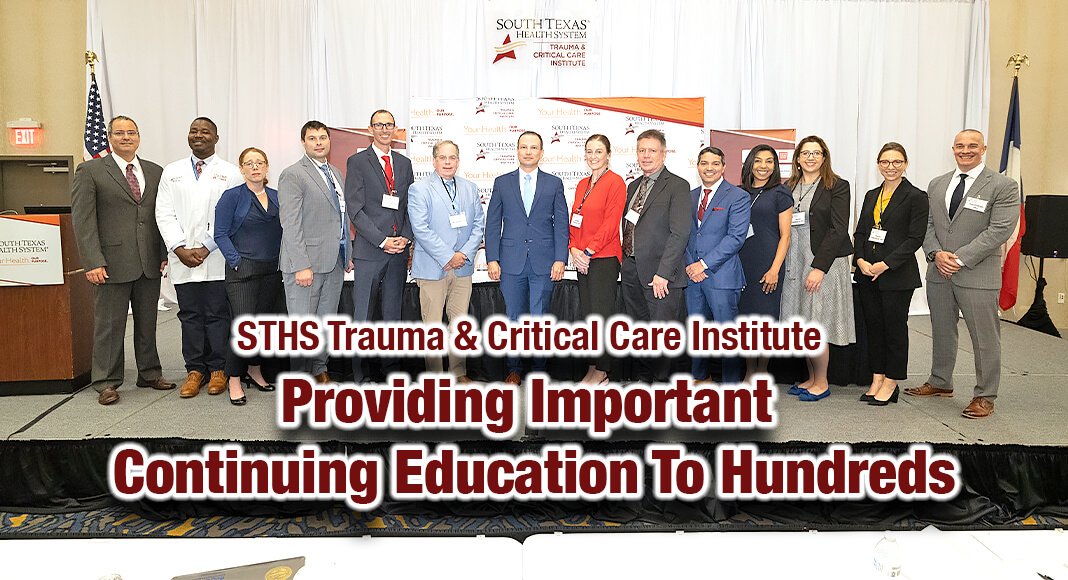
So, to help first responders and healthcare providers across the Rio Grande Valley gain that vital knowledge and training, the South Texas Health System Trauma & Critical Care Institute hosted its fourth annual South Texas Advanced Symposium on Trauma, Critical Care and Emergency General Surgery on Friday, August 16 at the Embassy Suites by Hilton McAllen Convention Center.

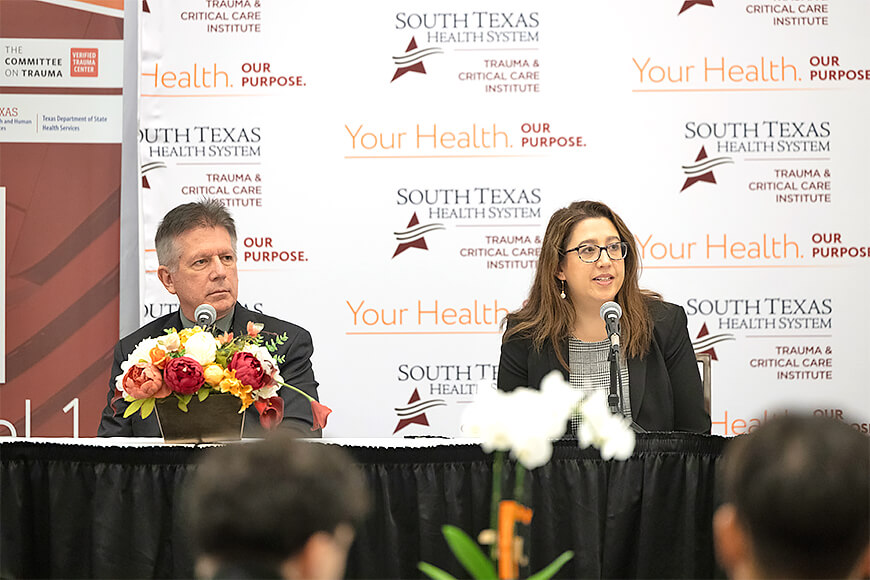
Held in partnership with STHS McAllen’s Level I Trauma Center and the STHS Education Department, the annual conference – now in its fourth year – featured the participation of more than a dozen nationally recognized trauma and critical care leaders, including Dr. Jay Doucet, a board-certified surgeon and intensivist who serves as the Chief of the Division of Trauma, Surgical Critical Care, Burns, and Acute Care Surgery and as medical director of both the Surgical Intensive Care Unit and Emergency Preparedness and Response at UC San Diego Health; Dr. Alan H. Tyroch, the chief of surgery and trauma medical director at the University Medical Center of El Paso; and Dr. Tanya Zakrison, a highly skilled surgeon who specializes in trauma care and the critical trauma research director at the University of Chicago Medicine.
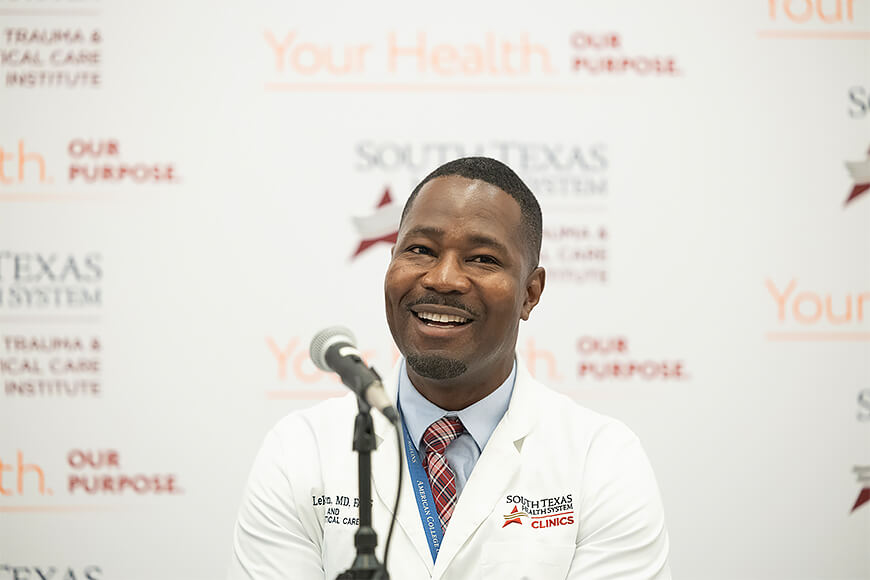
The continuing education course covered the latest information, research and best practices on relevant topics like pre-hospital trauma care, damage control and burn resuscitation, as presented by speakers like Dr. Kyle Cunningham, a clinical associate professor for surgical sciences at Wake Forest University School of Medicine.
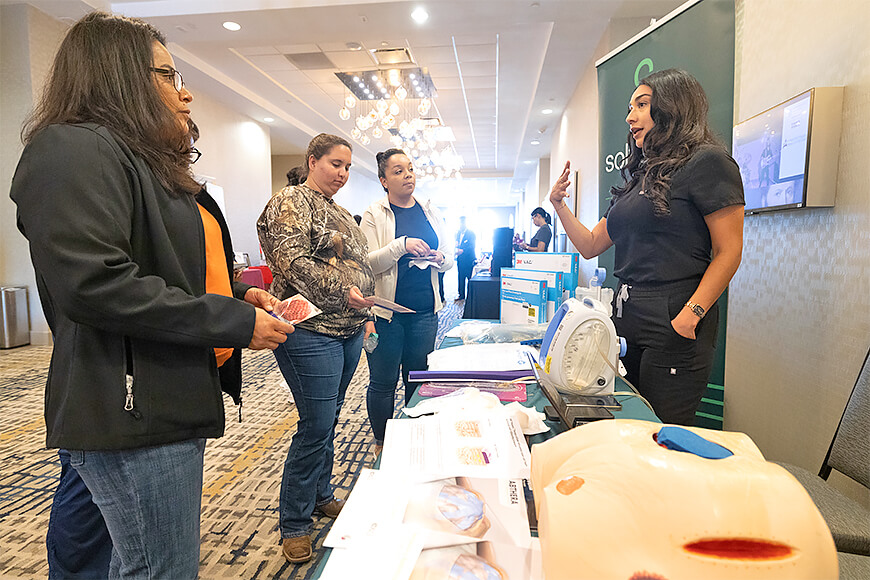
“This symposium is extremely important to the Rio Grande Valley community because it allows our local first responders and healthcare workers to learn the latest in trauma, critical care and emergency surgery from well-known physicians from across the country,” says Dr. Carlos Palacio, the director of research for the trauma program at STHS McAllen who launched the continuing education conference in 2021. “By sharing their knowledge and expertise, we’ll be able to implement changes in how we practice trauma care in the community to help save precious lives and improve overall patient outcomes.”
Having previously participated in the symposium, Dr. Cunningham is impressed with the caliber of event and the personal stake in better serving the people of the region by attendees.
“It’s one of the better trauma symposiums in the country, in my opinion, so I was really excited to share some of the learnings I picked up from my practice and get to learn from my fellow presenters and the experts in the area,” says Dr. Cunningham. “I have been blown away at the participation level and overall support for trauma care in the Rio Grande Valley. This is absolutely fantastic – it’s a great event. The dedication to serving their community of those in attendance, from pre-hospital providers and members of law enforcement to hospital staff, is commendable.”
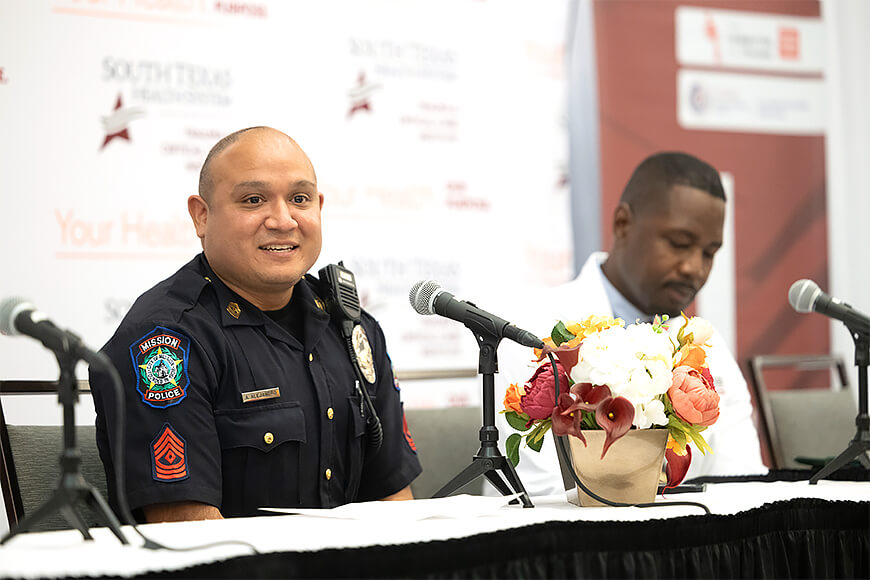
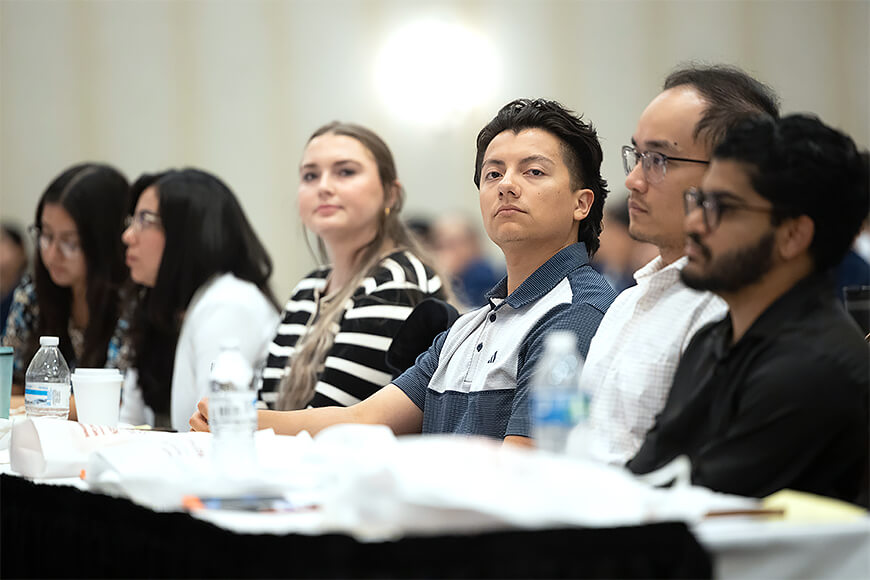
In addition to providing continuing education to individuals currently working in healthcare, emergency medical services and law enforcement, the symposium welcomed students from across the region who had the chance to get better insight into trauma, critical care and emergency general surgery from leaders in the field.
“It’s really important that we have a better understanding of the trauma and critical care provided to patients in our community before we even begin our careers, so that way we can help people the best that we can right away,” says Marissa Medrano, a second-year physician assistant student at UTRGV. “I feel very inspired, and I want to go out and learn more. My classmates and I are really going to take a lot from this conference.”
The inaugural South Texas Advanced Symposium on Trauma & Critical Care, which took place in August 2021, during the COVID-19 pandemic, was attended by 75 community members. Over the years, attendance has grown, with more than 200 guests, speakers and students taking part in this year’s event.
“It has been rewarding to see the conference grow over the years,” says Dr. Palacio. “With the feedback we get from participants, we’ve been able to improve the event and enhance the learning experience for participants.
In all, more than 500 healthcare workers, first responders and members of law enforcement have participated in the symposium in the last four year. In the future, Dr. Palacio hopes annual attendance will grow to 300 guests and include additional speakers to reach a wider audience of medical professionals eager to better treat patients experiencing a traumatic event in the Rio Grande Valley.