
Mega Doctor News

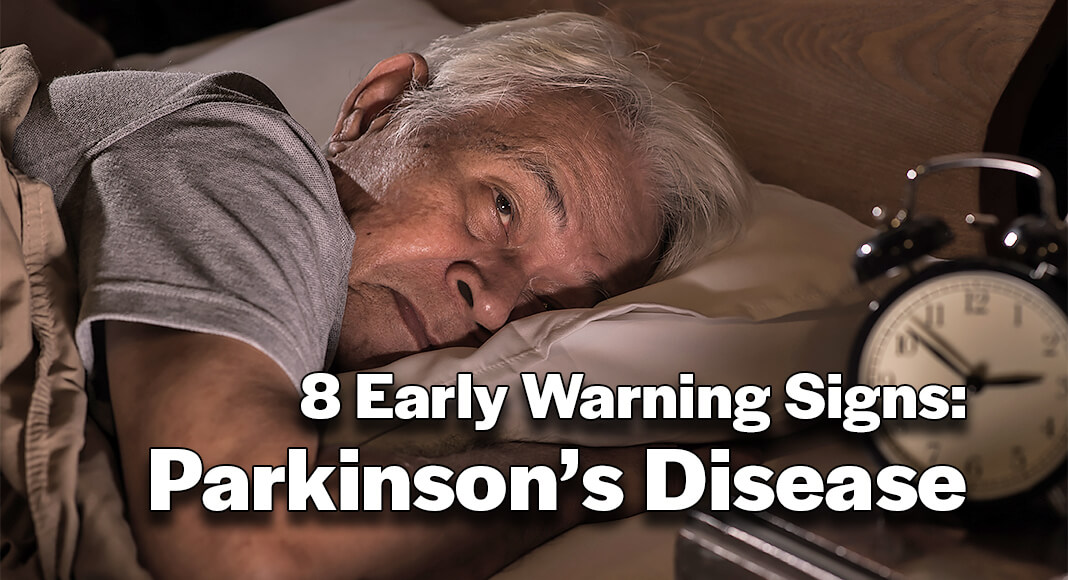
CEDARS-SINAI – AARP recently interviewed Michele Tagliati, MD, vice chair of the Department of Neurology and director of the Movement Disorders Program at Cedars-Sinai, about signs of early-stage Parkinson’s disease, a neurological disease that worsens over time.
Tagliati, the Caron and Steven D. Broidy Chair in Movement Disorders, told AARP that early and often subtle signals of Parkinson’s disease, such as increased anxiety or depression, muscle stiffness and constipation, can be mistaken for symptoms related to normal aging, thyroid issues or other causes.
“The early signs are normally not problems that bring anybody to the doctor,” he said.
Tagliati told AARP that sleepwalking, talking during sleep or acting out dreams also can be early indicators.
“We’re supposed to be completely still and paralyzed,” while sleeping, he said, but with Parkinson’s disease, the “mechanism in the brain that oversees this phase of sleep is somewhat defective.”
Tagliati told AARP that resting tremors—involuntary trembling of the hand, foot or leg when not in use—are often the first visual signs of Parkinson’s disease.
“Normally, when you use the hand, the tremor goes away,” Tagliati said. “Many people put [their] hand in [a] pocket, and nothing really happens.” Even so, research indicates that 25% of people with Parkinson’s disease may never develop a tremor.
Other early signs of Parkinson’s disease can include loss of smell, gait problems, a softening voice and an inability to make facial expressions as a result of stiffening facial muscles. Experts recommend that people experiencing these conditions—especially if they have a combination of symptoms—see their physician.
Click here to read the complete article from AARP.
Information Source: Cedars-Sinai