
Tips for Stocking your Medicine Cabinet

Translate to Spanish or other 102 languages!

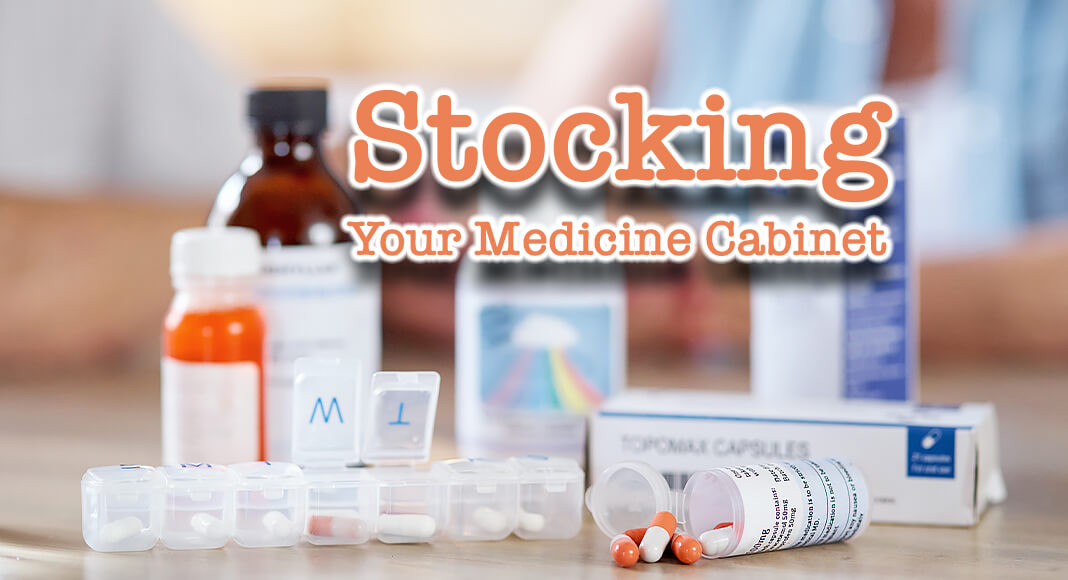
Check your medicine cabinet every six months to toss and replace expired items. Image for illustration purposes
- Advertisement -

CLEVELAND CLINIC – We keep all sorts of things in our medicine cabinets – but what’s really essential to have on hand?

Neha Vyas, MD, family medicine physician for Cleveland Clinic, said adhesive bandages are a must, but if they’re always falling off, you may want to try the liquid kind.

“They actually make liquid bandages, which are really good for those cuts that are somewhat annoying and don’t seem to hold very well with the adhesive bandages,” said Dr. Vyas. “They seem to hold up under water much better than the adhesive bandages.”

- Advertisement -

It’s also a good idea to have some type of pain reliever in your medicine chest.

And if you’re prone to achy muscles, pain relieving patches may be useful.

Antacids can come in handy for the occasional bout with heart burn, upset stomach or diarrhea.

For itchy insect bites, hydrocortisone cream may provide relief.

- Advertisement -

Speaking of itch, people who suffer from allergies will want to stock up on some antihistamines.

“Those are great to have around if you have the seasonal allergies, or right as you’re starting to develop a respiratory infection and you have that runny nose or the sneezing, or the itchy, watery eyes,” Dr. Vyas explained.

She recommends checking your medicine cabinet every six months to toss and replace expired items.


- Advertisement -
- Advertisement -

- Advertisement -

More Articles

How exercise boosts longevity, prolongs the health span

Mega Doctor News Medical News Today It may be common knowledge that maintaining...

American Cancer Society Updates Colorectal Cancer Screening Guideline

The American Cancer Society (ACS) released updated guidelines for colorectal cancer screening. The new recommendations reaffirm that average-risk adults should begin colorectal cancer screening at age 45 and continue through age 75 for those with a life expectancy greater than 10 years.

How to Support Kids Experiencing Anxiety as the School Year Ends

Summer break is just around the corner, and if you’re feeling anxious about having your kids home all day, you’re not alone.

How to Prioritize Your Eye Health This Healthy Vision Month

Healthy Vision Month in May is a great time for Texans to focus on protecting their vision health and preventing eye disease.
- Advertisement -