







Mega Doctor News

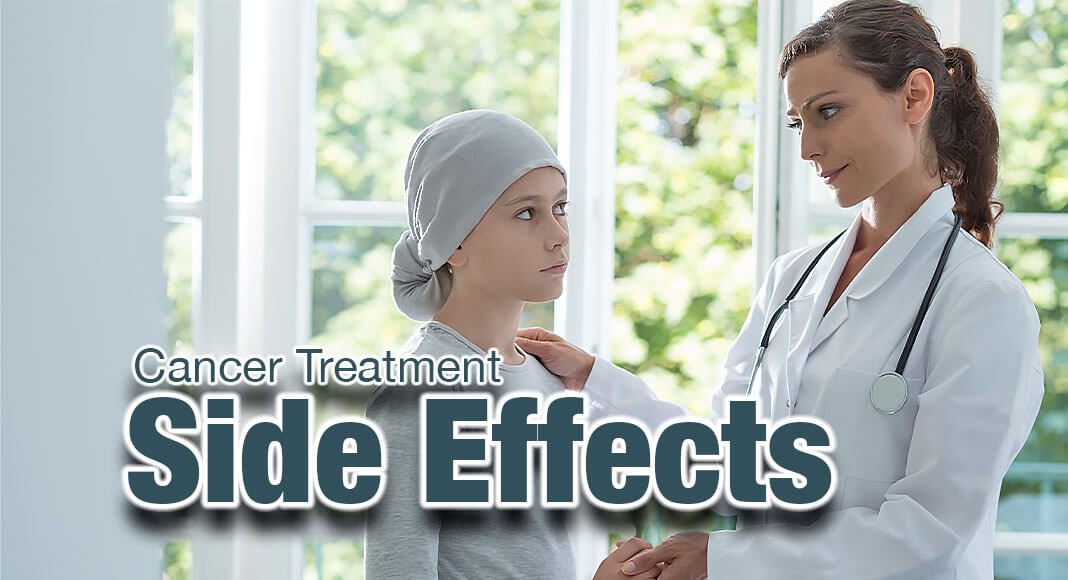
Cancer treatments may have many side effects. A side effectoccurs when treatment damages healthy cells. Side effects can be different for each person, and for different medicines and kinds of treatment.
If you think you’re experiencing any side effects, talk to your medical team. They may be able to help you manage them in a variety of ways.
Neutropenia
Neutropenia is a decrease in the number of white blood cells, which are the body’s main defense against infection. Neutropenia is common after receiving chemotherapy. You will be checked for a low white blood cell count during treatment.

Chemotherapy drugs work by killing fast-growing cells in the body—cancer cells and healthy white blood cells. During chemotherapy, you may have fewer than normal white blood cells to fight germs, so you’re more likely to get an infection.
Washing your hands often will lower your chance of getting an infection during chemotherapy. Talk with your doctor about other ways to lower your risk of getting an infection. You should call your doctor right away if you notice any signs of an infection, especially a fever.
Lymphedema
If you have lymph nodes removed during surgery, or if radiation treatment damages a lymph node or vessel, the lymph fluid may not be able to drain properly. The fluid may build up under your skin and cause part of your body to swell. This condition is called lymphedema. Learn more about lymphedema.
Hair Loss
Some kinds of chemotherapy can make your hair fall out. This condition is called alopecia.Hair usually grows back two to three months after treatment ends.
A cooling cap may help you keep more of your hair. A cooling cap fits tightly on your head and keeps your scalp cold before, during, and after your chemotherapy treatment. Studies have found that how well a cooling cap works depends on the kind of chemotherapy you receive. Talk to your doctor about a cooling cap before you start chemotherapy.
Some people choose to shave their head before their hair starts to fall out, or to wear a wig, hat, or scarf during chemotherapy treatment. The American Cancer Society offers tips on coping with hair loss.
Nausea and Vomiting
Cancer treatments can make you feel sick to your stomach, and to vomit. Sometimes, cancer patients feel sick just from thinking about cancer treatment.
Fortunately, medicines can help control nausea and make you feel better. Tell your doctor when you feel sick, so he or she can find the medicine that works best for you.
Nausea can be managed in other ways as well. Drinks like water or ginger ale may help. Some people use relaxation techniques, hypnosis, or acupuncture. To learn about any of these options, talk to your doctor about whether it may be right for you. The American Cancer Society has more information.
Problems with Thinking and Remembering Things
The drugs used to treat cancer can cause some people to have trouble concentrating or remembering things. This is often called “chemo brain,” and it can make it hard for cancer patients to do their jobs or everyday tasks.
Tips for coping with this problem include getting plenty of sleep, making notes of your daily plans and setting reminders on your smart phone, and focusing on one task instead of trying to do several things at the same time.
Cancer Pain
Cancer itself and treatments for it may cause pain. Pain can make it harder to do your normal activities, and lower your quality of life.
Pain control is an important part of your cancer treatment plan. Talk to your doctor if you have pain. Your doctor will figure out what is causing the pain and the best way to control it. For more information, visit Pain in People with Cancer.
Blood Clots (Deep Vein Thrombosis)
Deep vein thrombosis (DVT) is when a blood clot forms in a deep vein. These clots usually form in the lower leg, thigh, or pelvis, but they can also occur in the arm. Sometimes the DVT will break off and go to the lungs.
Cancer patients, especially cancer patients who are receiving chemotherapy, have a much higher risk of DVT than other people. Learn about the symptoms of DVT and how to lower your risk.
Other Side Effects
Cancer treatments can cause many other side effects, including tiredness, trouble eating, and depression. The National Cancer Institute and the American Cancer Society describe many of these problems and offer tips for preventing or coping with them.
Information Source: CDC


