







Mega Doctor News

The Texas Department of State Health Services is urging vigilance after the state’s fourth case of a child dying in a parked car, all within a two-week period. The deaths in those two weeks have surpassed the three total hot car deaths recorded in all of 2024.
According to the Texas Heatstroke Taskforce, there have been 15 hot car deaths in the United States this year as of July 9.
“The heatstroke death of a child is a tragedy too often repeated in our state,” said DSHS Commissioner Jennifer A. Shuford, MD, MPH. “The temperature inside a vehicle can rise nearly 20 degrees in 10 minutes, and heatstroke will occur when a child’s body can’t cool itself quickly enough. Children – and pets – should never be left in the car for any length of time.”

Suffering heatstroke in a parked car is the second-leading cause of vehicle-related deaths in children under 15, following only car crashes. The causes for these deaths vary. Sometimes a caregiver forgets a child is in the car. A child may get into a vehicle without anyone knowing and be unable to get out. Or sometimes a caregiver may knowingly leave the child in the car, not expecting the vehicle to heat up to dangerous levels. Cracking a window DOES NOT protect your child or pet.
DSHS recommends these prevention and awareness tips to keep kids safe this summer:
- Never leave a child alone in a car, even if the car and air conditioner is running.
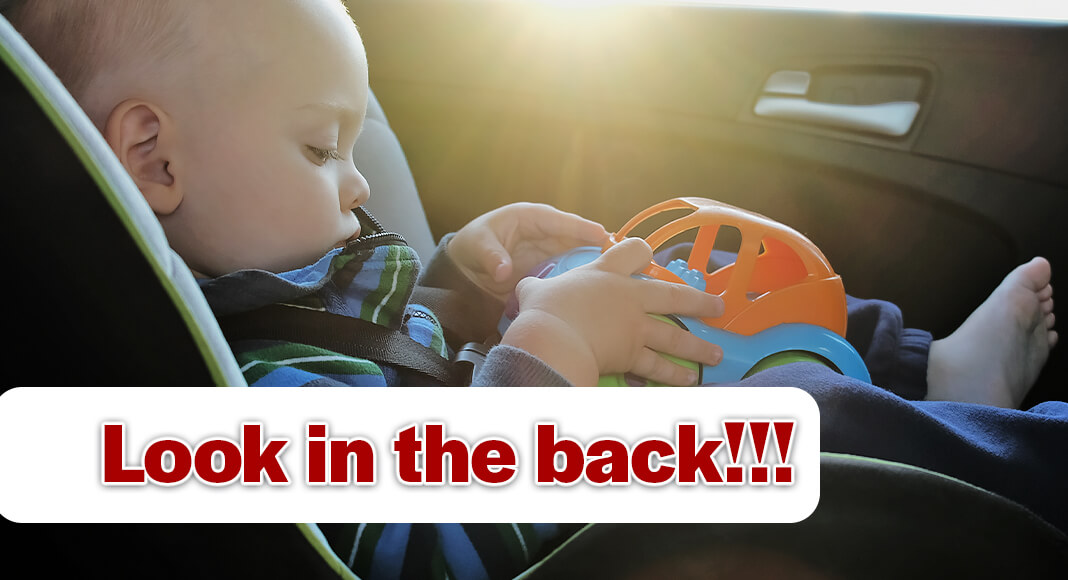
- Make sure to check the back seat before you get out of the car and Look Before You Lock.
- Don’t assume it can’t happen to you or your child. A change in routine or schedule can cause a caregiver to forget that a child is still in the car.
- Use reminders to check the back seat when you reach your destination. Place something you will need in the back seat when traveling with a child.
- Keep cars locked at all times and keep car keys away from children. If a child is missing, check pools and water sources first, then vehicles, including trunks.
- Call 9-1-1 immediately if you see a child alone who is in or around a car.
Information Source: Texas Department of State Health Services


