








Texas Border Business
- Advertisement -
Tips To Keep Your Eyes Healthy
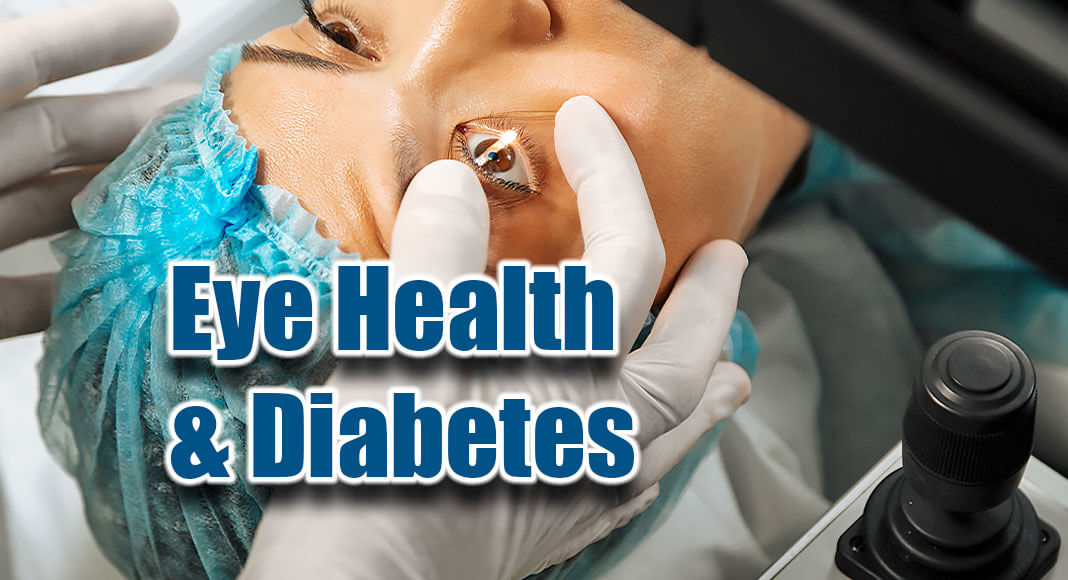
Get a dilated eye exam at least once a year and share the results with your primary care doctor.
- In this exam, you will get eye drops to make your pupils larger. Pupils are the black circles in the middle of your eyes. The drops are painless and help your eye doctor see inside your eyes to look for signs of health problems.
- A dilated eye exam can help your eye doctor find and treat problems to keep you from losing your vision from diabetes.
- Your eye doctor may take pictures of your eyes with a tool called retinal photography. This tool helps the doctor see your retina, which is at the back part of your eyes.
- Be sure to make and keep your next eye doctor appointment!
Visit your eye doctor right away if you:
- Advertisement -
- See little black lines or spots that don’t go away.
- See any red spots or a red fog.
- Have a sudden change in how clearly you see.
- Take longer than usual to adjust to darkness.
Talk with all of your health care providers about ways to manage your diabetes.
- Ask your health care team to help you set and reach goals to manage your blood sugar, blood pressure, and cholesterol.
- Get regular A1C tests to measure your blood sugar over time because poor blood sugar can make eye problems happen faster.
- Ask about safe ways to be more active each day and foods that are healthy to eat.
How Can Diabetes Harm Your Eyes?
- Diabetes is the main cause of blindness in adults aged 20 to 74. It is also a major cause of blindness for those aged 75 or older.
- Serious eye problems happen more often among people with diabetes.
- Regular exams help your doctor find and treat eye problems early to protect your vision.
Make an appointment with an ophthalmologist or an optometrist. Both of these eye doctors can give you a dilated eye exam and check your eyes.
Common Eye Diseases Among People With Diabetes
- Retinopathy causes small blood vessels in the retina (at the back of the eye) to get weak and possibly leak blood. This disease can cause blindness if not treated. This disease has no symptoms when it starts, so it’s important to get your eyes checked regularly.
- Cataracts cause a “clouding” of the lens of the eye, which makes vision blurry. People with diabetes are more likely to get cataracts.
- Glaucoma causes pressure in the eye. If not treated, glaucoma can cause vision loss or blindness.
- Advertisement -


