Orthopedic Surgeons Share Alternatives to Traditional Cast Treatment in Pediatric Patients
Mega Doctor News

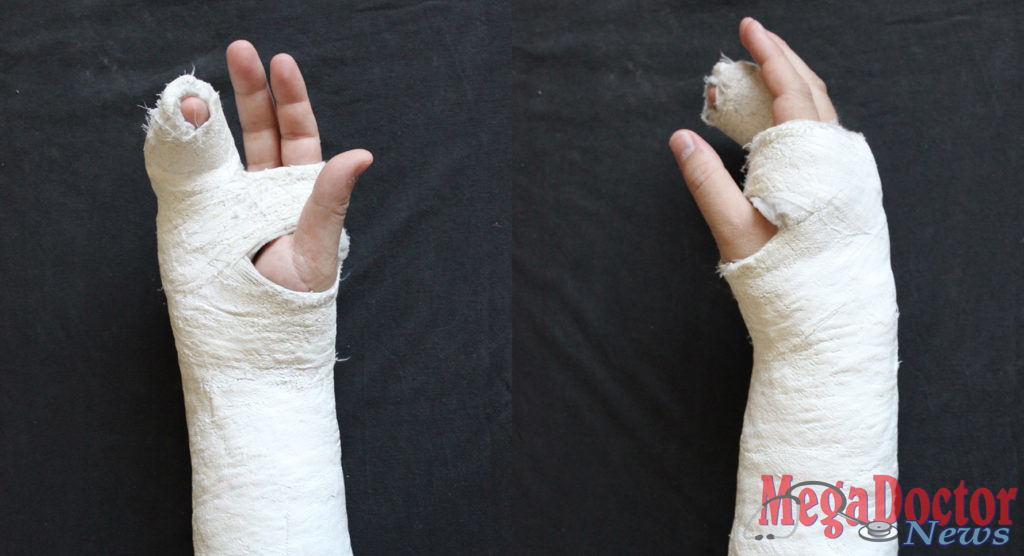
NEWSWISE – Rosemont, Ill. — As a parent, you want to protect your child from getting hurt; however, avoiding bumps, bruises, and broken bones isn’t always possible. And while traditional fiberglass or plaster casts are an effective, time-honored treatment technique for postoperative immobilization or the treatment of fractures, a new review article published in the January issue of the Journal of the American Academy of Orthopedic Surgeons (JAAOS) sheds light on their complications and reveals evidence behind alternative immobilization methods such as braces or splints. Lead authors encourage physicians and patients to review the options available, taking into consideration not only treatment of the fracture, but also family and patient comfort and compliance.
“Pediatric patients may be eager to get a cast, choosing a color that fits their personality,” said Eric Shirley, MD, FAAOS, lead author and pediatric orthopedic surgeon with the Naval Medical Center Portsmouth. “However, the thrill soon wears off when they learn that they will be unable to play, swim or engage in high-impact activities while wearing a cast. What’s more, complications like itching, blisters or dermatitis associated with cast management can lead to added frustration.”
According to the article, complications and problems associated with cast management go beyond the clinical issues. Casts can present obstacles for children attending school, and families may be troubled with follow-up visits for cast removal. For every 100 pediatric fracture clinic appointments, 54 school days and 25 workdays are missed. Complications with casts can also result in visits to the emergency department, placing a burden of time and cost on both the family and the healthcare system.

“Pediatric patients are often seen in the emergency department with issues related to wet or damaged casts,” added Dr. Shirley. “These complications can nearly always be addressed during normal clinic hours; however, we find that families do not want to wait or feel anxious when caring for a cast.”
Depending on the injury, shifting from traditional casts to nonrigid options like braces, soft casts or splints could help address patient anxiety and reduce cast complications. These immobilization alternatives are acceptable and effective for some pediatric fractures to the forearm, shinbone, foot or ankle. While the review article found these to be used not as often as they could be in pediatric patients, their potential to reduce follow-up visits and minimize care costs and time off school or work is worth considering.
Dr. Shirley explains that it’s important for families to talk with their orthopedic surgeon about treatment options, addressing any concerns about their child’s ability to keep a nonrigid option on or to stay out of trouble with a traditional cast. Families should consider these frequently asked questions when addressing fracture treatment and recovery with their practitioner:
- What cast immobilization options are available and what are the differences between each?
- Do all broken bones need casts?
- Can my child’s cast get wet?
- What if my child has an itch or irritation under the cast liner or padding?
- Can we remove the splint or brace as needed?
- Is it ok to allow people to write or draw on my child’s plaster cast?
- Are there any activities my child should avoid during recovery?
“Wearing a cast of any kind can be awkward for a child,” advises Shirley. “The good news is that with the proper care, their bones usually heal quickly, and they’ll be back to proper muscle strength, joint motion and flexibility in no time.”